The Most Common Myths About Air Filters Debunked

Key Takeaways
- Automatic Roll Air Filters offer advanced media management for enhanced air quality.
- Facility managers must choose the right filter type based on specific operational needs.
- Common misconceptions about air filters can lead to poor decision-making and increased costs.
- Regular maintenance is crucial, but modern filters can significantly reduce maintenance frequency.
- Understanding the different types of filters can optimize performance and energy savings.
- How It Works: The roll media advance logic allows for continuous media movement, helping to maintain consistent airflow and optimal filtration efficiency. A built-in differential pressure trigger signals when to advance the media, ensuring the filter operates effectively even under varying load conditions. The timer mode can be adjusted for regular maintenance, further enhancing operational efficiency.
- Airflow Range: Evaluate the airflow capacity required for your facility. Automatic Roll Filters are available in multiple configurations.
- Face Velocity: Choose filters that can handle the desired face velocity, which directly impacts efficiency.
- Media Width/Length: Select appropriate dimensions based on your HVAC unit’s specifications.
- Frame Size: Ensure compatibility with existing filter slots in HVAC/AHU systems.
- Control Options: Look for options that allow for automatic monitoring and adjustment based on filter saturation.
- Power Supply: Depending on your system’s specifications, confirm appropriate power requirements.
- Installation Location: Whether for fresh air intake, return, or process applications, the location dictates specific design requirements.
- Myth: All air filters are the same.
- Reality: Different filters serve different purposes; selection is critical for efficiency.
- Myth: Filters don’t require maintenance.
- Reality: Regular maintenance is essential, but some filters reduce maintenance needs substantially.
- Myth: Higher MERV ratings always mean better filtration.
- Reality: The best filter for your system also depends on airflow and pressure drop considerations.
- Myth: Filters do not affect energy consumption.
- Reality: Inefficient filters can significantly increase energy costs due to higher pressure drops.
- Myth: Once installed, filters don’t need to be monitored.
- Reality: Monitoring filter performance is crucial to ensure optimal operation.
- Neglecting air quality assessments: Regular evaluations can guide filter selection.
- Overlooking efficiency ratings: Always review the MERV or ISO standards for your specific applications.
- Timing filter replacements incorrectly: Implement a monitoring schedule based on pressure drop signals, not just time intervals.
- Choosing the cheapest options: Quality matters for efficiency; select filters that meet your operational requirements.
- Ignoring manufacturer guidelines: Always adhere to recommendations for installation and maintenance.
- Using the wrong filter type: Match the filter type to the specific environment and contaminants.
- Failing to train staff: Ensure that facility managers and HVAC personnel understand filtration systems well.
-
Data Center:
- An IT company requiring ultra-clean air for server rooms switched to CloverFilter’s Automatic Roll Air Filters. The outcome was reduced downtime and significant energy savings.
-
Battery Factory:
- A lithium battery manufacturer opted for these filters to manage high particulate levels, ultimately improving product yield while cutting down maintenance costs.
-
Paint Shop:
- Transitioning to Automatic Roll Air Filters allowed a paint manufacturing facility to enhance VOC control and reduce overspray, with noticeable improvements in air quality.
-
Textile/Steel/Cement:
- Implementing CloverFilter’s solutions helped a steel plant manage particulate control efficiently, maintaining compliance with industry regulations while optimizing energy use.

Introduction to Air Filters
When it comes to maintaining air quality in industrial environments, air filters play a vital role. However, numerous myths persist about air filtration systems, such as their efficiency, maintenance requirements, and appropriate use cases. This air filter blog aims to dismantle these myths and provide clarity, focusing on the Automatic Roll Air Filter and why it’s gaining traction among procurement managers and HVAC engineers.
What is an Automatic Roll Air Filter?
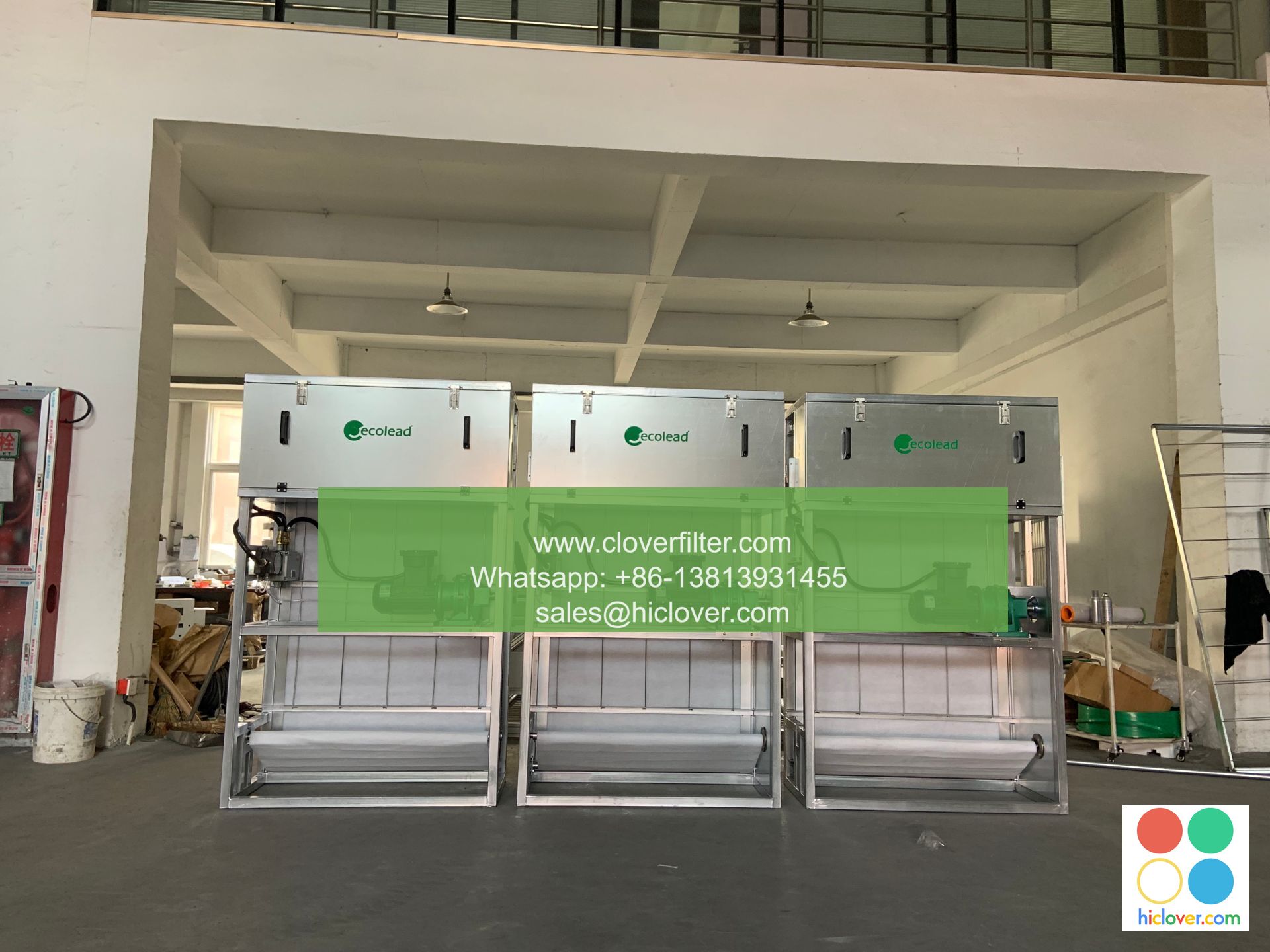
An Automatic Roll Air Filter is a sophisticated air filtration solution designed for high-demand industrial environments.
Where Do Automatic Roll Filters Fit in HVAC Systems?
Automatic Roll Air Filters are ideal for various HVAC applications, fitting seamlessly into units for fresh air intake, return air, or direct process scenarios. Their design allows them to capture airborne particulates while minimizing pressure drops, thus optimizing energy consumption.
Selection Guide for Automatic Roll Filters
When selecting an Automatic Roll Air Filter, consider the following factors:
Comparison of Air Filters
Here’s a comparison table highlighting key differences:
| Filter Type | Best Use Case | Maintenance | Pressure Drop Behavior | Operating Cost | Typical Risk/Downside |
|---|---|---|---|---|---|
| Automatic Roll Air Filter | High-particulate demand | Low | Low | Moderate | Limited initial setup cost |
| Bag Filter | General air filtration | Moderate | Moderate | Low to Moderate | Higher frequency of maintenance |
| Panel Filter | Basic air filtering | High | High | Low | More frequent replacements required |
| V-bank Filter | Space-constrained areas | Moderate | Moderate to high | Moderate | Less effective at very low costs |
Common Myths About Air Filters
Common Mistakes & How to Avoid Them
Real-World Scenarios
FAQ Section
Q1: What makes the Automatic Roll Air Filter different from traditional filters?
A1: Its advanced roll media system enables continuous use with consistent performance, minimizing pressure drops.
Q2: Can I integrate these filters into existing HVAC systems?
A2: Yes, they can be adapted to fit most HVAC applications, including fresh air intake and return systems.
Q3: What is the expected lifespan of these filters?
A3: Lifespan varies based on application but generally benefits from reduced frequency in replacement due to efficient media usage.
Q4: Are there specific standards I need to be aware of?
A4: Familiarize yourself with ISO 16890 and MERV concepts; we can provide specific filter certification details on request.
Q5: How do these filters contribute to energy savings?
A5: They maintain lower pressure drops and reduce airflow resistance, translating to lower energy expenses.
Q6: Is maintenance complicated?
A6: No, installation and maintenance are straightforward, and we provide guidance for optimal performance.
Conclusion
Dismantling the most common myths surrounding air filters is imperative for procurement managers and facility engineers seeking to optimize their air quality and operational efficiency. Automatic Roll Air Filters from CloverFilter are a smart choice for modern industrial applications, combining efficiency with reduced maintenance requirements. For more insight, you can visit CloverFilter’s website or connect with experts directly via this link.
Meta Description: Discover the truth behind air filters in our latest air filter blog. Learn about Automatic Roll Air Filters and debunk common myths in air filtration.
Of course! What kind of prompt are you looking for? It could be for creative writing, brainstorming ideas, generating questions, or something else. Just let me know!
