Comparing HEPA vs. Non-HEPA Air Filters: Which Is Best?
Key Takeaways:
- HEPA filters provide superior particulate control compared to non-HEPA options.
- Automatic Roll Air Filters offer efficient maintenance and energy-saving solutions within HVAC systems.
- Media width and frame dimensions are critical in choosing the right air filter.
- Understanding the airflow range and face velocity is essential for optimal performance.
- Regular inspection of differential pressure can prevent costly operational issues.
- Compliance with ISO standards enhances air quality assurance.
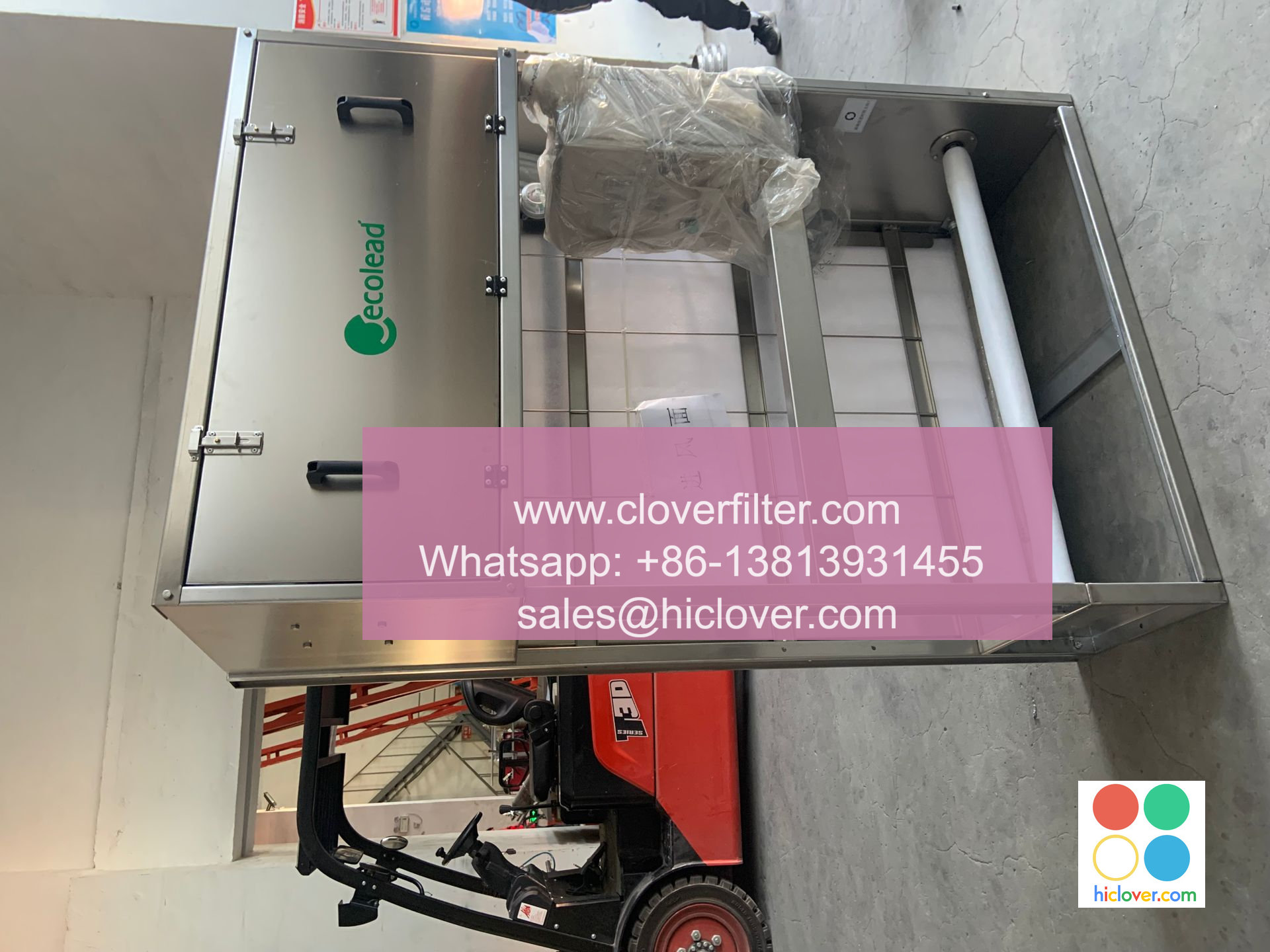
- Roll Media Mechanism: It utilizes a roll media advance logic that continuously supplies fresh filter material, ensuring that a consistently clean air supply is maintained.
- Differential Pressure Trigger: This feature alerts managers when filter replacement is necessary, reducing the chance of airflow obstruction and ensuring optimal performance.
- Timer Modes: These filters can operate on set schedules, adding convenience and reducing maintenance costs.
- Airflow Range: Determine the necessary airflow rate for your specific application.
- Face Velocity: Establish the appropriate face velocity for the type of filter being implemented.
- Media Width/Length: Understand the sizes available for fitting into your existing ventilation systems.
- Frame Size: Match the filter’s frame dimensions to your existing installations.
- Control Options: Assess if you require additional controls for timing and monitoring.
- Power Supply: Ensure compatibility with your current electrical systems.
- Installation Location: Identify whether the filter will be used at fresh air intake, return systems, or within processes.
- Failing to regularly check differential pressure, leading to inefficiencies.
- Ignoring compatibility with existing HVAC systems.
- Overestimating the longevity of less efficient filters.
- Neglecting the need for scheduled maintenance.
- Choosing filters based solely on cost without considering performance.
- Misjudging the required airflow rates for the facility.
- Using filters designed for one application in another, which can lead to failures.
-
Data Center: Using the Automatic Roll Air Filter preserved cooling efficiency while ensuring highly clean air, reducing the risk of overheating in sensitive hardware.
-
Battery Factory: Implementing HEPA filters mitigated contamination risks associated with battery production, which is crucial in maintaining product integrity and safety.
-
Paint Shop: Employing non-HEPA panel filters facilitated airflow and kept operating costs low, while still meeting the necessary air quality regulations.
-
Textile and Steel/Cement Plants: Here, robust bag filters offered effective filtration of larger particles, essential for maintaining a clean atmosphere while balancing operational pressures.

Understanding Air Filter Videos and Their Importance
In the industrial world, air filtration is critical for maintaining a safe and efficient working environment. For procurement managers and facility engineers, the debate often comes down to HEPA vs. non-HEPA air filters. Air filter videos can provide visual insight into how these systems operate and highlight the effectiveness of various products, including the Automatic Roll Air Filter. This innovative solution from CloverFilter optimizes air filtration for factories, cleanrooms, data centers, and more.

HEPA Filters Explained
HEPA (High-Efficiency Particulate Air) filters are designed to trap at least 99.97% of particles as small as 0.3 microns. This makes them ideal for environments requiring high levels of cleanliness, such as hospitals and cleanrooms. HEPA filters are graded based on their ability to remove smaller particles, falling under standards like MERV (Minimum Efficiency Reporting Value) and ISO 16890.
Non-HEPA Filters and Their Applications
While non-HEPA filters may not offer the same level of efficiency in particulate control, they are often more economical and easier to maintain. Non-HEPA options include panel filters, bag filters, and V-banks. Each of these filters serves specific applications where lower filtration efficiency and higher airflow are acceptable.
The Advantages of the Automatic Roll Air Filter
The Automatic Roll Air Filter from CloverFilter stands out for several reasons:
This product fits seamlessly into HVAC and AHU systems, providing a reliable solution for maintaining high air quality standards across various settings.
Selecting the Right Air Filter: A Practical Guide
When selecting an air filter, consider the following criteria:
Air Filter Comparison: Evaluating Options
| Filter Type | Best Use Case | Maintenance | Pressure Drop Behavior | Operating Cost | Typical Risk/Downside |
|---|---|---|---|---|---|
| Automatic Roll Air Filter | High-efficiency needs | Low | Stable, low | Low | Initial cost may be higher |
| Bag Filter | Large dust volumes | Moderate | Moderate | Moderate | Risk of clogging over time |
| Panel Filter | General applications | High | Higher | Low | Frequent changes required |
| V-bank Filter | Industrial environments | Moderate | Variable | Moderate | Can be bulky and heavy |
Common Mistakes & How to Avoid Them
Real-World Scenarios
FAQ
Q1: What is the difference between HEPA and non-HEPA filters?
A1: HEPA filters capture 99.97% of particles down to 0.3 microns, while non-HEPA filters are less efficient, suitable for less critical applications.
Q2: How does the Automatic Roll Air Filter work?
A2: It features a roll media that automatically advances to provide continuous fresh filtering material, reducing maintenance intervals.
Q3: Where should filters be installed?
A3: Filters can be used at fresh air intake points, return ducts, or within processes, depending on the airflow requirements.
Q4: What are key indicators for filter replacement?
A4: Differential pressure measurements and noticeable drops in airflow are critical indicators.
Q5: How can I assess energy savings with filtration systems?
A5: Regular monitoring of airflow and pressure drop can indicate how effectively filters are operating, which translates to energy efficiency.
Q6: Are there industry standards for these filters?
A6: Yes, many filters meet general industry frameworks such as MERV and ISO 16890 standards, though specific certifications should be verified on request.
Conclusion
Choosing the right air filter is essential for maintaining optimal air quality and energy efficiency across various industrial settings. The Automatic Roll Air Filter from CloverFilter offers practical benefits that can address a wide range of needs. Understanding the differences between HEPA and non-HEPA filters can lead to smarter procurement decisions that enhance operational effectiveness.
Meta Description: Compare HEPA and non-HEPA air filters, discover how CloverFilter’s Automatic Roll Air Filter can enhance air quality in industrial settings.
For more information about optimizing air filtration systems, contact CloverFilter at CloverFilter Contact.
It looks like you entered “Prompt,” but I need a bit more detail to assist you. Could you clarify what you’re looking for? Are you seeking a writing prompt, a question to discuss, or something else?
