Innovative Designs in HEPA Filters: Meeting the New Standards
Key Takeaways
- Advanced air filter design enhances filtration efficiency and energy savings.
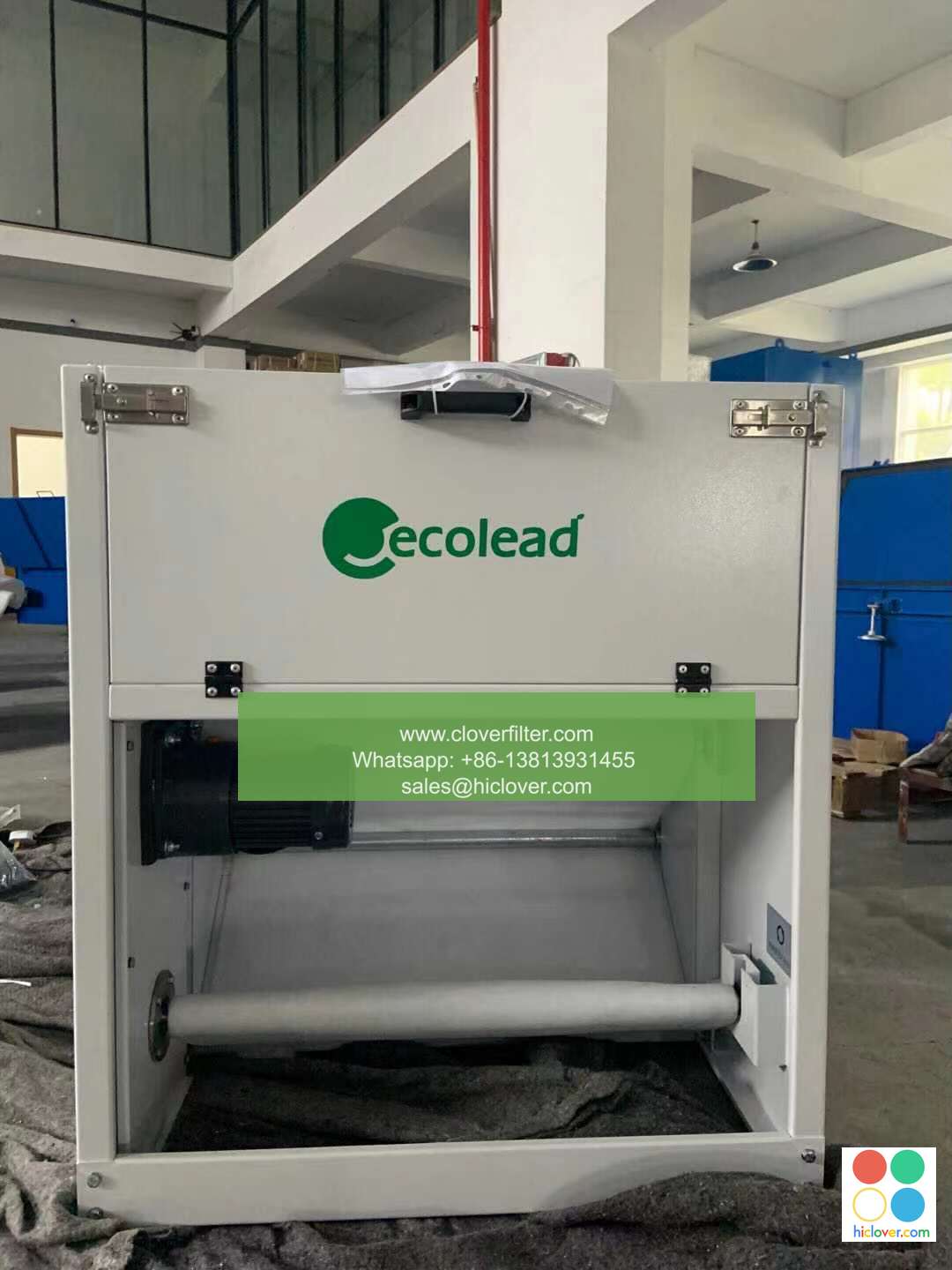
- Automatic Roll Air Filter offers automatic media advancement, reducing maintenance.
- Ideal for various applications: cleanrooms, data centers, and manufacturing.
- Helps ensure compliance with industry standards like ISO 16890 and MERV.
- Emphasizes performance through differential pressure triggers for timely media changes.
- Airflow Range: Ensure the filter can cope with the expected cubic feet per minute (CFM).
- Face Velocity: Consider recommended face velocities typically between 300–500 ft/min for optimal performance.
- Media Width/Length: Choose the media dimensions based on the specific HVAC system configuration.
- Frame Size: Confirm frame size compatibility with existing filter racks.
- Control Options: Assess if automated control systems can be integrated for operational efficiency.
- Power Supply: Ensure that the filter operates on compatible AC/DC systems for smooth functionality.
- Installation Location: Identify whether the filter will be installed in fresh air intake, return air systems, or specific process applications.
- Overlooking Airflow Requirements: Always match the filter’s airflow capabilities with system demands.
- Ignoring Maintenance Schedules: Keep a consistent monitoring and replacement timeline for filters.
- Inadequate Space Planning: Ensure sufficient space for automatic media advancement mechanisms.
- Failing to Check Compatibility: Confirm that the filter design fits within your existing HVAC framework.
- Neglecting to Monitor Differential Pressure: Regularly check pressure readings to prevent system strain.
- Underestimating Contaminant Types: Choose filters designed to capture specific particles in the environment.
- Over-Reliance on Filter Certifications: Understand certification standards but consider a filter’s real-world performance.
- Skipping Installation Training: Ensure installation personnel are well-versed in proper setup procedures.
- Not Considering Energy Costs: The initial investment should include potential energy savings in the long run.
- Disregarding the Quality of Filter Media: Opt for high-quality media to ensure long-term performance.
-
Data Center: In a prominent data center, the installation of the Automatic Roll Air Filter improved cooling efficiency by 20%. This reduction in energy usage translated to significant cost savings while maintaining optimal humidity and temperature levels for sensitive equipment.
-
Battery Factory: In a lithium battery plant, the filter’s advanced air filter design significantly decreased the risk of contamination, leading to higher battery quality and fewer production delays.
-
Paint Shop: For a large-scale paint booth, the Automatic Roll Air Filter helped in capturing volatile organic compounds (VOCs), ensuring compliance with local environmental regulations and improving worker safety.
-
Textile/Steel/Cement Plant: In these heavily polluted environments, the filter not only controlled particulate matter but also extended the lifespan of ventilation systems, leading to lower maintenance costs.

Understanding the Automatic Roll Air Filter
In today’s industrial landscape, the need for efficient air filtration is paramount. The Automatic Roll Air Filter is an innovative solution that represents cutting-edge air filter design. This device utilizes a roll media that advances automatically according to the airflow conditions and pressure readings. When the pressure differential exceeds preset thresholds, the system activates the roll mechanism, allowing fresh filter media to replace the dirty segment of the filter. This design minimizes downtime and ensures consistent air quality by maintaining effective particulate control.
Operation and Benefits

The Automatic Roll Air Filter effectively integrates into HVAC systems by serving as a prefilter for AHUs (Air Handling Units). By employing a differential pressure trigger, it can utilize timer modes to predict when to change the media based on real-time data, promoting energy efficiency and reduced maintenance costs. This approach not only streamlines operations but also significantly improves indoor air quality.
Practical Selection Guide for Air Filter Design
When selecting an air filter for industrial applications, it’s crucial to consider various parameters. Here’s a comprehensive guide to help procurement managers and facility engineers make informed decisions:
Comparison Table: Automatic Roll Air Filter vs. Other Filter Types
| Filter Type | Best Use Case | Maintenance | Pressure Drop Behavior | Operating Cost | Typical Risk/Downside |
|---|---|---|---|---|---|
| Automatic Roll Air Filter | High-traffic industrial locations | Minimal; self-advancing | Low due to efficient design | Moderate (saves on media) | Initial cost may be higher |
| Bag Filter | General-purpose applications | Moderate | Moderate | Low to Moderate | Needs regular monitoring |
| Panel Filter | Light-duty environments | High | High | Low | Frequent replacements |
| V-bank | Specialized applications | Low (if well-designed) | Moderate | Moderate | Limited airflow capacity |
Common Mistakes & How to Avoid Them
Real-World Scenarios
FAQ
What is the lifespan of the Automatic Roll Air Filter?
The lifespan varies based on environmental conditions, but typically, these filters can last several months before needing media replacement.
How frequently should I check the pressure differential?
It is advisable to monitor the differential pressure at least once a month to ensure optimal performance.
Can the Automatic Roll Air Filter be used in any HVAC system?
While versatile, it’s essential to evaluate compatibility with your current HVAC design to achieve maximum efficiency.
Is installation complicated?
Installation can be straightforward, especially with the assistance of qualified technicians familiar with HVAC systems.
What environmental standards do these filters comply with?
Filters are designed with considerations for compliance frameworks like ISO 16890, but specific ratings can be requested.
Are there options for custom dimensions?
Yes, many manufacturers, including CloverFilter, can provide filters tailored to specific requirements.
Conclusion
Innovative air filter design, such as that of the Automatic Roll Air Filter, is essential for contemporary industrial air filtration systems. With superior technology, it offers enhanced performance while meeting modern filtration needs. CloverFilter is at the forefront of providing these solutions, ensuring your facility remains compliant and operates efficiently.
For more information about how CloverFilter can help improve your industrial air filtration systems, visit us at CloverFilter.
Meta Description: Discover how innovative air filter design, like the Automatic Roll Air Filter by CloverFilter, meets new HEPA standards for industrial applications.
It seems like you might be looking for a creative prompt or a specific topic to explore. Could you provide me with a bit more detail about what you’re interested in? For example, are you looking for a writing prompt, a discussion topic, or something else?
