Efficient Waste Processing in Kenya: The Case for Self-Cleaning Filters
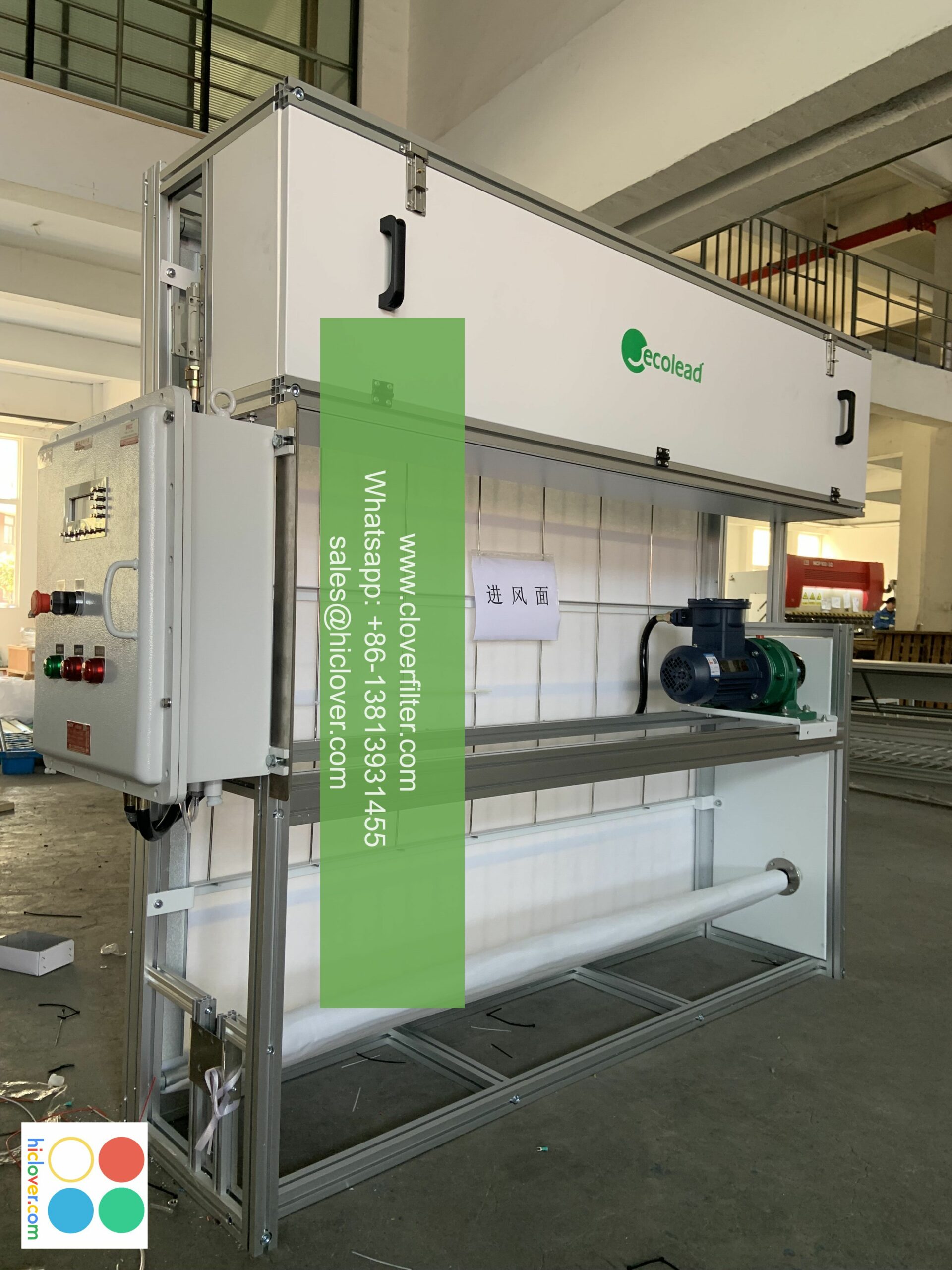
Waste management is a growing concern in Kenya, with urbanization leading to an increase in waste production. Traditional waste processing methods have struggled to keep pace, resulting in environmental degradation and health issues. New technologies, such as self-cleaning filters, are emerging as sustainable solutions to enhance waste processing efficiency.
The Waste Management Challenge in Kenya

Kenya generates millions of tons of waste annually, with much of it originating from urban centers like Nairobi. The existing waste management system is burdened by inefficiencies, limited resources, and inadequate infrastructure. This challenge calls for innovative practices to streamline waste processing and mitigate the negative impacts on the environment.
Introducing Self-Cleaning Filters
Self-cleaning filters are advanced filtration systems designed to maintain functionality without extensive manual intervention. These filters utilize automated cleaning mechanisms to remove particulates and contaminants, ensuring continuous operation. Their efficiency and low maintenance requirements make them ideal for various applications in waste processing.
Key Applications of Self-Cleaning Filters in Waste Processing
1. Industrial Waste Management
Industries in Kenya generate significant amounts of waste, and self-cleaning filters can significantly enhance the treatment of industrial effluents. By ensuring a consistent filtration process, these filters help in the removal of hazardous substances and improve the overall quality of discharged water.
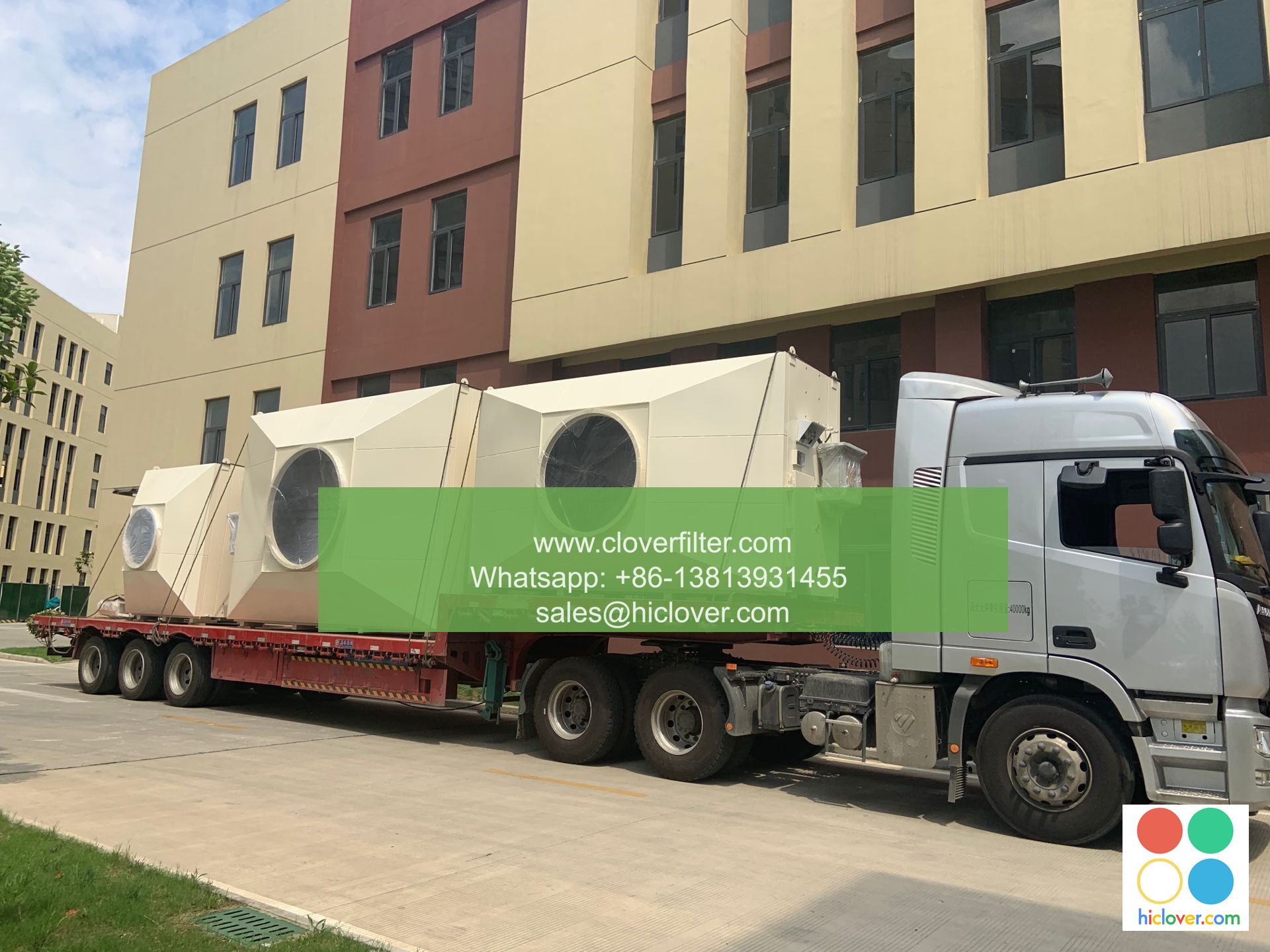
2. Composting Technologies
Self-cleaning filters can be integrated into composting systems to separate organic materials from non-biodegradable waste. This efficiency boosts the composting rate, promoting better quality compost and contributing to sustainable agricultural practices.
3. Water Waste Treatment Facilities
In Kenya, where access to clean water is crucial, self-cleaning filters in wastewater treatment facilities enhance the purification process. By maintaining optimal flow rates and reducing downtime, these filters play a vital role in ensuring safe drinking water for communities.
4. Municipal Solid Waste Processing
In municipal waste processing, self-cleaning filters can revolutionize separation technologies. They assist in sorting recyclables and contaminants from waste streams, improving recycling rates and reducing landfill reliance.
The Environmental and Economic Benefits
The implementation of self-cleaning filters in Kenya’s waste processing systems has significant environmental and economic benefits:
- Increased efficiency in waste segregation and processing.
- Reduction in maintenance costs due to less frequent manual cleaning.
- Improved air and water quality by eliminating pollutants from waste streams.
- Enhanced public health outcomes through better waste management practices.
Conclusion
The integration of self-cleaning filters in waste processing across various sectors in Kenya presents a promising solution to the growing environmental challenges. By adopting this innovative technology, Kenya can significantly enhance its waste management systems, paving the way toward a cleaner and more sustainable future. Addressing inefficiencies and promoting new technologies will be crucial in meeting urban waste challenges and protecting public health.
It seems like you might be looking for a specific writing prompt or guidance on a topic. Could you please provide more details or specify what you’re looking for? Whether it’s a creative writing prompt, an essay topic, or something else, I’m here to help!
