Exploring the Efficiency of Self-Cleaning Filters in Dairy Applications
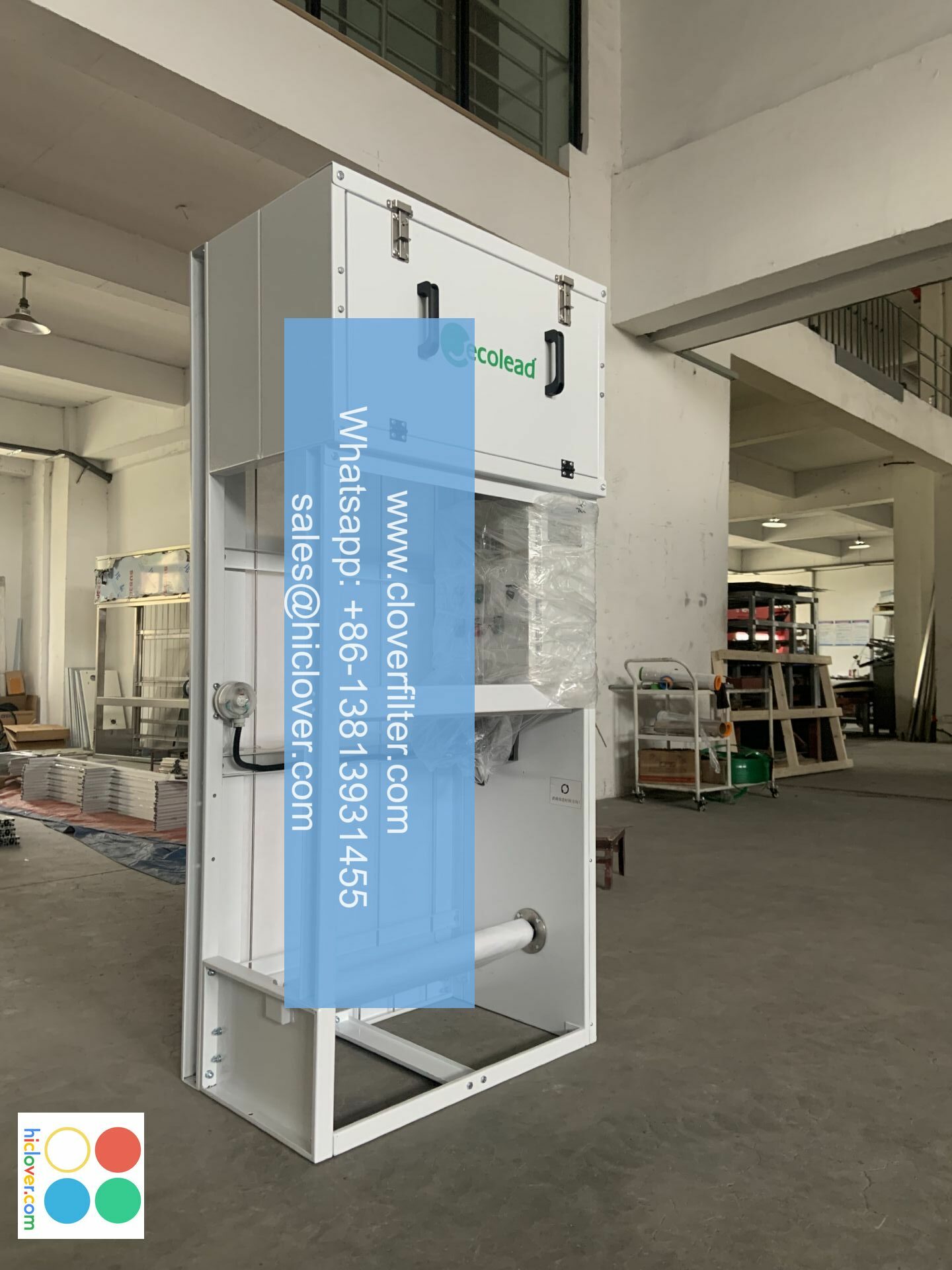
Introduction to Self-Cleaning Filters

In the dairy industry, maintaining high levels of hygiene and operational efficiency is crucial. Self-cleaning filters are emerging as a vital component in enhancing these aspects by reducing maintenance time while ensuring quality. These filters utilize innovative technology to provide a consistent filtering process, preventing contamination and preserving the integrity of dairy products.
The Mechanics Behind Self-Cleaning Filters
Self-cleaning filters operate on a straightforward yet effective principle. Unlike traditional filters that require regular manual cleaning or replacement, self-cleaning filters utilize the backwashing technique. This method allows accumulated debris to be flushed away automatically, thus maintaining optimal flow rates and preventing clogging.
Application Areas in the Dairy Industry
Self-cleaning filters play a significant role in various dairy applications. Here are some key areas:
-
Milk Processing
In milk processing, self-cleaning filters are used to separate impurities and particulates from raw milk. This ensures a higher quality product while extending the lifespan of downstream equipment.
-
Cheese Production
In cheese production, maintaining a clean process is vital. Self-cleaning filters contribute by ensuring that the ingredients are free from contamination, thereby preventing spoilage and enhancing flavor.
-
Yogurt Production
Yogurt production requires strict adherence to hygiene standards. Self-cleaning filters help manage bacterial contamination, ensuring that live cultures thrive in a safe environment.
-
Pasteurization Systems
In pasteurization, efficient filtration is essential. Self-cleaning filters facilitate constant flow and minimize downtime due to clogs, thereby optimizing the heating process for maximum safety.
Benefits of Using Self-Cleaning Filters in Dairy Applications
Implementing self-cleaning filters in dairy operations offers numerous advantages:
- Reduced Labor Costs: Automation of cleaning processes can save hours of manual labor.
- Improved Equipment Lifespan: Continuous filtration helps protect downstream equipment from wear and tear.
- Enhanced Product Quality: Consistent filtration ensures that the final dairy products are free from contaminants.
- Lower Water Consumption: Many self-cleaning filters require less water than traditional methods, promoting sustainability.
Conclusion
Self-cleaning filters are proving to be a game-changer in dairy applications, significantly enhancing operational efficiency, product quality, and sustainability. By minimizing maintenance needs while ensuring clean and safe production processes, these filters offer significant advantages over traditional filtration methods. As the dairy industry continues to evolve, integrating state-of-the-art self-cleaning technology will remain essential for staying competitive.
It seems like you might have missed including details in your message. Could you please provide more context or specify what kind of prompt you’re looking for? Whether it’s for writing, a brainstorming session, or something else, I’m here to help!
