A Complete Checklist for Air Filter Installation
Key Takeaways:
- Understand the functionality of Automatic Roll Air Filters.
- Evaluate specific airflow and media options for your system.
- Learn about common mistakes and how to avoid them during installation.
- Explore real-world scenarios that highlight various applications.
- Familiarize yourself with maintenance considerations for long-term efficiency.
- Consider compliance standards relevant to air filtration systems.
- Roll Media Advance Logic: Automatic Roll filters advance the media automatically when a differential pressure trigger signals that particulate build-up has reached a pre-set threshold.
- Timer Mode: Users can also set a timer for media advancement, allowing for scheduled maintenance and preemptive particulate control.
- Integration with Fresh Air Intake: Correct installation within the fresh air intake area maximizes efficiency and ensures that air entering the facility is clean and compliant with industry standards.
- Airflow Range: Assess the required cubic feet per minute (CFM) for your application to select the right model.
- Face Velocity: Determine the velocity at which air flows through the filter to avoid premature filter clogging.
- Media Width/Length: Choose the appropriate dimensions based on your installation location and air handler size.
- Frame Size: Ensure that the filter fits snugly within your existing framework to prevent air bypass.
- Control Options: Select filters equipped with control systems that meet your facility’s needs, including manual or automated options.
- Power Supply: Verify compatibility with your HVAC system, focusing on energy-efficient models.
- Installation Location: Decide between fresh air intake, return air, or process air applications to maximize filtration efficiency.
- Inadequate Airflow Calibration: Always verify airflow requirements before installation to prevent oversizing or undersizing.
- Ignoring Differential Pressure Indicators: Regularly monitor differential pressure readings to anticipate when to advance filter media.
- Mismatched Filter Sizes: Double-check filter dimensions against frame specifications before ordering.
- Neglecting Maintenance Planning: Establish a routine maintenance schedule to ensure filter effectiveness over time.
- Skipping Compliance Requirements: Stay informed about ISO 16890 or MERV standards to ensure compliance without false certifications.
- Choosing Incorrect Media Types: Select media that aligns with both particulate size and environmental conditions.
- Improper Location for Installation: Ensure correct positioning to maximize the filter’s clean air production.
- Underestimating Operating Costs: Consider long-term operating costs rather than initial purchase price alone.
- Failing to Train Staff: Provide adequate training for staff on filter management and monitoring techniques.

What is an Automatic Roll Air Filter?
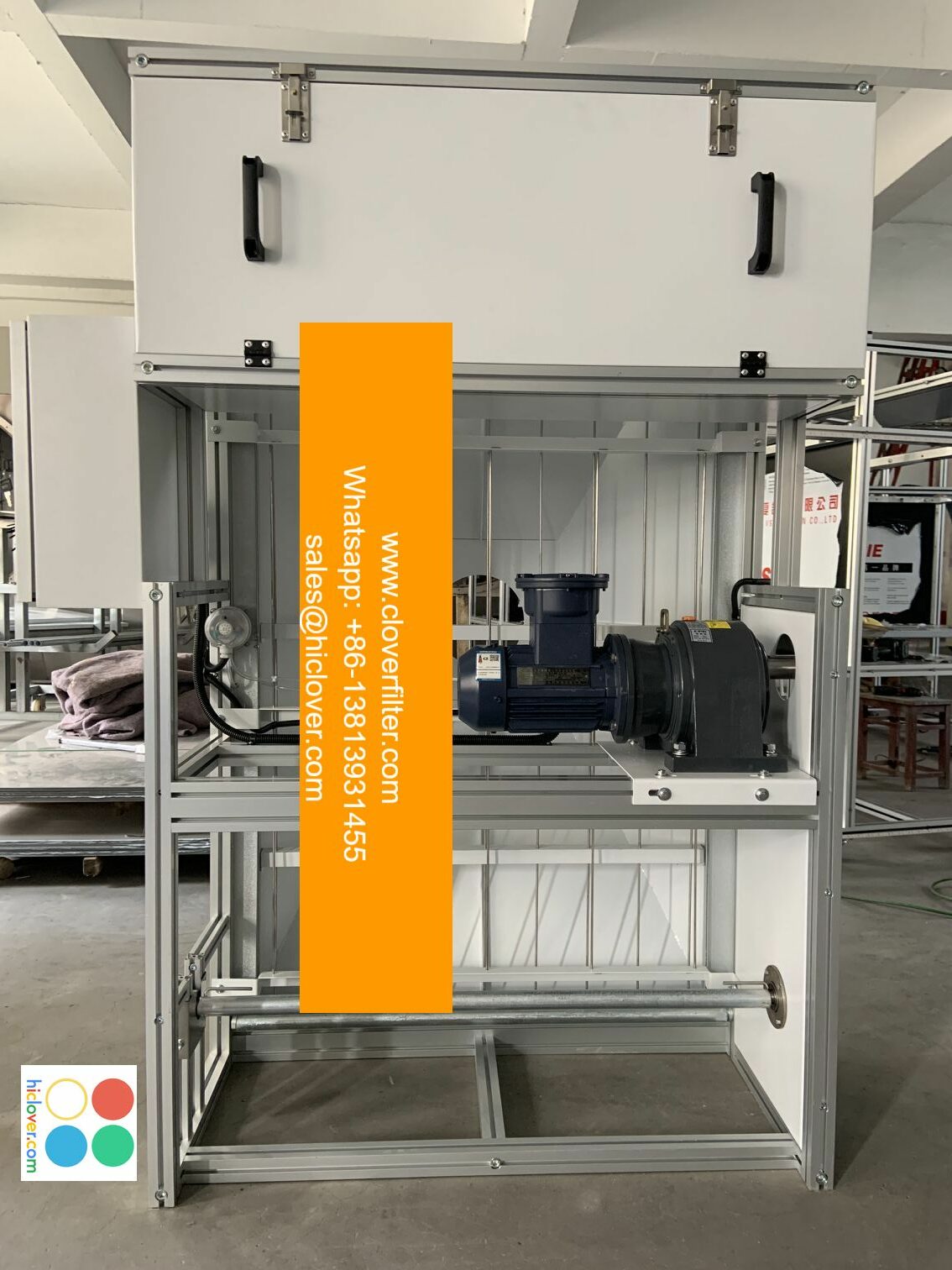
An Automatic Roll Air Filter is a cutting-edge solution designed for efficient particulate control in various industrial settings. These filters use a roll media advance logic system that allows for continuous filtration and maintenance reduction. The operation is centered around differential pressure triggers, which prompt the filter media to advance under specific conditions, ensuring clean air without interruptions. By integrating an Automatic Roll Air Filter into HVAC or AHU systems, facilities can achieve enhanced performance and lower energy costs.

How Does Air Filter Installation Work?
During air filter installation, several factors come into play to ensure optimal performance:
Practical Selection Guide for Automatic Roll Air Filters
Selecting the right Automatic Roll Air Filter requires consideration of numerous factors:
Comparison Table: Filter Types
| Filter Type | Best Use Case | Maintenance | Pressure Drop Behavior | Operating Cost | Typical Risk/Downside |
|---|---|---|---|---|---|
| Automatic Roll Air Filter | Continuous air filtration | Low | Consistent | Low | Requires initial setup |
| Bag Filter | High particulate environments | Moderate | Variable | Moderate | Can clog quickly |
| Panel Filter | Standard commercial applications | High | Steady | High | Frequent replacement needed |
| V-bank | High airflow demands | Moderate | Steady | Moderate | Limited service life |
Common Mistakes & How to Avoid Them
Real-World Scenarios
Case 1: Data Center
In a data center, maintaining air quality is critical for equipment longevity. An Automatic Roll Air Filter installation in the fresh air intake reduced particulate matter contamination, leading to improved cooling efficiency and energy savings.
Case 2: Battery Factory
A lithium-ion battery manufacturing facility successfully integrated Automatic Roll Air Filters into its HVAC system. The filters advanced media on a timer, reducing manual maintenance and ensuring optimal cleanroom conditions.
Case 3: Paint Shop
In a painting facility, the implementation of Automatic Roll Air Filters significantly decreased VOC levels while maintaining desired airflow rates. This improvement enabled compliance with environmental regulations and enhanced worker safety.
Case 4: Textile/Steel/Cement Plant
For large industrial plants, using Automatic Roll Air Filters allowed for efficient removal of dust and particulates. As a result, these installations led to lower energy consumption and maintenance costs while extending equipment lifespan.
FAQ
Q1: What differentiates an Automatic Roll Air Filter from traditional filters?
A1: Automatic Roll Filters utilize a roll media advance logic system that allows for continuous operation and reduces maintenance needs.
Q2: How often should the filter media be advanced?
A2: Advancement frequency can be set based on differential pressure readings or predetermined time intervals.
Q3: What is the typical lifespan of an Automatic Roll Air Filter?
A3: Lifespan varies based on environmental conditions and usage but generally can last several months with proper monitoring.
Q4: Are Automatic Roll Filters suitable for all HVAC systems?
A4: They are versatile and can fit various HVAC configurations, but consultation for specific applications is recommended.
Q5: What maintenance is required for Automatic Roll Air Filters?
A5: Regular monitoring and adjustments based on differential pressure, as well as periodic checks of the control systems, are essential.
Q6: Do Automatic Roll Filters comply with industry standards?
A6: While they can meet standards like ISO 16890 and MERV concepts, always check specific certifications available upon request.
Conclusion
The installation of air filters is a critical aspect of maintaining air quality in industrial spaces. With innovative solutions like the Automatic Roll Air Filter from CloverFilter, facilities can optimize filtration efficiency while reducing maintenance time and costs. For more information on air filter installation, visit CloverFilter or reach out via their contact page.
Meta Description: Maximize your air quality and efficiency with our comprehensive checklist for air filter installation. Ensure optimal performance with CloverFilter solutions.
It seems like you may have a specific prompt or topic in mind that you’d like to explore. Could you please provide more details or clarify your request? I’m here to help with writing, brainstorming ideas, answering questions, or anything else you might need!
