How Automatic Dust Filters Enhance HVAC Efficiency in Kenyan Government Buildings
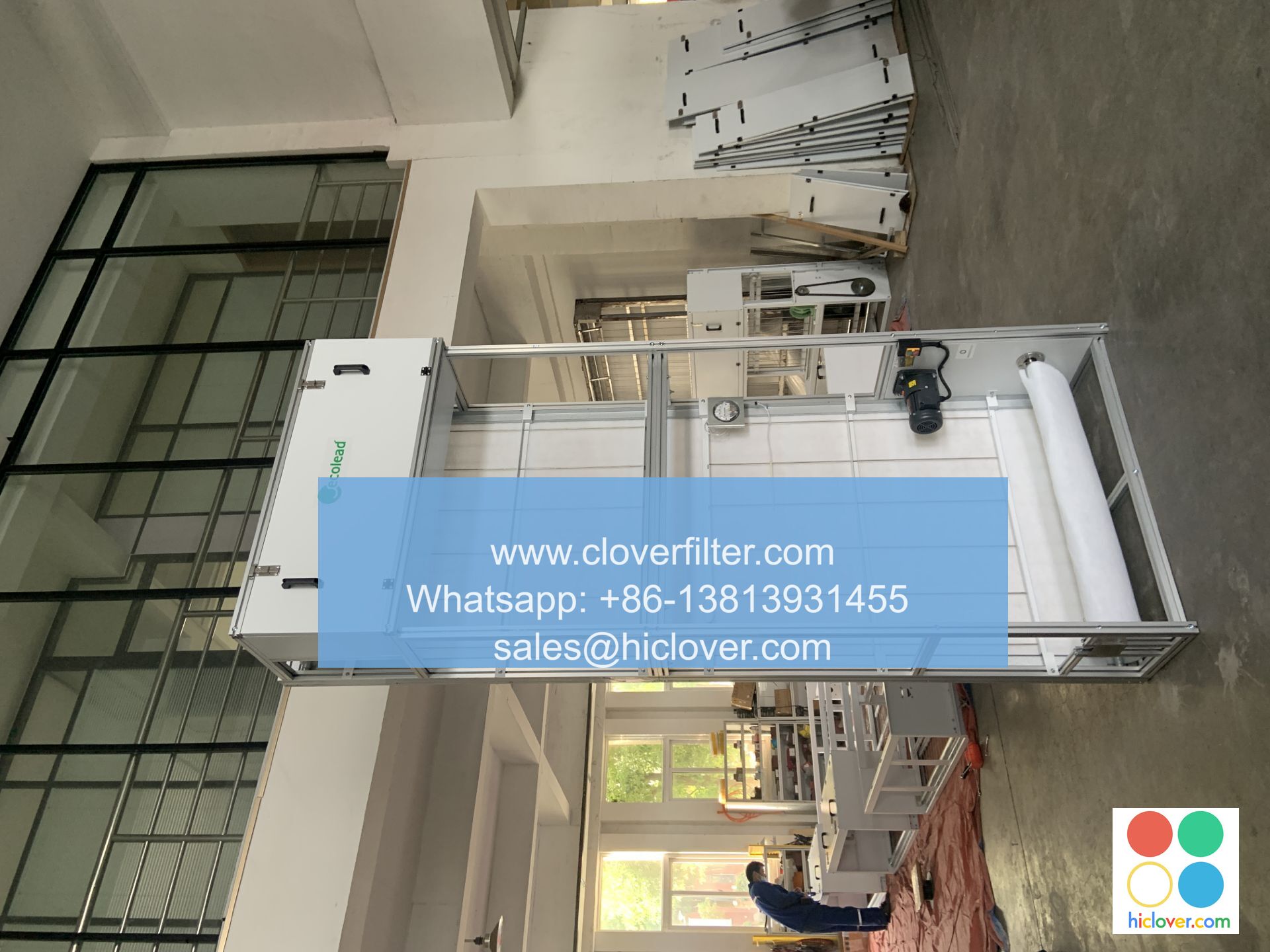
In the quest for improved environmental quality and energy conservation, many Kenyan government buildings are turning towards advanced technology solutions. One such innovation is the implementation of automatic dust filters within their Heating, Ventilation, and Air Conditioning (HVAC) systems. This article examines the profound effects of these filters on HVAC efficiency and overall air quality.
The Importance of HVAC Systems in Government Buildings

HVAC systems are pivotal in maintaining comfortable indoor environments, especially in government buildings where public services are offered. These systems control temperature, humidity, and air quality. However, their efficiency can be significantly hampered by the accumulation of dust and particulate matter.
Understanding Automatic Dust Filters
Automatic dust filters are advanced filtration systems that automatically adjust their operation based on the air quality and dust levels detected in a building’s environment. This adaptability allows for optimized air filtration in real-time, as opposed to traditional filters that require manual replacement and maintenance.
Enhancing HVAC Efficiency with Automatic Dust Filters
Automatic dust filters contribute to HVAC efficiency in various significant ways:
1. Improved Air Quality
By efficiently removing particulate matter from the air, automatic dust filters ensure that the air circulated within government buildings is clean and safe for all occupants. This is particularly crucial in areas where large groups of people gather.
2. Energy Savings
Reduced dust buildup means that HVAC systems do not have to work as hard to maintain desired temperatures. This leads to lower energy consumption, which is a significant cost-saving measure for government operations.
3. Extended Equipment Lifespan
When HVAC systems are not burdened by excessive dust and debris, they tend to last longer and require less frequent repairs or replacements, resulting in lower maintenance costs. Automatic dust filters contribute to enhanced equipment longevity.
4. Adaptability to Environmental Conditions
Automatic dust filters can sense changes in air quality and adjust their filtering intensity accordingly. This feature is especially beneficial in urban areas of Kenya, where dust and pollution levels can fluctuate significantly.
Application Areas in Kenyan Government Buildings
The implementation of automatic dust filters is particularly beneficial in various sectors of government buildings:
1. Administrative Offices
In administrative buildings, where personnel often work in close proximity, maintaining a healthy indoor air environment is essential. Automatic dust filters help reduce the risk of airborne illnesses.
2. Health Facilities
Government hospitals and clinics require stringent air quality controls to prevent the spread of infections. Automatic dust filtering systems ensure that the air remains free from harmful pathogens and allergens.
3. Educational Institutions
Buildings that house government educational institutions, such as universities and vocational training centers, benefit from improved air quality conducive to learning and focus.
4. Public Assembly Areas
In venues where large groups gather, such as auditoriums and conference halls, automatic dust filters maintain air quality standards, enhancing the comfort and safety of attendees.
The Way Forward
As Kenya pursues its vision for sustainable development, integrating automatic dust filters in HVAC systems across government buildings offers a practical solution for enhancing energy efficiency and air quality. Investing in such technologies will not only contribute to cost savings but will also promote a healthier environment for citizens.
In conclusion, the advantages of automatic dust filters in HVAC systems cannot be overlooked, especially in the context of Kenyan government buildings. Through innovative technology and smart environmental strategies, we can create healthier and more efficient public spaces for all.
It seems like you might be looking for a specific prompt or a topic to explore. Could you provide more details or clarify what type of prompt you’re interested in? For instance, are you looking for creative writing prompts, discussion topics, or something else? Let me know how I can assist!
