Comparing Mechanical vs. Electrostatic Air Filters
Key Takeaways:
- Mechanical filters rely on physical barriers for particulate control, while electrostatic filters use electrical attraction.
- Automatic Roll Air Filters deliver continuous media advancement, reducing maintenance efforts.
- Understanding airflow range and pressure behavior helps in selecting the right filter for your system.
- Compliance with ISO 16890 and MERV standards can guide filter selection, though specific certifications may vary.
- Real-world application examples highlight efficiency in different operational settings.
- Mechanical Filters: Utilize physical barriers such as pleated paper, fiberglass, or synthetic materials to trap particles. Maintenance involves periodic replacement, as dirt accumulates.
- Electrostatic Filters: Use charged media to attract and capture airborne contaminants without the same level of maintenance as mechanical types. However, their performance can decline if not cleaned regularly.
- Airflow Range: Identify the typical airflow in your facility to ensure optimal filtering without restricting airflow.
- Face Velocity: This refers to the speed of air passing through the filter. An ideal face velocity maximizes filtration while minimizing energy costs.
- Media Width/Length: Choose dimensions that fit the existing frames and allow adequate filtration area.
- Frame Size: Make sure the frame dimensions correctly align with your HVAC system to expedite installation.
- Control Options: Filters with intelligent controls may offer enhanced performance insights, including differential pressure readings.
- Power Supply: Assess whether the system can operate efficiently with your existing power infrastructure.
- Installation Location: Consider alternate installation options at fresh air intakes, returns, or process spaces to maximize air quality.
- Ignoring Airflow Needs: Ensure your chosen filter meets the airflow specifications of your HVAC system.
- Overlooking Maintenance: Schedule regular assessments to avoid unexpected downtimes.
- Skipping Compatibility Checks: Always confirm that the selected filter fits your existing frames.
- Neglecting Filter Ratings: Familiarize yourself with MERV and ISO 16890 standards relevant to your industry.
- Underestimating Pressure Drop: Select a filter that maintains low pressure drops to preserve energy efficiency.
- Choosing High Resistance Filters for Low Loads: Understand the specific application requirements to avoid wasting energy.
- Not Consulting with Experts: Leverage the knowledge of HVAC engineers for informed decisions.
- Failing to Update Filters: Keep up with necessary changes and improvements based on filter performance feedback.
- Ignoring Environmental Conditions: Be aware of specific environmental challenges in your facility that may impact filter effectiveness.
- Assuming All Filters Are Equal: Different applications require tailored filtration solutions—do your research.
- Data Center: An Automatic Roll Air Filter maintains consistent airflow and energy efficiency, controlling dust levels and preventing equipment overheating.
- Lithium Battery Factory: Implementing a high-efficiency filter setup ensures compliance with safety standards and enhances air quality for workers.
- Paint Shop: Filters reduce volatile organic compound (VOC) emissions while maintaining air circulation, creating a safer working environment.
- Textile and Cement Industries: Optimal filtration improves workplace air quality while minimizing particulates that can affect product quality and employee health.

What is an Automatic Roll Air Filter?
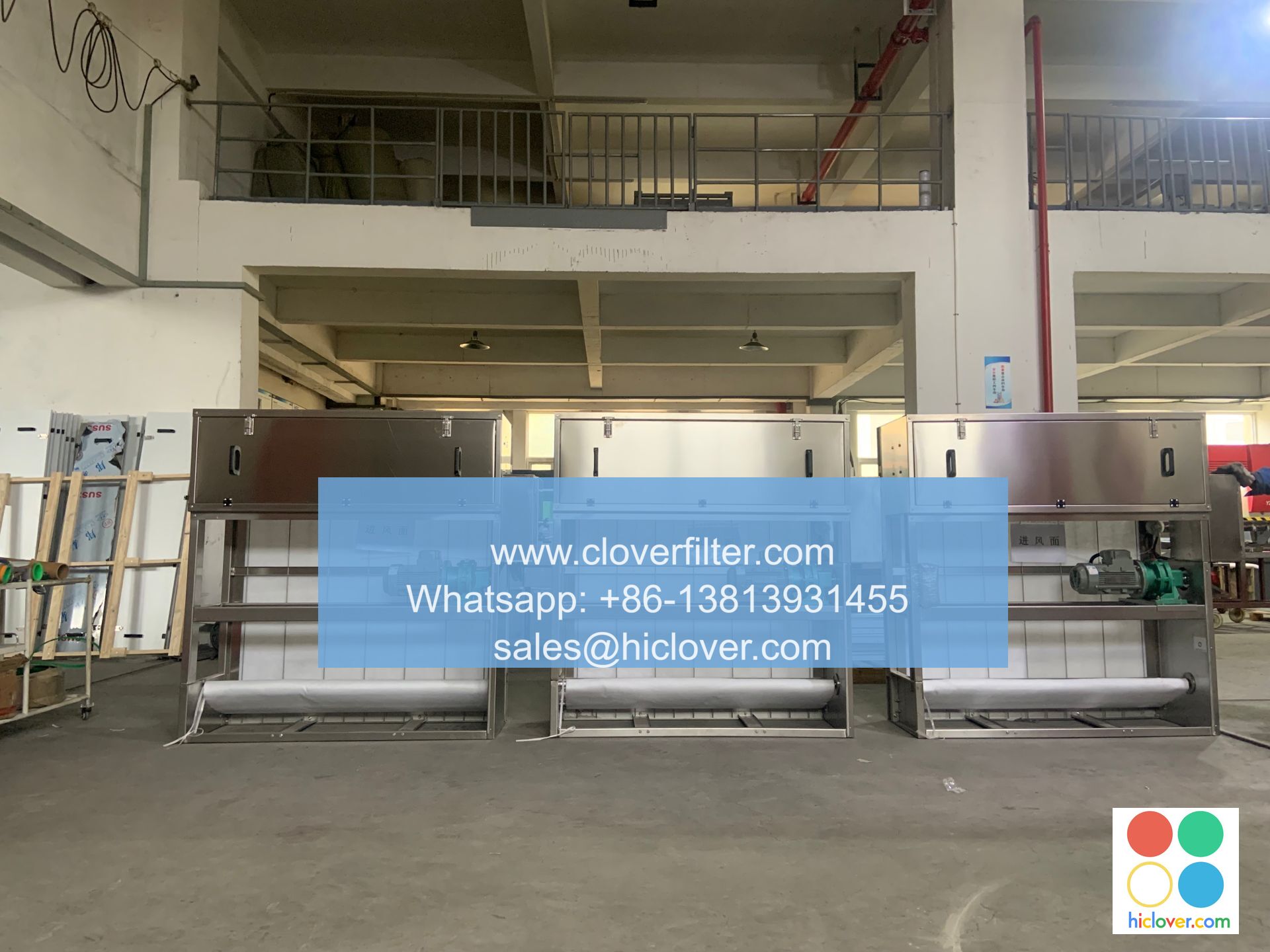
An Automatic Roll Air Filter is a sophisticated air filtration system designed to improve air quality within various industrial environments. This system utilizes a roll media advancement mechanism that keeps the filtration media constantly fresh, driven by a differential pressure trigger and timer mode. It’s applicable in HVAC systems, where it serves as an efficient AHU prefilter or fresh air intake solution, specifically in settings like cleanrooms, data centers, lithium battery plants, and hospitals.
The roll media transition assists in maintaining low differential pressure, fewer maintenance interruptions, and better energy savings compared to traditional filters. Products like the Automatic Roll Air Filter from CloverFilter exemplify this technology and can significantly enhance operational efficiency for facility managers and HVAC engineers.

Mechanical Filters vs. Electrostatic Filters
When choosing an air filtration solution, understanding the differences between mechanical and electrostatic filters is crucial:
Practical Selection Guide
Selecting the right air filter requires careful consideration of the following factors:
Air Filter Sitemap
Creating an effective Air filter sitemap is essential for simplifying your filter selection and maintenance process. The sitemap should outline all available filters categorized by specifications and performance standards, enabling streamlined procurement decisions.
Comparison Table
| Filter Type | Best Use Case | Maintenance | Pressure Drop Behavior | Operating Cost | Typical Risk/Downside |
|---|---|---|---|---|---|
| Automatic Roll Air Filter | High-flow applications | Low, due to automated media | Low to moderate | Moderate initial cost | Media replacement needs tracking |
| Bag Filter | General industrial | Medium, periodic replacement | Moderate | Moderate ongoing cost | Dust can compact, reducing efficiency |
| Panel Filter | Light-duty commercial | High, frequent replacement | High | Low initial cost | Cannot handle high particulate loads |
| V-bank | Space-constrained areas | Medium, periodic maintenance | Variable | Varies based on media type | Performance can drop with dirt buildup |
Common Mistakes & How to Avoid Them
Here are some frequent pitfalls in air filter selection and installation, along with tips for prevention:
Real-World Scenarios
In summary, understanding the nuances between mechanical and electrostatic air filters can empower procurement managers and facility engineers to make informed decisions. Choosing a product like CloverFilter’s Automatic Roll Air Filter not only boosts filtration efficiency but also contributes to prolonged equipment lifespan and reduced operational costs.
For more information on choosing the right air filtration solution, visit CloverFilter or reach out to their team for expert guidance at contact CloverFilter.
Meta Description: Dive into the differences between mechanical and electrostatic air filters. Explore advantages, practical guides, and real-world applications for efficient filtration.
It seems like your message may have been cut off. Could you please provide more context or clarify what you’re looking for? Whether it’s a writing prompt, a question, or a topic for discussion, I’m here to help!
