The Effectiveness of Automatic Roll Air Filters in Biosafety Labs: A Case Study
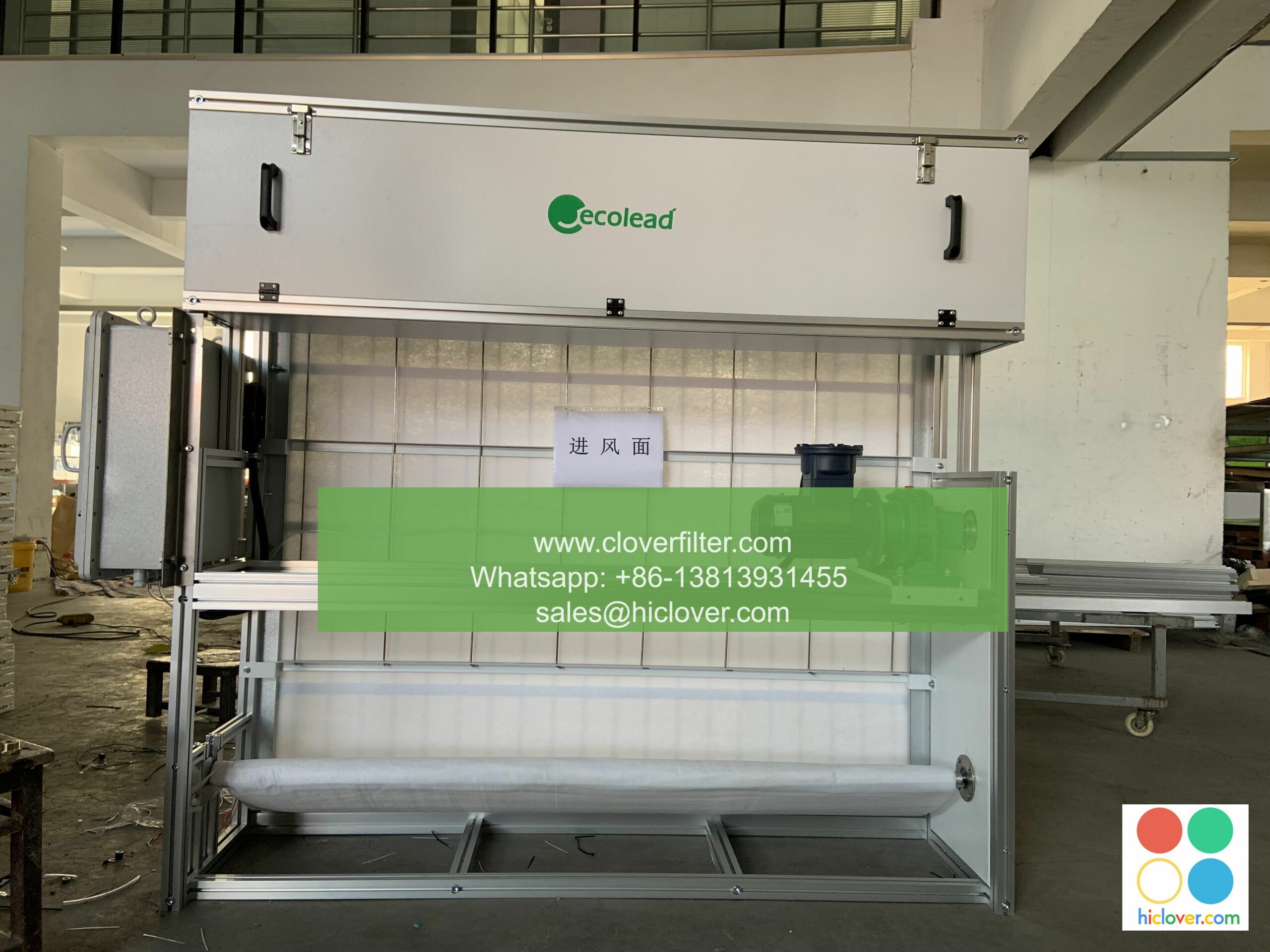
In recent years, the importance of clean air in biosafety laboratories has been underscored by the rise of infectious diseases and heightened concern over biohazards. Automatic roll air filters have emerged as a pivotal technology in maintaining the high standards of air quality necessary for laboratory environments. This article explores the effectiveness of automatic roll air filters in biosafety labs, highlighting their applications, benefits, and the findings from a recent case study.
Understanding Automatic Roll Air Filters

Automatic roll air filters are advanced filtration systems designed to provide continuous air cleaning by utilizing a self-replenishing roll of filter material. These systems are particularly beneficial in controlled environments such as biosafety labs, where the containment of airborne pathogens is crucial. The key features of these filters include:
- Continuous Operation: Unlike traditional filters that require manual replacement, automatic roll air filters renew themselves, ensuring uninterrupted airflow.
- High Filtration Efficiency: They are effective at capturing a wide range of airborne contaminants, including bacteria, viruses, and particulates.
- Cost-Effectiveness: By minimizing manual labor and reducing the frequency of filter changes, operational costs are lowered significantly.
Applications of Automatic Roll Air Filters in Biosafety Labs
The application of automatic roll air filters extends across various sectors within the realm of biosafety labs:
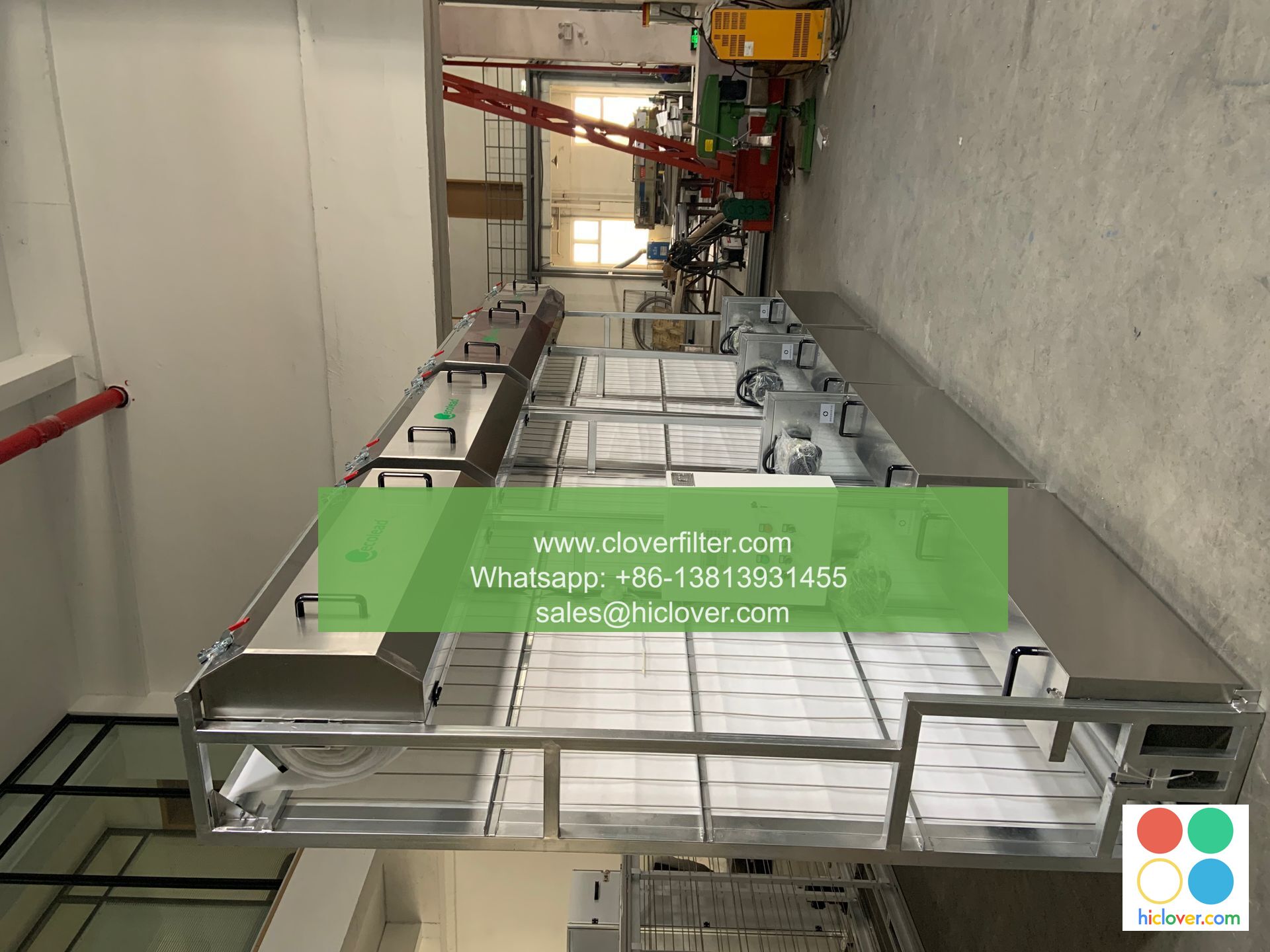
1. Pharmaceutical Research
In pharmaceutical labs, maintaining sterile environments is critical. Automatic roll air filters help in controlling the levels of airborne contaminants that could compromise the integrity of experiments and drug formulation processes.
2. Microbiology and Virology Labs
Research facilities handling microorganisms and viruses must adhere to stringent safety protocols. These filters are effective in trapping viral particles and bacteria, thereby protecting lab personnel and preventing contamination.
3. Genetic Engineering Laboratories
Genetic engineering often involves highly sensitive biological materials. Automatic roll air filters ensure a clean air supply, essential for successful experiments while safeguarding against potential biohazard risks.
Case Study: Evaluating the Effectiveness of Automatic Roll Air Filters
Background
A leading biosafety laboratory in the United States implemented automatic roll air filters to enhance their air quality management system. The lab specializes in infectious disease research and is classified under Biosafety Level 3 (BSL-3).
Methodology
The effectiveness of the automatic roll air filters was evaluated over six months. Key performance indicators included:
- Air Quality Measurements: Regular monitoring of particulate counts and biological contaminants.
- Filter Replacement Frequency: Comparison with previous manual filter systems.
- Personnel Feedback: Surveys from laboratory staff regarding air quality and comfort.
Findings
The results from the case study revealed significant improvements:
- Reduction in Airborne Contaminants: There was a 90% reduction in particulate matter and bacterial counts within the biosafety cabinet environments.
- Lower Maintenance Costs: The frequency of filter replacements decreased by approximately 40%, leading to substantial savings in operational expenses.
- Improved Staff Comfort: Personnel reported enhanced air quality, resulting in higher productivity and reduced health concerns associated with contaminated air.
Conclusion
The integration of automatic roll air filters in biosafety labs has proven to enhance air quality significantly. This case study exemplifies how these advanced filtration systems can contribute to safer research practices while reducing operational costs. As laboratories continue to face challenges related to biohazards, the adoption of innovative air filtration technologies like automatic roll air filters will play a crucial role in ensuring safety and reliability across various sectors of biomedical research.
Keywords: Automatic Roll Air Filters, Biosafety Labs, Air Quality, Filtration Systems, Infectious Disease Research, Contamination Control, Pharmaceutical Research.
In conclusion, automatic roll air filters are not only effective but also represent a significant advancement in maintaining the stringent air quality standards required in biosafety labs. Their various applications and proven effectiveness make them an essential component for the safety and success of modern scientific research.
