Comparing HEPA and ULPA Filters: Certification Differences Explained
Key Takeaways
- HEPA and ULPA filters differ in efficiency levels and air filter certifications.
- HEPA filters capture 99.97% particles ≥0.3 microns; ULPA filters capture 99.999% particles ≥0.12 microns.
- Understanding these differences aids optimal filter selection for your applications.
- Automatic Roll Air Filters from CloverFilter integrate innovative features for enhanced performance.
- Regular maintenance and adherence to guidelines prevent operational disruptions.
- Airflow Range: Ensure that it meets the required CFM (cubic feet per minute) for your space.
- Face Velocity: Optimal velocity helps in maintaining efficient filtration without straining the system.
- Media Width/Length: Determine based on the installation area and filtering needs.
- Frame Size: Ensure compatibility with existing HVAC or AHU systems.
- Control Options: Look for automated solutions to reduce human intervention and maintenance.
- Power Supply: Verify the power requirements align with your facility’s capabilities.
- Installation Location: Choose between fresh air intake, return, or process-specific applications.
- Not Assessing Air Quality Needs: Evaluate your specific air quality requirements before purchasing.
- Ignoring Filter Maintenance: Regular checks and replacements are crucial for optimal performance.
- Overlooking Pressure Drop: Select filters that provide low pressure drop to reduce energy costs.
- Failing to Confirm Compatibility: Always verify size and configuration fit for your HVAC system.
- Neglecting Energy Consumption: Consider filters that reduce energy usage to keep operational costs down.
- Not Considering All Options: Evaluate various filter types before deciding, including the Automatic Roll Air Filter.
- Ignoring Manufacturer Specifications: Always refer to specifications and guidelines to ensure compliance.

Understanding Air Filter Certifications
Air filter certifications serve as a benchmark for the effectiveness of different types of filters in capturing particulate matter. When procuring air filters, it’s crucial to understand the differences between certifications like HEPA (High Efficiency Particulate Air) and ULPA (Ultra-Low Penetration Air). Both filters are designed to trap harmful particles, but they differ in efficiency and application. HEPA filters, for instance, can capture 99.97% of particles equal to or greater than 0.3 microns in size, while ULPA filters can capture 99.999% of particles down to 0.12 microns.
HEPA Filters: Features and Applications

HEPA filters are widely used in various industries such as healthcare, cleanrooms, and other facilities that require high air quality. They are designed to collect dust, pollen, mold spores, and pet dander effectively. In environments like data centers and hospitals, where even minor pollutants can cause significant issues, HEPA filters offer a robust solution.
ULPA Filters: Features and Applications
ULPA filters are the next step in filtration technology, designed for environments where superior particulate control is essential. They are commonly used in laboratories and manufacturing processes that demand exceptionally clean air. Whether it’s in the production of lithium batteries or within paint booths, ULPA filters ensure the highest level of air cleanliness.
Comparing HEPA and ULPA Filters
| Feature | HEPA Filters | ULPA Filters |
|---|---|---|
| Efficiency | 99.97% particles ≥0.3 microns | 99.999% particles ≥0.12 microns |
| Typical Use | Data centers, hospitals, clean rooms | Research labs, semiconductor manufacturing |
| Maintenance | Moderate; regular checks | High; often requires specialized handling |
| Cost | Generally lower compared to ULPA | Higher initial investment but reduced risk |
Automatic Roll Air Filter: Optimization in Filtration
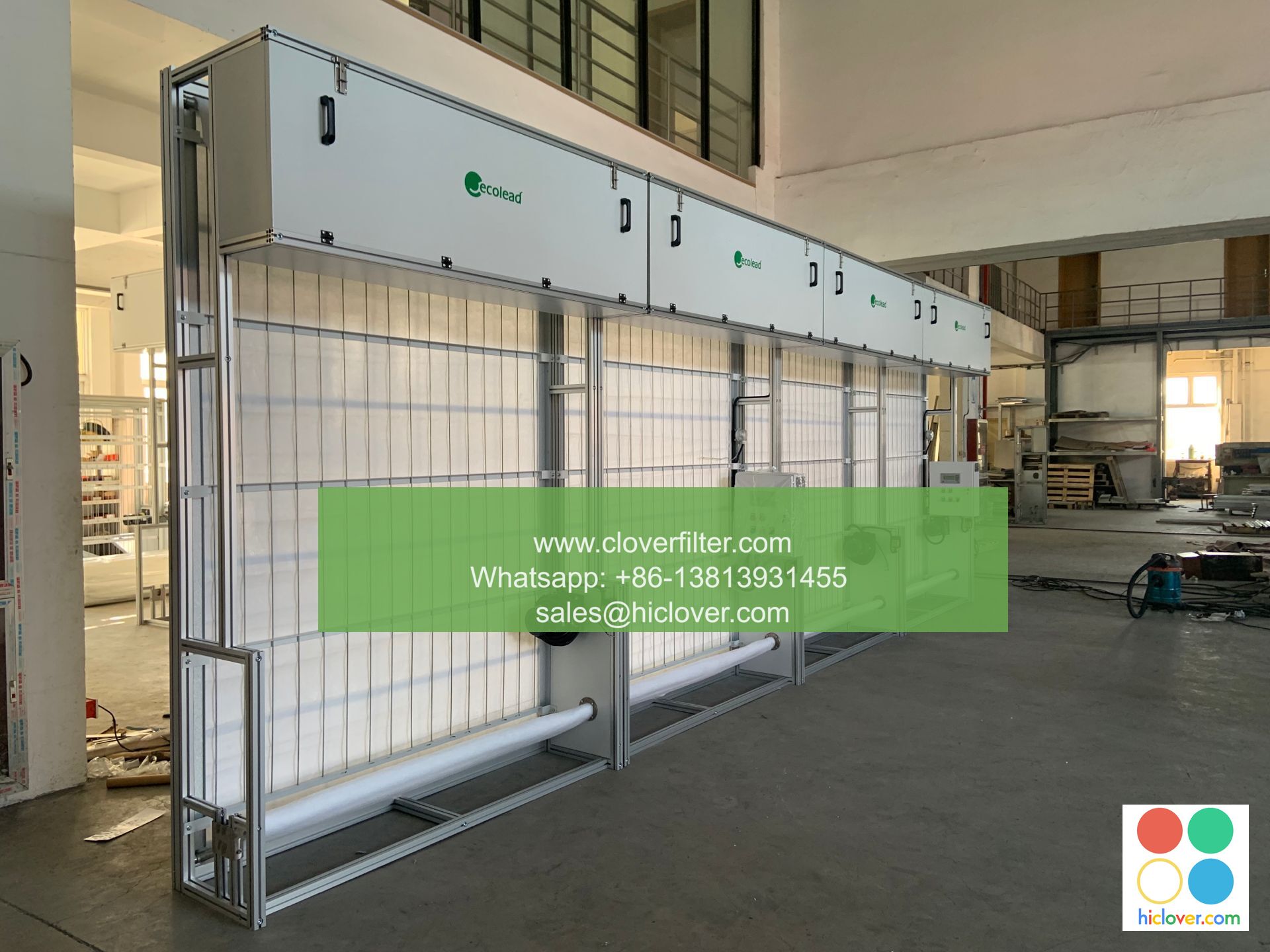
CloverFilter’s Automatic Roll Air Filter is designed to provide unparalleled efficiency in air filtration systems. Its unique roll media advance logic ensures that the filter maximizes lifespan and minimizes maintenance needs. The differential pressure trigger activates the filter roll change when it detects increased resistance, ensuring a consistent air quality without manual checks. This innovation is ideal for settings like fresh air intakes in HVAC systems, where air quality must be meticulously maintained.
Practical Selection Guide
When choosing an air filter, consider these parameters:
Common Mistakes & How to Avoid Them
Real-World Scenarios
Data Center
In a data center, consistent air quality is essential for operational efficiency. Using HEPA filters ensures that dust and pollutants don’t compromise the intricate hardware.
Battery Factory
A lithium battery manufacturing facility implemented ULPA filters to reduce the risk of contamination during production, enhancing product quality and compliance with stringent regulations.
Paint Shop
In paint booths, an Automatic Roll Air Filter from CloverFilter aids in maintaining air quality by capturing overspray particulates, improving worker safety and product consistency.
Textile/Steel/Cement Plants
In these heavy industries, using high-efficiency filters minimizes particulate pollution, thus adhering to environmental standards and improving worker health.
Final Thoughts on Air Filter Certifications
Understanding the various air filter certifications is essential for making informed purchasing decisions. Whether you choose a HEPA or ULPA filter, or an Automatic Roll Air Filter like those from CloverFilter, consider your facility’s specific needs. Always assess the requirements outlined by standards such as ISO 16890 or MERV while avoiding claims of certification that aren’t substantiated.
To explore CloverFilter’s range of air filtration solutions, including the Automatic Roll Air Filter, visit CloverFilter. For assistance with your air filtration needs, feel free to reach out on our contact page.
Meta Description: Discover the key differences between HEPA and ULPA filters, their certifications, and how CloverFilter’s Automatic Roll Air Filter enhances air quality in industrial settings.
It seems like you might be looking for a writing prompt or a topic to discuss. Could you please clarify what type of prompt you’re interested in? For example, are you looking for a creative writing prompt, a discussion topic, or something else?
