Impact of Air Filter Performance on Allergens and Irritants
Key Takeaways
- Air filter performance directly impacts indoor air quality, affecting allergen levels.
- Automatic Roll Air Filters offer advanced technology for efficient filtration.
- Proper filtering reduces maintenance costs and energy consumption.
- Differential pressure triggers optimize roll media usage, enhancing longevity.
- Compliance with standards like ISO 16890 or MERV helps ensure quality.
- Selection factors include airflow range, frame size, and control options.
- Real-world applications highlight the importance of effective filtration tailored to specific environments.
- Roll Media Advance Logic: The filter automatically moves the media in response to a pre-set differential pressure, ensuring continuous filtration without human oversight.
- Differential Pressure Trigger: This technology allows the filter to detect when the media is saturated with particles, triggering an efficient replacement process.
- Timer Mode: Users can set operational intervals to automatically advance the media based on routine schedules.
- Airflow Range: Determine the volumetric flow rate required.
- Face Velocity: Select a suitable velocity based on your specific filtration goals.
- Media Width/Length: Choose dimensions that adapt to your AHU or HVAC setup.
- Frame Size: Ensure compatibility with existing installations.
- Control Options: Evaluate manual vs. automated controls, based on your operational needs.
- Power Supply: Consider available power configurations to avoid integration issues.
- Installation Location: Identify optimal placements—whether fresh air intake, return, or process areas.
- Underestimating Airflow Needs: Always calculate required airflow precisely.
- Neglecting Maintenance: Schedule regular maintenance checks to prevent complications.
- Ignoring Pressure Drop: Monitor pressure drops to ensure optimal filter performance.
- Selecting Incorrect Size: Measure existing installations thoroughly before purchasing.
- Inadequate Training: Provide staff with training on filter changes and monitoring.
- Overlooking Compliance Standards: Familiarize with ISO 16890 and MERV guidelines.
- Choosing the Wrong Media Type: Ensure media selection aligns with particulate control needs.
- Disregarding Environmental Conditions: Assess the specific settings where the filter operates for optimal performance.
- Failing to Track Filter Lifecycle: Implement tracking for better decision-making on replacements.
- Inconsistent Monitoring: Regularly check filter indicators for prompt maintenance actions.
-
Data Center: Utilizing Automatic Roll Air Filters allows for efficient cooling and dust management, maintaining temperature and preventing hardware malfunctions.
-
Lithium Battery Factory: Fine particulate control is essential; the Advanced Roll Air Filter supports minimized contaminants impacting battery quality.
-
Paint Shop: High VOC levels necessitate diligent filtration. Automatic Roll Air Filters help maintain air purity while optimizing airflow to reduce energy costs.
-
Textile/Cement Plant: These environments generate substantial airborne particulates. Employing CloverFilter’s solutions ensures compliance with air quality standards and employee health.
-
What is the lifespan of an Automatic Roll Air Filter?
- The lifespan varies based on usage and environment but typically lasts longer due to minimal maintenance needs.
-
How do I monitor filter performance?
- Regularly check differential pressure gauges and have staff trained to recognize pressure drop signals.
-
Are Automatic Roll Air Filters expensive?
- The initial investment can be higher, but the long-term savings in maintenance often justify the cost.
-
Do I need a special installation for Automatic Roll Air Filters?
- While they fit seamlessly into most systems, consulting with an HVAC engineer is advisable for proper integration.
-
What standard does CloverFilter refer for compliance?
- CloverFilter operates under industry frameworks like ISO 16890 and MERV, but specific certifications should be requested.
-
How often should filters be replaced?
- This depends on environmental conditions; however, regular monitoring helps establish an appropriate schedule.
-
Can these filters be used in all HVAC systems?
- Yes, as long as the specifications align with the system setups.
-
How do air filters impact energy savings?
- Efficient filters reduce strain on HVAC systems, leading to lower energy consumption overall.
-
What is the difference between MERV and ISO ratings?
- MERV is primarily for particulate filtration performance, whereas ISO standards address a broader scope of air quality metrics.
-
How can I contact CloverFilter for more information?
- Visit our contact page for inquiries and support: CloverFilter Contact.

Understanding Air Filter Performance
Air filter performance is critical for managing allergens and irritants in industrial settings, cleanrooms, and large HVAC systems. Effective filtration minimizes particulate pollution and enhances worker comfort and safety. Automatic Roll Air Filters, such as those provided by CloverFilter, utilize advanced mechanisms to ensure superior filter performance, ultimately leading to a healthier environment.

What is an Automatic Roll Air Filter?
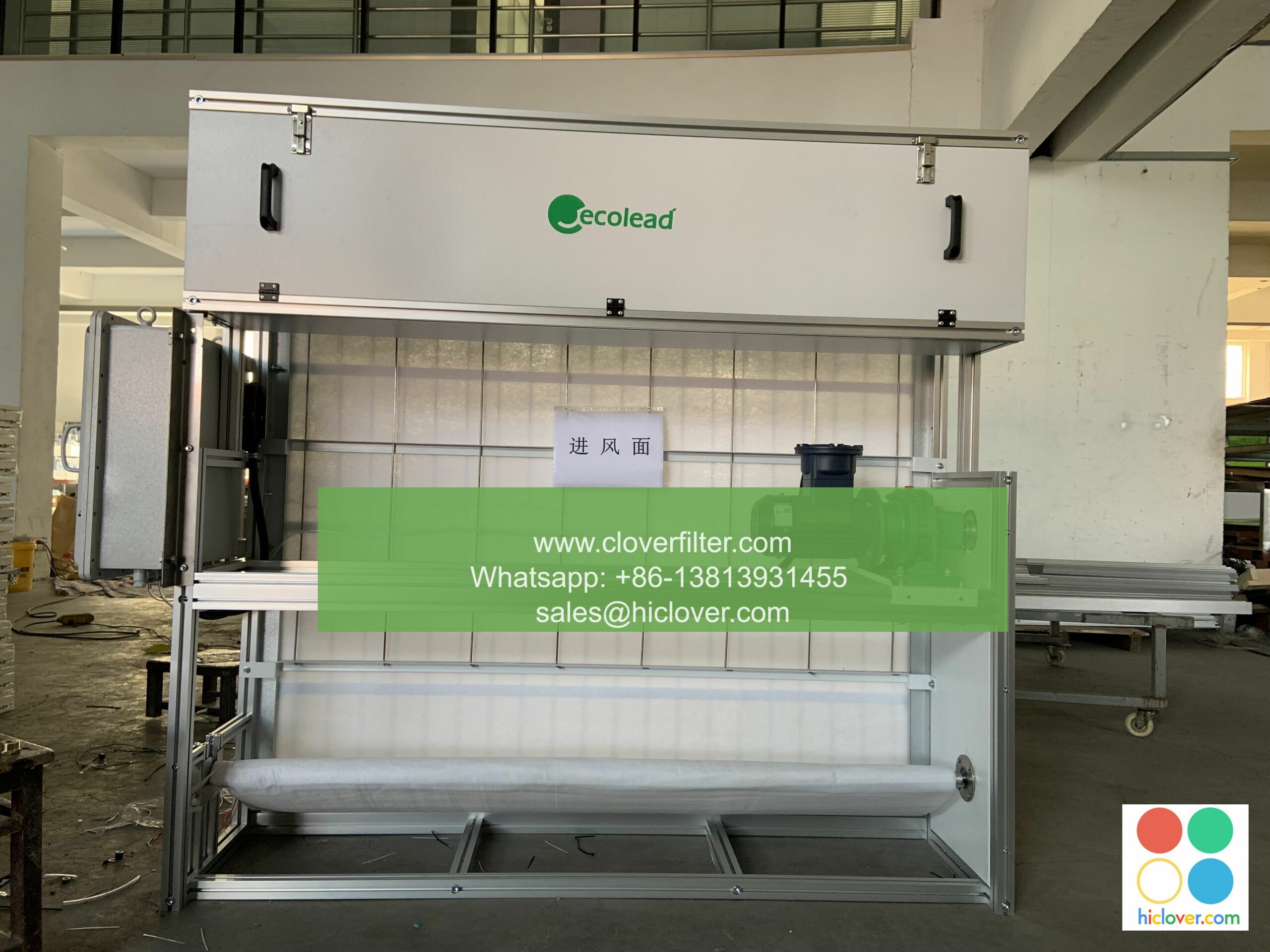
An Automatic Roll Air Filter is a sophisticated filtration solution featuring roll media that advances automatically. It operates using a differential pressure trigger and timer mode. When restrictions in airflow increase, indicating a buildup of contaminants, the filter’s roll media advances to expose a clean section. This system fits seamlessly into HVAC and Air Handling Unit (AHU) systems, ensuring sustained air quality with minimal manual intervention.
How Does It Work?
The functionality of an Automatic Roll Air Filter can be attributed to its unique design and operation:
This innovative combination ensures the consistent performance of air filters, providing optimal allergen control.
Practical Selection Guide for Air Filters
Selecting the right air filter for your application can be challenging. Here are practical aspects to consider:
Comparison of Air Filter Types
| Filter Type | Best Use Case | Maintenance | Pressure Drop Behavior | Operating Cost | Typical Risk/Downside |
|---|---|---|---|---|---|
| Automatic Roll Air Filter | High particulate levels | Low (self-cleaning) | Consistent, low drop | Moderate savings | Initial setup cost |
| Bag Filter | General purpose | Moderate | Varies with loading | Variable costs | Needs regular changeouts |
| Panel Filter | Light-duty environments | High | Generally low | Higher long-term cost | Space limitations |
| V-bank Filter | Efficient, compact | Moderate | Can be higher | Higher operating cost | Complicated maintenance |
Common Mistakes & How to Avoid Them
Real-World Scenarios
Frequently Asked Questions
Meta Description: Discover the impact of air filter performance on allergens and irritants. Explore solutions from CloverFilter to improve air quality and efficiency.
For tailored air filtration solutions, reach out to CloverFilter at CloverFilter. Our experts are here to assist you in optimizing your air quality and filtration systems.
It looks like you sent just the word “Prompt.” Could you please provide more details or specify what kind of prompt you are looking for? Whether it’s for writing, brainstorming ideas, or something else, I’m here to help!
