Innovative Air Filtration Technologies for Modern Medical Manufacturing
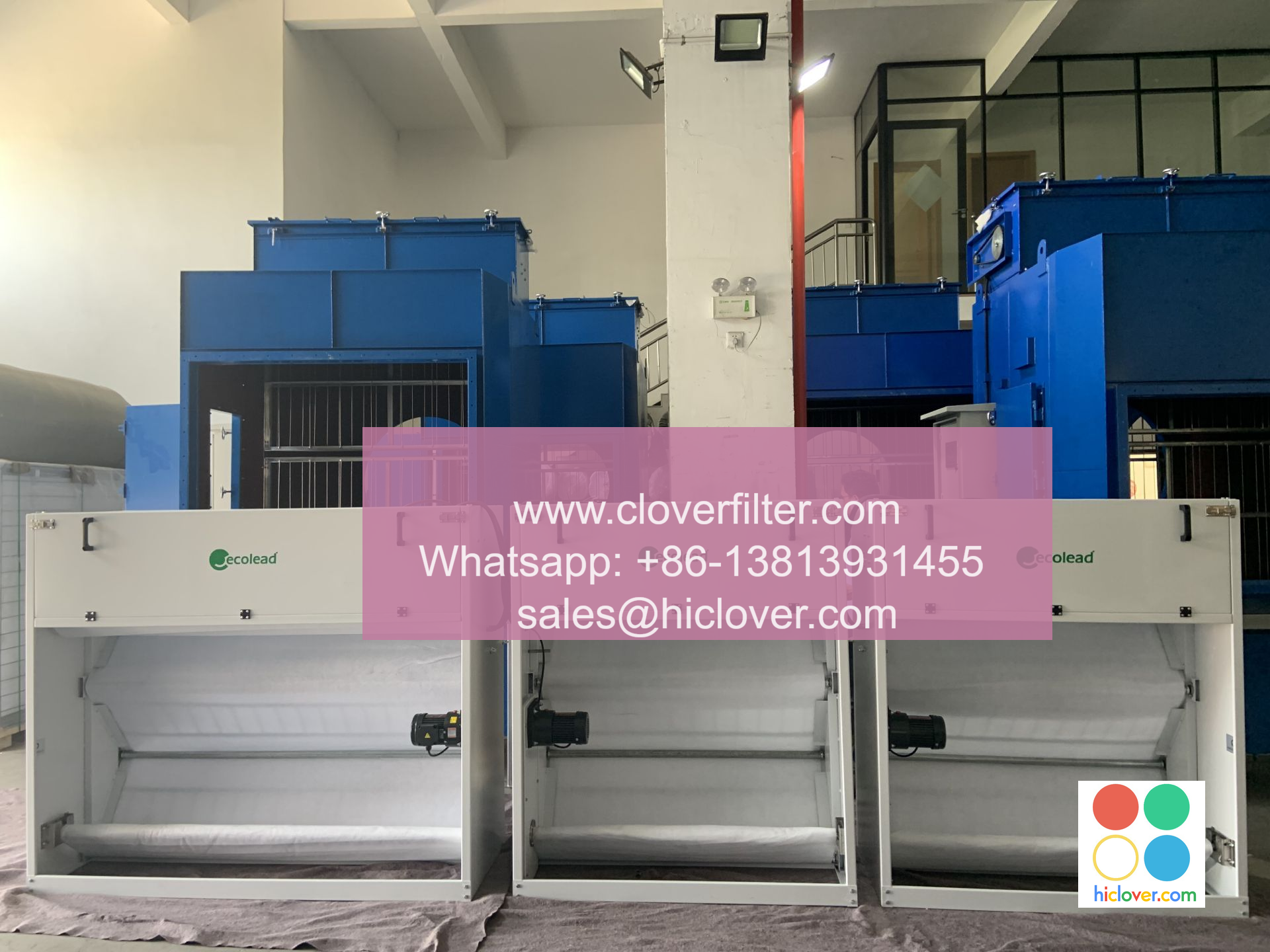
In the rapidly evolving industry of medical manufacturing, maintaining stringent air quality standards is crucial. Advanced air filtration technologies are becoming indispensable for ensuring compliance with regulations and enhancing product quality. This article explores innovative air filtration technologies and their various application areas in modern medical manufacturing.
The Importance of Air Quality in Medical Manufacturing

In the medical manufacturing sector, air quality directly impacts product integrity and patient safety. Contaminants such as dust, bacteria, and volatile organic compounds (VOCs) can compromise the manufacturing environment, leading to product recalls and increased healthcare costs. Therefore, investing in state-of-the-art air filtration systems is essential for ensuring safe and sterile environments.
Key Innovations in Air Filtration Technologies
1. HEPA and ULPA Filters
High-Efficiency Particulate Air (HEPA) and Ultra-Low Penetration Air (ULPA) filters are industry standards in the medical manufacturing sector. These filters can capture a vast majority of particles, including bacterial spores, dust, and smoke. Their ability to remove particles down to 0.3 microns makes them vital in cleanrooms and pharmaceutical manufacturing areas where sterile conditions are paramount.
2. Active Air Filtration Systems
Active air filtration systems are becoming increasingly popular due to their enhanced efficacy and energy efficiency. These systems utilize ultraviolet (UV) light to eliminate pathogens, including viruses and bacteria, as air circulates through the filters. This technology is particularly advantageous in surgical centers and laboratory environments where infection control is critical.
3. Electrostatic Precipitators
Electrostatic precipitators (ESPs) offer a unique approach by using electrical charges to attract and capture airborne particles. This technology is particularly effective in high-volume air handling systems, making it ideal for large-scale medical manufacturing facilities. ESPs not only enhance air quality but also contribute to energy savings due to their low resistance to airflow.
4. Hybrid Filtration Systems
Hybrid filtration systems combine various technologies, such as HEPA filters and activated carbon, to achieve superior results. These systems can effectively remove both particulate matter and gaseous pollutants, which is particularly beneficial in facilities that handle volatile chemicals in addition to producing sterile medical devices.
5. Nanotechnology-Based Filters
Emerging nanotechnology-based air filters boast enhanced performance through the use of nanofibers that can capture smaller particles more effectively than traditional materials. These filters have shown promise in the filtration of airborne viruses and are increasingly being researched for future applications in cleanrooms and bioengineering labs.
Application Areas in Modern Medical Manufacturing
Cleanrooms
Cleanrooms are essential in medical manufacturing and require the highest air quality standards. Advanced air filtration technologies ensure that airborne contaminants are kept to a minimum, thereby protecting sensitive processes such as semiconductor fabrication for medical devices and sterile product assembly.
Pharmaceutical Production
In pharmaceutical manufacturing, precise control of airborne contaminants is vital for ensuring drug safety and efficacy. Innovative filtration systems are integral to maintaining the sterile environments necessary for producing injectable drugs and biologics.
Surgical Facilities
In surgical facilities, air filtration plays a critical role in infection control. The use of advanced air filtration technologies can significantly reduce the risk of surgical site infections, making the operating room a safer environment for both patients and medical personnel.
Laboratory Environments
Laboratories involved in medical research and development require stringent air quality management. Innovations in air filtration help in maintaining stable conditions for sensitive experiments while protecting personnel from hazardous airborne toxins.
Medical Device Manufacturing
Manufacturing medical devices involves stringent adherence to hygiene standards. Advanced air filtration technologies ensure that contamination is minimized, thus enhancing the quality and reliability of medical devices used in various healthcare settings.
Conclusion
Innovative air filtration technologies are revolutionizing the landscape of modern medical manufacturing. By ensuring high air quality standards, these technologies play a vital role in protecting patient safety and maintaining regulatory compliance. As the demand for medical devices and pharmaceuticals continues to grow, the importance of investing in advanced air filtration systems will only increase, paving the way for a safer and more efficient manufacturing process in the medical sector.
For medical manufacturing organizations, embracing these innovations is not just a matter of compliance but a commitment to excellence in patient care.
It looks like you entered “Prompt.” Could you please provide more details or specify what kind of prompt you’re looking for? Whether it’s for writing, art, brainstorming ideas, or something else, I’d be happy to help!
