Specific Air Filter Sizes for Different HVAC Systems
- Understanding different air filter sizes is crucial for optimal HVAC performance.
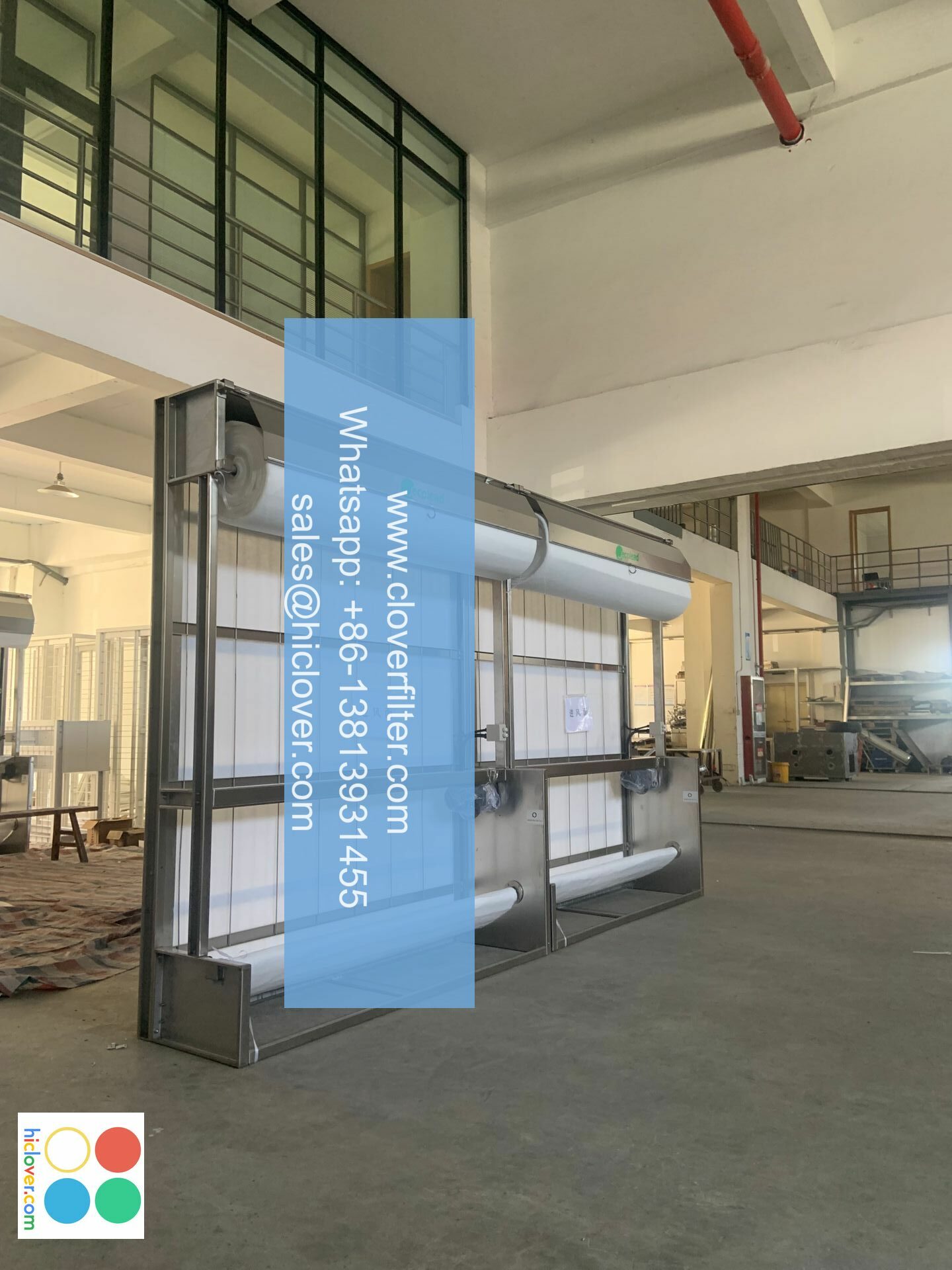
- Automatic Roll Air Filters can improve efficiency and reduce maintenance.
- Choosing the right air filter size can enhance air quality and energy savings.
- Ensuring correct filter selection aids in compliance with industry standards.
- Familiarize yourself with various air filter types and their applications.
- Air Quality: Larger or inappropriate filters may lead to ineffective particulate control.
- Energy Efficiency: Filters not designed for specific airflows can cause unnecessary pressure drops, leading to increased energy costs.
- System Longevity: Proper fit prevents debris bypass, extending the life of HVAC equipment.
- Airflow Range: Match filter capacity to required airflow for the HVAC system.
- Face Velocity: Ensure the filter can handle the system’s face velocity without excessive pressure drop.
- Media Width/Length: Select dimensions that fit designated filter slots; standard sizes range from 12″x20″ to 24″x48″.
- Frame Size: Choose a frame that matches the installation space; consider different frame depths as well.
- Control Options: Look for filters with automatic or manual control settings.
- Power Supply: Some filters may require electrical connections for operation, ensure compatibility with existing systems.
- Installation Location: Determine if the filter will be used in the fresh air intake, return air, or process air applications.
- Ignoring Airflow Requirements: Always calculate required airflow before selecting filter sizes to avoid inefficiencies.
- Overlooking Differential Pressure: Monitor differential pressure early and often to determine maintenance needs.
- Using Incorrect Dimensions: Ensure precise measurements in air filter sizes to prevent bypass.
- Neglecting Filter Type Suitability: Different applications require tailored solutions; use appropriate filters for specific functions.
- Failing to Assess MERV Ratings: Choose filters based on particle control needs reflected in appropriate MERV ratings.
- Skimping on Maintenance Checks: Regular checks are essential regardless of filter type selected.
- Not Considering Energy Efficiency: Opt for filters that minimize pressure drops to save on energy costs.
- Overlooking Compliance Requirements: While ISO 16890 and MERV standards can guide choices, verify actual certifications as required.
-
Data Center: An automatic roll air filter is installed to maintain continuous airflow while controlling particulate contamination. The system, combined with smart monitoring, minimizes downtime by notifying when filter changes are due.
-
Battery Factory: In a lithium battery production environment, high dust generation necessitated the adoption of efficient filters. The automatic roll air filter consistently advanced new media, effectively managing air quality and reducing unwanted contaminants.
-
Paint Shop: Implementing a roll air filter ensured that harmful substances and vapors were filtered effectively, improving worker safety and compliance with environmental regulations.
-
Textile/Steel/Cement Plant: In environments where gritty particles can obstruct operations, the automatic roll air filter significantly reduced maintenance time while ensuring the machinery remained protected against damage.
What is an Automatic Roll Air Filter?
An Automatic Roll Air Filter is a cutting-edge solution designed for HVAC systems, featuring advanced roll media that delivers continuous filtration. By utilizing a roll advance logic, these filters can automatically feed fresh media as the collected particles accumulate, ensuring a consistent filtration performance. The system operates with a differential pressure trigger, indicating when to replace the filter material, thus minimizing downtime and unnecessary maintenance. This makes it suitable for various applications, including fresh air intake, return air, and process air systems within HVAC and AHU setups.
Understanding Air Filter Sizes
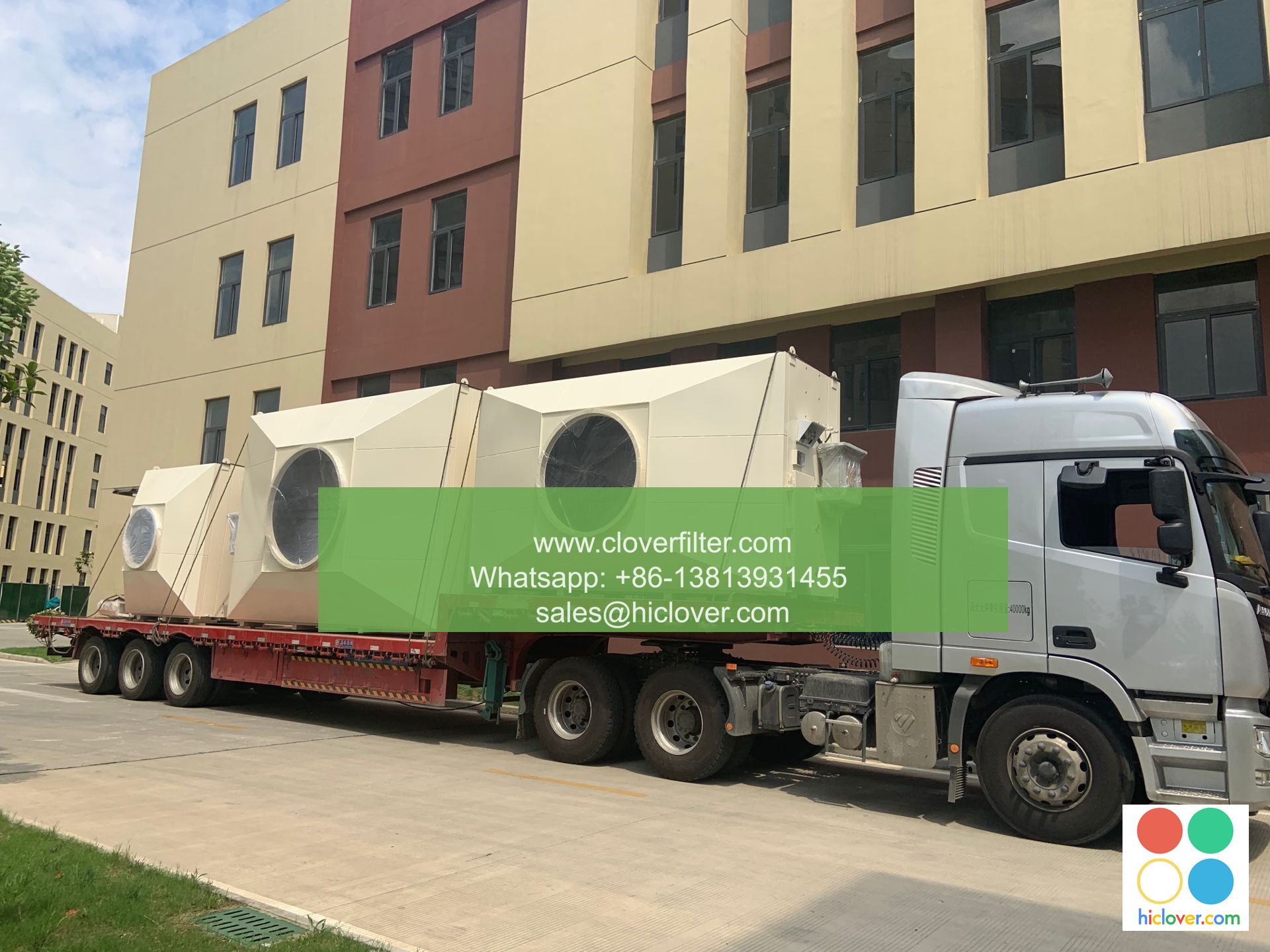
Air filter sizes play a pivotal role in the overall efficiency of HVAC systems. Factors such as airflow rate, face velocity, and the specific application determine what size filter is appropriate. With precise dimensions, the filter can be installed seamlessly into the designated HVAC systems, promoting the effective control of airborne particles and ensuring optimal air quality.
The Importance of Choosing the Right Air Filter Sizes
Selecting the correct air filter sizes is crucial for several reasons:
Ensuring the right fit can significantly impact operational efficiency and compliance with industry guidelines.
Practical Selection Guide for Air Filter Sizes
When choosing air filter sizes, consider the following parameters:
Automatic Roll Air Filter vs. Other Filter Types
| Filter Type | Best Use Case | Maintenance | Pressure Drop Behavior | Operating Cost | Typical Risk/Downside |
|---|---|---|---|---|---|
| Automatic Roll Filter | High-traffic areas and constant filtration needs | Low (auto-advance) | Low | Moderate | Initial setup complexity |
| Bag Filter | General use in less critical areas | Moderate | Moderate | Low | Limited filtration area |
| Panel Filter | Cost-effective for low airflow needs | High | High | High | Frequent replacements |
| V-bank | High-efficiency requirements | Moderate | Low | Moderate | Larger footprint |
Common Mistakes & How to Avoid Them
Real-World Scenarios
FAQ Section
Q1: How do I determine the right air filter size for my HVAC system?
You need to consider airflow requirements, the specific application, and the dimensions of your current air intake slots.
Q2: Can the Automatic Roll Air Filter reduce maintenance needs?
Yes, its automatic media advancement reduces the frequency and complexity of maintenance tasks.
Q3: What are MERV ratings, and why do they matter?
MERV ratings indicate a filter’s effectiveness at trapping airborne particles, which directly influences air quality.
Q4: Are there energy-saving benefits associated with proper filter selection?
Definitely! Properly sized filters minimize pressure drops, which can significantly lower energy consumption.
Q5: Where should I install my air filters in an HVAC system?
Air filters should be strategically placed in fresh air intakes, return ducts, or process air streams based on your specific application.
Q6: What is the difference between ISO 16890 and MERV?
ISO 16890 provides a more comprehensive assessment of air filters based on particle size, while MERV is a legacy system that categorizes filters based on their filtering efficiency.
Meta Description: Discover how specific air filter sizes impact HVAC systems. Learn about Automatic Roll Air Filters and find practical filtration solutions for your facility.
For more insights on air filtration solutions, connect with CloverFilter at CloverFilter Contact.
It seems you might have forgotten to provide a specific prompt or question. How can I assist you today? If you have a topic in mind or need help with something particular, feel free to share!
