Expert Advice: Troubleshooting Common Issues with Automatic Roll Air Filters in Amazon Toronto’s Warehouse
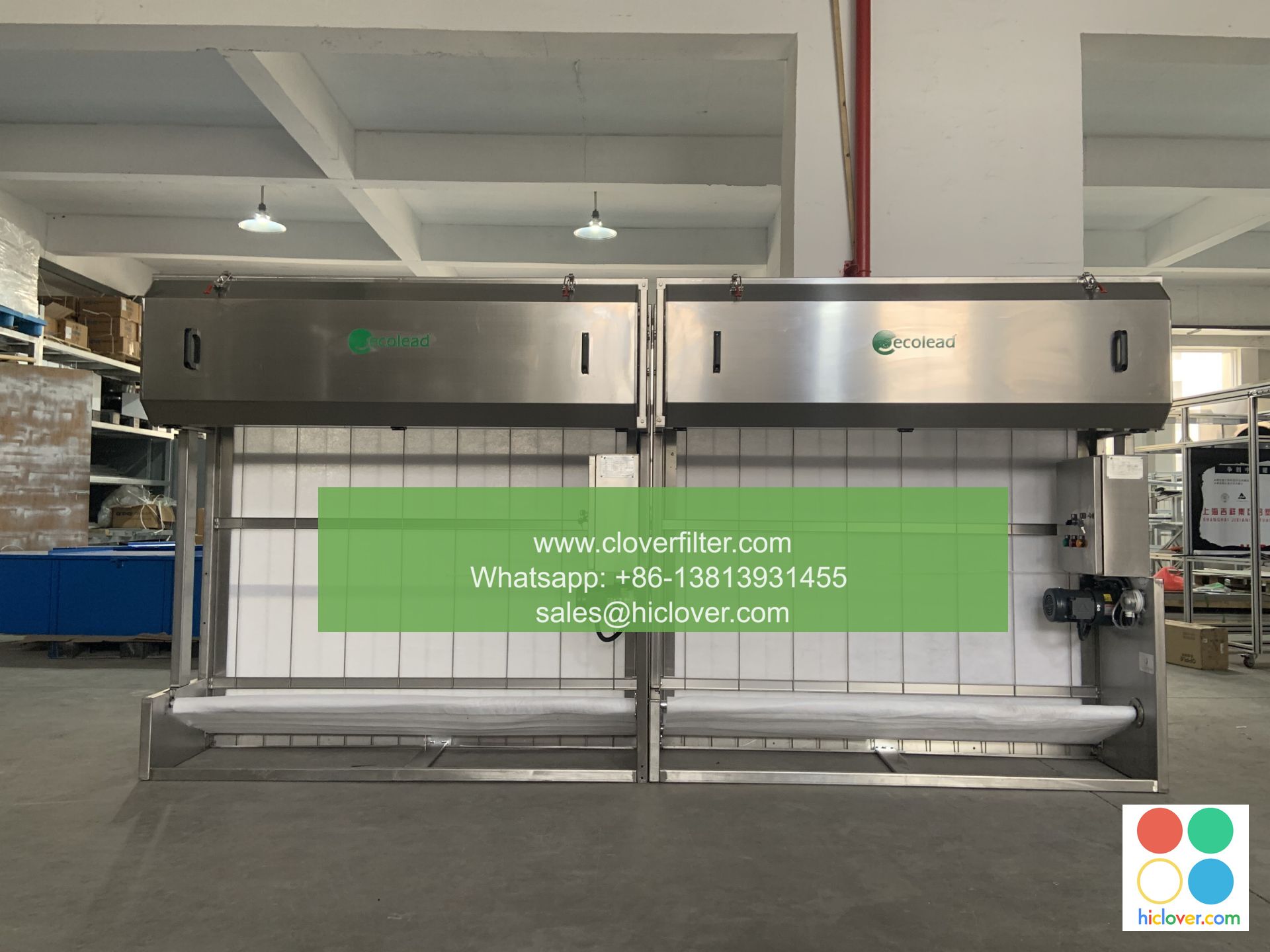
In any bustling warehouse environment such as Amazon’s Toronto facility, maintaining optimal air quality is essential to ensure the health of employees and the longevity of equipment. Automatic roll air filters serve as a vital component in achieving this goal. However, like any mechanical system, they can encounter issues that may affect their efficiency and performance. This article provides expert advice on troubleshooting common issues with automatic roll air filters, offering insights into various applications and best practices.
Understanding Automatic Roll Air Filters

Automatic roll air filters are designed to streamline air filtration processes, rolling the filter material onto a spool as it becomes dirty and replacing it automatically when the filter reaches its capacity. This technology improves air quality while minimizing manual labor for maintenance teams. However, several factors can contribute to performance hiccups.
Common Issues with Automatic Roll Air Filters
1. Clogging and Reduced Airflow
One of the most prevalent issues faced in warehouses is clogging. Dust, debris, and particulates present in the environment can accumulate on the filter media, leading to reduced airflow.
Troubleshooting Tip: Regularly inspect the filters and clear any visible obstructions. Establish a routine maintenance schedule based on air quality metrics and storage activity levels. Consider using a predictive maintenance approach with airflow sensors to detect drop-offs before they become critical.

2. Inconsistent Roll Mechanism
Automatic roll air filters rely on a precise mechanism to advance the filter material. Malfunctions can lead to uneven roll or complete stoppage.
Troubleshooting Tip: Check for motor function and ensure that there are no physical blockages or misalignments. Lubricate moving parts as needed, and regularly calibrate the system’s sensors to ensure accurate operation.
3. Incorrect Filter Selection
Inappropriately selected filters can result in suboptimal air quality or excessive strain on the system, leading to frequent failures.
Troubleshooting Tip: Analyze the specific needs of your warehouse environment, considering factors like dust levels, operational processes, and compliance standards. Work with a filtration expert to select the appropriate filters that meet particulate size requirements and air cleanliness standards.
4. Electrical Failures
Automatic roll air filters depend heavily on electrical systems. Power surges or failures can incapacitate the unit.
Troubleshooting Tip: Conduct thorough checks on wiring, connections, and circuit breakers. Implement surge protectors to shield the equipment from unexpected fluctuations and regularly test the electrical systems.
Maintaining Optimal Performance
To prevent issues with automatic roll air filters, it’s crucial to prioritize preventive and advanced maintenance. Here are a few best practices:
- Routine Inspections: Schedule regular monthly inspections to check filter status and mechanical components.
- Data Monitoring: Utilize IoT technology to monitor air quality and filter performance in real-time for timely interventions.
- Employee Training: Ensure that warehouse staff is trained on the functionality and importance of automatic roll air filters. Empower them to recognize early signs of operational issues.
Application Areas and Benefits
Automatic roll air filters find widespread applications in various settings, including:
- Shipping and Receiving Zones: Maintain air purity where valuable items are handled.
- Packaging Areas: Protect products from airborne contaminants during packing operations.
- Ambient Storage Warehouses: Safeguard items from dust and particulate accumulation in stored goods.
The benefits of maintaining efficient automatic roll air filters extend beyond air quality. Improved filtration can lead to enhanced worker productivity, reduced equipment downtime, and compliance with health and safety regulations.
Conclusion
Automatic roll air filters play a pivotal role in ensuring that air quality remains at optimal levels in Amazon’s Toronto warehouse and other facility. By understanding common issues and employing expert troubleshooting techniques, facilities can maintain high operational standards and foster a safer working environment. Regular maintenance, proper monitoring, and employee training ensure that these advanced systems continue to function at their best, ultimately contributing to the overall efficiency of warehouse operations.
This article has highlighted the troubleshooting strategies for common automatic roll air filter issues, offering valuable insights into their importance in various applications within a high-traffic warehouse setting. By addressing these common challenges, you can significantly enhance the performance and longevity of your air filtration systems.
