Understanding MERV Ratings: What Materials Matter?
- MERV ratings determine air filter efficiency.
- Air filter materials significantly impact performance.
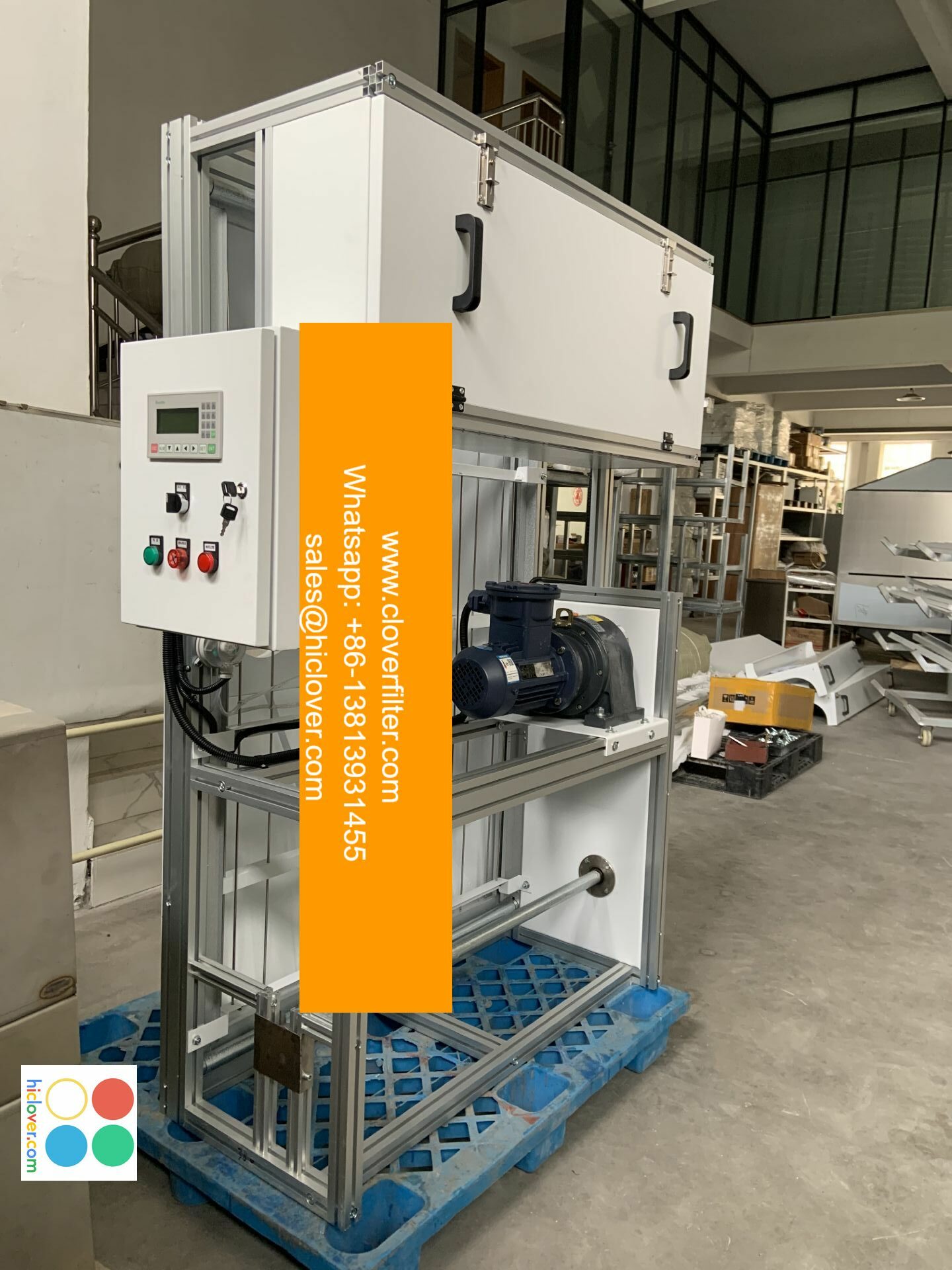
- Automatic Roll Air Filters optimize maintenance and energy savings.
- Different environments require specific filter configurations.
- Understand common mistakes in filter selection to avoid costly errors.
- Airflow Range: Consider the volume of air needing filtration.
- Face Velocity: Identify the speed at which air flows through the filter.
- Media Width/Length: Ensure it fits the space available in your HVAC system.
- Frame Size: Compatibility with existing setups is essential for easy installation.
- Control Options: Assess whether manual or automated controls suit your operations better.
- Power Supply: Determine the energy requirements for operating the filter.
- Installation Location: Decide if the filter will be placed at fresh air intake, return, or process positions.
- Overestimating filter longevity: Understand the specific requirements of your environment.
- Neglecting airflow needs: Always confirm the airflow specifications before selection.
- Choosing the wrong installation location: Ensure compliance with system designs.
- Ignoring pressure drop considerations: Analyze how the filter affects overall system efficiency.
- Failing to consider maintenance needs: Regular maintenance can reduce costs over time.
- Underestimating material quality: Invest in high-quality air filter materials for better performance.
- Skipping expert consultation: Leverage resources from experts like CloverFilter to improve your selection process.

What is an Automatic Roll Air Filter?
An Automatic Roll Air Filter is a type of filtration system designed for various industrial applications, efficiently managing air variability in environments such as factories, cleanrooms, and data centers. The system utilizes a roll media advance logic that automatically extends the filter material as it gets dirty, triggered by a differential pressure sensor. This dynamic operation ensures that the system provides ongoing filtration without requiring constant manual intervention.
When integrated into HVAC and AHU systems, these filters are typically used for fresh air intake, ensuring that a clean air supply is maintained without excessive energy use. By incorporating timer modes and control options, they adapt to the operational needs of the facility, making them an ideal choice for environments that demand consistent air quality.
Understanding Air Filter Materials
When considering air filtration solutions, the type of air filter materials used plays a critical role in determining the overall effectiveness and efficiency of the system. Filters may be constructed from various materials, including synthetic fibers, fiberglass, and metal meshes. Each of these brings unique advantages and disadvantages, with implications for airflow resistance, lifespan, and particulate control.
Choosing the right air filter materials ensures optimal performance in applications ranging from hospitals to industrial plants. For instance, a filter crafted from high-efficiency synthetic media can significantly enhance the capture of small particles, which is crucial in cleanroom environments.
Practical Selection Guide
Selecting the right Air Filter materials involves evaluating several key factors:
By understanding these elements, procurement managers and facility engineers can make informed decisions tailored to their specific operational environments.
Comparison of Air Filter Types
Here’s a practical comparison of different air filtration systems to aid in your selection process:
| Filter Type | Best Use Case | Maintenance | Pressure Drop Behavior | Operating Cost | Typical Risk/Downside |
|---|---|---|---|---|---|
| Automatic Roll Air Filter | Variable air quality control | Low, automatic change | Low to Moderate | Moderate, energy efficient | Fine particulate loss over time |
| Bag Filter | High particulate loads | Moderate | Moderate | Lower initial cost | Requires more space |
| Panel Filter | Residential applications | High | Low | Low initial cost | Limited lifespan |
| V-bank Filter | Industrial process air | Moderate to High | Low | Moderate | Bulky, needs significant space |
Common Mistakes & How to Avoid Them
Here are some common missteps in air filtration selection and how to circumvent them:
Real-World Scenarios
Data Center
A data center recently integrated CloverFilter’s Automatic Roll Air Filter to maintain optimal air quality and temperature control. By employing these filters at the fresh air intake, they effectively minimized dust and other particulates, ensuring data integrity and equipment longevity.
Lithium Battery Factory
A lithium battery manufacturer faced challenges with airborne contaminants affecting their production. By switching to an Automatic Roll Air Filter, they achieved better control of particulate matter, significantly improving both worker safety and product quality.
Paint Shop
In a paint shop, overspray and particulate contamination were major concerns. By utilizing an Automatic Roll Air Filter, the facility benefitted from enhanced air quality and reduced maintenance needs, resulting in increased operational efficiency.
Textile and Cement Plants
For textile and cement plants, where strenuous working conditions prevail, CloverFilter’s system provided an effective solution for controlling airborne particulates. Implementing these filters reduced emissions and improved the working environment for employees.
Frequently Asked Questions
Q1: What does MERV stand for?
MERV stands for Minimum Efficiency Reporting Value, a standard for measuring filter efficiency in removing particles.
Q2: How often should filters be changed?
Filter replacement frequency varies based on usage, facility type, and air quality; regular monitoring of differential pressure can guide replacements.
Q3: Can I use an Automatic Roll Air Filter in all HVAC systems?
These filters are versatile but should be assessed for compatibility with existing system designs before installation.
Q4: What is the expected lifespan of an Automatic Roll Air Filter?
Lifespan depends on air quality but typically ranges from 6 months to 2 years.
Q5: Are CloverFilter products compliant with industry standards?
CloverFilter products are designed to meet general industry frameworks such as ISO 16890 and MERV ratings; specific certifications can be requested.
Q6: How does air filter material affect efficiency?
Different materials filter particles of various sizes and types; selecting the right one ensures better air quality and system performance.
Key Takeaways
Understanding MERV ratings and selecting the appropriate air filter materials are critical for ensuring optimal air quality in industrial settings. Consider the specific needs of your facility and the type of contaminants present, and consult with experts like CloverFilter for the best solutions.
For any inquiries regarding your air filtration needs, visit CloverFilter at https://www.cloverfilter.com/contact/.
Meta Description: Explore MERV ratings and air filter materials to optimize filtration systems for commercial and industrial applications with CloverFilter’s Automatic Roll Air Filter solutions.
It seems like your message got cut off. Could you please provide more details or clarify what you would like to know or discuss? I’m here to help!
