The Relationship Between Air Filter Dimensions and Performance
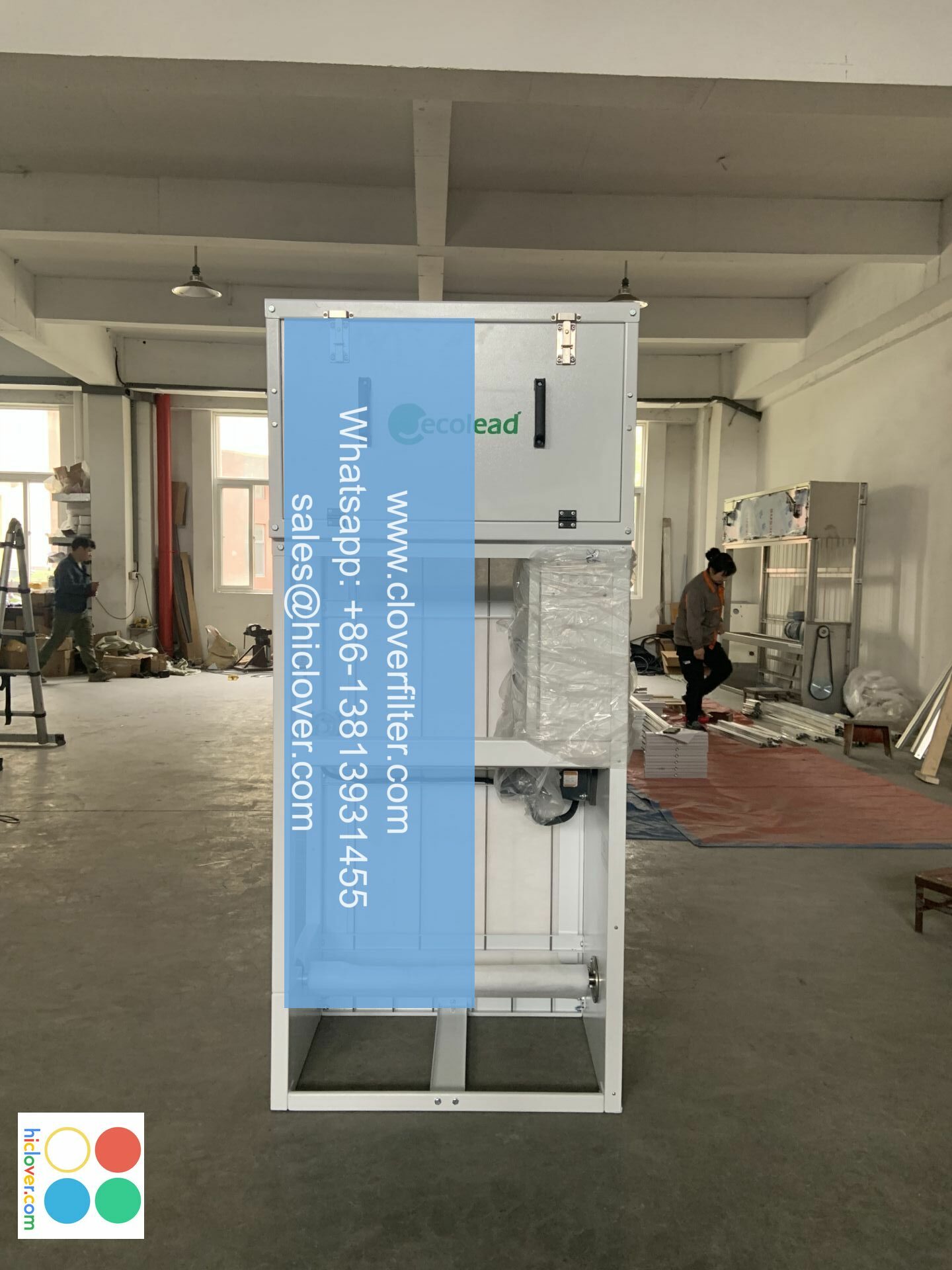
Key Takeaways:
- Air filter dimensions significantly impact airflow efficiency and system performance.
- An Automatic Roll Air Filter offers advanced features like roll media advancement and differential pressure triggering.
- Proper selection of air filter dimensions is crucial for optimal filter performance.
- Understanding the interplay between filter size and frame integration helps reduce maintenance costs.
- Compliance with standards like MERV and ISO 16890 can guide the selection process.
-
Airflow Range: Different applications have varying airflow requirements. Selecting dimensions that match these needs ensures adequate circulation without excessive pressure drops.
-
Face Velocity: Proper face velocity is crucial for effective filtration. If the dimensions cause a velocity that is too low, it may not capture particles effectively; too high, and it may lead to increased wear and tear.
-
Media Width/Length: The dimensions of the filter media contribute to its lifespan and efficiency. Adequate length ensures more surface area for particulate capture, prolonging the time between replacements.
-
Frame Size: The filter frame’s dimensions must align with the installation space. Precision in this aspect ensures proper sealing and system integration.
-
Control Options: Depending on the dimensions, filters can be integrated with various control systems that optimize performance based on particulate load.
-
Power Supply: Certain air filters may require unique power configurations. Ensuring compatibility from the onset is vital for operational reliability.
-
Installation Location: Dimensions must correspond to where the filter will be installed—whether at fresh air intake, return, or process points to maximize effectiveness.
-
Ignoring Filter Specifications: Ensure that the selected air filter dimensions match the required specifications for the application.
-
Underestimating Airflow Needs: A common oversight is choosing a filter that cannot handle the desired airflow rate, leading to reduced efficiency.
-
Neglecting Pressure Drop Calculations: Always consider how different dimensions will affect pressure drop across the system.
-
Overlooking Media Quality: Choose filters with media that meet necessary standards (like MERV or ISO 16890) based on the expected particulate load.
-
Inadequate Frame Selection: Ensure the frame’s dimensions are compatible with existing systems to avoid integration issues.
-
Skipping Maintenance Planning: Prepare a maintenance schedule based on the filter dimensions and the expected dirt load.
-
Not Considering Operational Context: Installation location can greatly affect performance; avoid dimensions that don’t suit the physical constraints of the area.
-
Data Center: A leading data center optimized their HVAC system using Automatic Roll Air Filters. The precise air filter dimensions allowed for consistent airflow while minimizing energy consumption—resulting in significant cost savings.
-
Battery Factory: In a lithium battery manufacturing facility, properly sized filters helped control particulate exposure. The Automatic Roll Air Filter’s dimensions enabled effective particulate control without escalating production downtime.
-
Paint Shop: A large paint booth implemented CloverFilter solutions, improving the air quality and compliance with environmental standards by selecting the appropriate air filter dimensions suited for volatile organic compounds (VOCs).
-
Textile and Steel/Cement Plants: Both industries witnessed improved efficiency in their production lines due to integrated filters that matched air filter dimensions with operational requirements, leading to higher air quality and reduced maintenance.
-
What are the standard air filter dimensions available?
- Air filter dimensions can vary greatly based on manufacturer specifications and application needs. Common sizes include 20×20, 24×24, and custom specifications as required.
-
How does the size of the air filter affect air quality?
- Appropriate air filter dimensions lead to optimized airflow and enhanced filtration, which improves air quality by capturing harmful particulates.
-
What is the role of differential pressure in filter performance?
- Differential pressure helps gauge when a filter should be replaced. High pressure indicates the filter is laden with contaminants and less efficient.
-
Can I use a standard filter size in a customized system?
- While standard dimensions can fit many systems, custom sizes provide better performance in unique settings.
-
What are the benefits of using an Automatic Roll Air Filter?
- Automatic Roll Air Filters minimize downtime, improve operational efficiency, and maintain consistent air quality, thanks to features like media advancement and differential pressure triggering.
-
How do I evaluate the right filter for my facility?
- Assess the airflow needs, expected particulate load, and space constraints to determine the best filter dimensions tailored for your specific application.

Understanding Automatic Roll Air Filters
An Automatic Roll Air Filter is an innovative solution designed to enhance air quality in various industrial settings. It utilizes a roll media advancement logic that allows the filter to operate efficiently over extended periods. As the filter becomes loaded with particulate matter, a differential pressure trigger activates the roll system to deliver fresh filter media automatically. This ensures consistent performance while minimizing manual intervention.
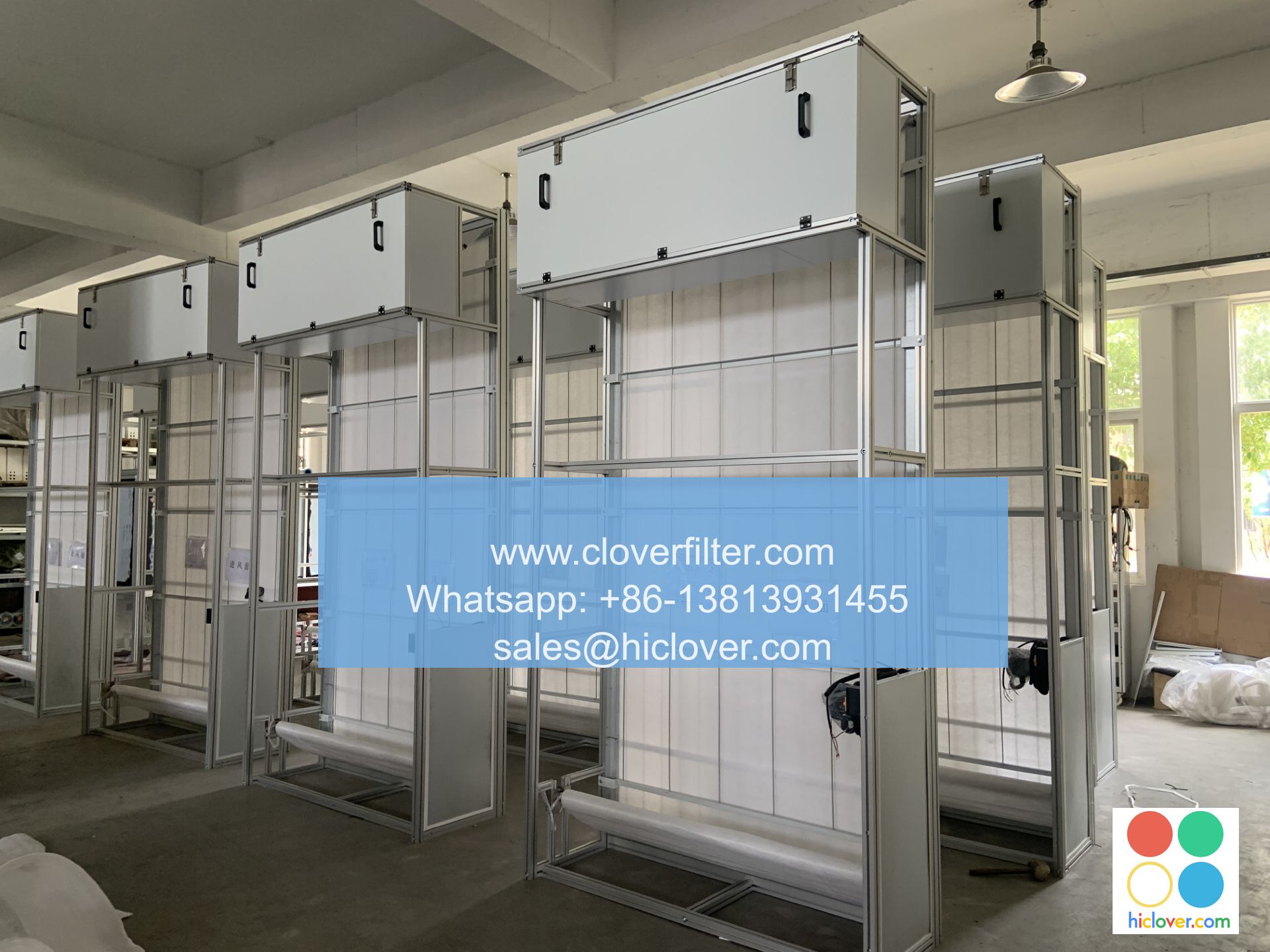
These filters fit seamlessly into HVAC and Air Handling Unit (AHU) systems, serving as vital components for maintaining fresh air intake and enhancing indoor air quality in cleanrooms, data centers, and manufacturing facilities.
Air Filter Dimensions and Performance
Understanding air filter dimensions is pivotal to optimizing performance in HVAC systems. The size of a filter not only affects airflow but also has implications for pressure drop, efficiency, and overall energy consumption. Choosing the right dimensions can lead to improved performance and reduced operational costs.
Key Factors in Air Filter Dimensions
Comparison of Air Filters
| Filter Type | Best Use Case | Maintenance | Pressure Drop Behavior | Operating Cost | Typical Risk/Downside |
|---|---|---|---|---|---|
| Automatic Roll Air Filter | High particulate environments | Low | Consistent with media | Medium | Complexity in operation |
| Bag Filter | General industrial applications | Medium | Moderate | Low | Requires more space |
| Panel Filter | Light-duty applications | High | Low | High | Shorter lifespan |
| V-bank Filter | Space-restricted environments | Medium | Variable | Medium | Potential for airflow bypass |
Common Mistakes & How to Avoid Them
Real-World Scenarios
FAQ Section
Conclusion
The relationship between air filter dimensions and performance is critical for optimizing HVAC systems. By understanding how these dimensions affect various parameters like airflow, pressure drop, and maintenance requirements, facilities can significantly improve air quality and reduce operational costs. CloverFilter offers a range of Automatic Roll Air Filters that can be customized to meet specific needs, ensuring both optimal filtration and energy efficiency.
For detailed guidance on selecting the right air filter dimensions for your operations, feel free to reach out to CloverFilter or explore our contact page.
Meta Description: Discover how air filter dimensions impact performance, ensuring optimal efficiency and air quality in your HVAC systems with CloverFilter solutions.
It seems like your message might be incomplete or missing some details. Could you please provide more context or specify what kind of prompt you’re looking for? Whether it’s for writing, brainstorming ideas, or something else, I’m here to help!
