Smart Air Filter Systems: The Future of Air Quality Management
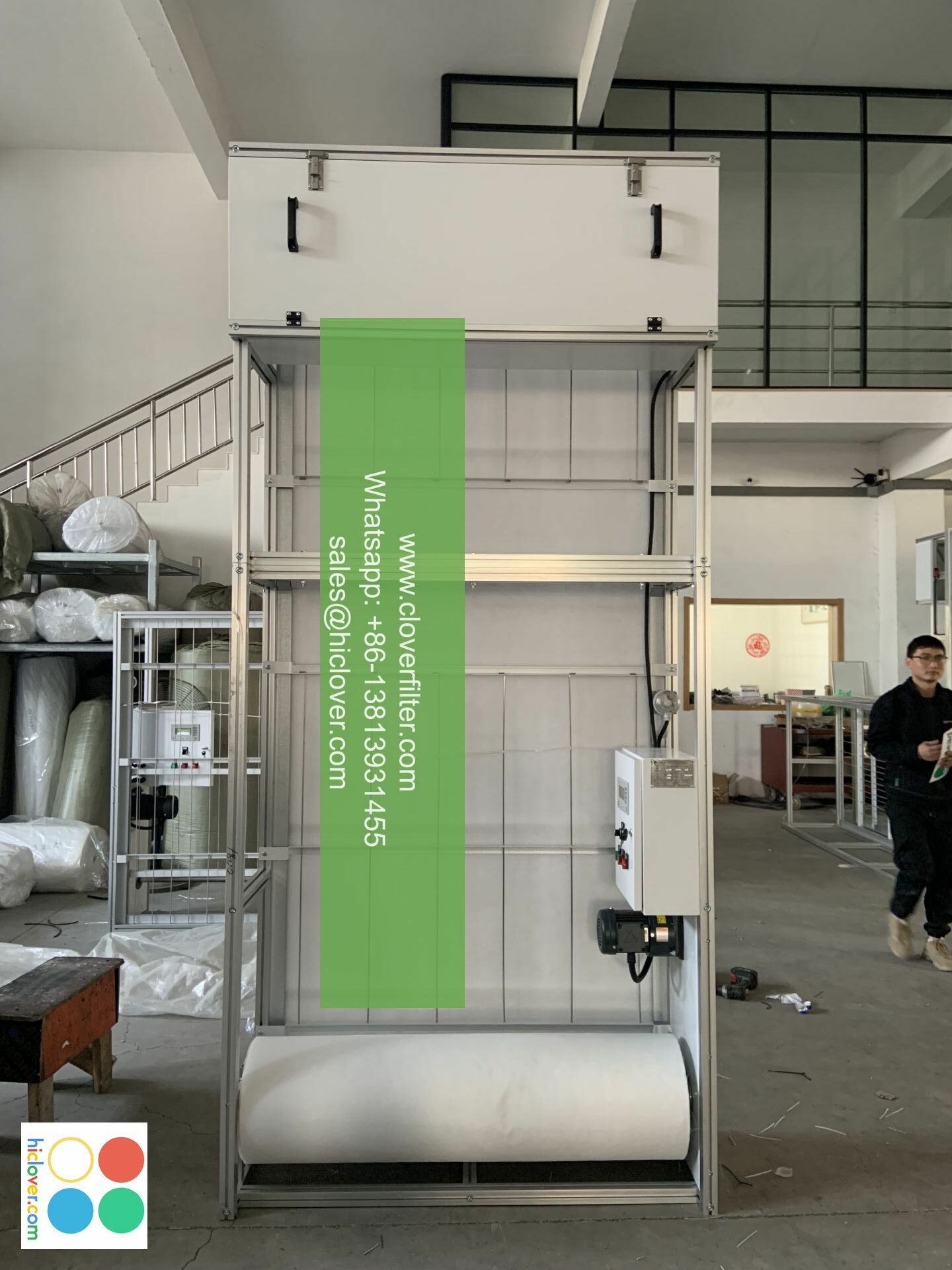
- Key Takeaways:
- Smart air filter systems optimize indoor air quality through advanced automation.
- The Automatic Roll Air Filter features roll media with differential pressure activation.
- Effective in diverse environments such as data centers, cleanrooms, and factories.
- Reduces maintenance needs while enhancing energy efficiency.
- Suitable for various HVAC/AHU configurations to manage fresh air intake and particulate control.
- Compliance with International standards like ISO 16890 is available upon request.
Understanding Automatic Roll Air Filter Systems

Automatic Roll Air Filter systems represent a significant advancement in air quality management. Leveraging roll media, these systems provide continuous filtration with minimal manual intervention. The main feature of the Automatic Roll Air Filter is its unique mechanism of operation.
As the media becomes laden with contaminants, it triggers a differential pressure sensor that activates a roll media advance logic. This process ensures that your air filter systems are always optimized for peak performance. Additionally, a timer mode can be programmed to periodically advance the media, maintaining airflow without compromising air quality.
These filters fit seamlessly into various HVAC and Air Handling Unit (AHU) systems, enhancing fresh air intake while ensuring particulate control.
Practical Selection Guide for Air Filter Systems
When selecting an air filter system such as the Automatic Roll Air Filter from CloverFilter, consider the following factors:

- Airflow Range: Assess the required cubic feet per minute (CFM) based on your facility’s needs.
- Face Velocity: Understand typical face velocities for efficiency and compatibility with existing ducts.
- Media Width/Length: Choose according to your AHU specifications to ensure proper fitment.
- Frame Size: Ensure the frame can accommodate installation space and maintenance practices.
- Control Options: Evaluate automated features like differential pressure alarms to monitor performance.
- Power Supply: Determine if your systems will benefit from direct connections or battery back-ups.
- Installation Location: Identify optimal spots for installation, such as fresh air intakes, return ducts, or processing areas.
Comparison Table of Air Filter Systems
Here’s how the Automatic Roll Air Filter compares against other popular options:
| Filter Type | Best Use Case | Maintenance | Pressure Drop Behavior | Operating Cost | Typical Risk/Downside |
|---|---|---|---|---|---|
| Automatic Roll Air Filter | High-contaminant areas | Low; self-maintaining | Moderate to High | Moderate | Media cost; potential system upgrade needed |
| Bag Filter | General industrial use | Moderate; periodic changes | Moderate | Low to Moderate | Limited dust holding capacity |
| Panel Filter | Office or light duty | High; frequent replacements | Low to Moderate | High | More frequent changes necessary |
| V-bank | Heavy-duty applications | Moderate; manual cleaning | High | High | Space required for maintenance |
Common Mistakes & How to Avoid Them
- Incorrect Sizing: Ensure the filter fits your system’s airflow requirements.
- Neglecting Maintenance Needs: Follow the maintenance schedule even with automatic systems.
- Ignoring Pressure Drop: Regularly monitor for high pressure to maintain efficiency.
- Improper Installation: Engage professionals to install your air filter systems.
- Not Considering Replacement Media: Have replacement options on hand to avoid downtime.
- Outdated Technology: Invest in systems that incorporate the latest air quality monitoring.
- Overestimating Filter Lifespan: Be realistic about how long filters can effectively clean the air.
- Neglecting Compliance Standards: Be aware of ISO and MERV suggestions to guide your selection without claiming specific certification unless stated.
- Inadequate Monitoring: Use sensors to track air quality and filter performance in real time.
- Overlooking Energy Efficiency: Calculate energy savings to ensure long-term operational cost benefits.
Real-World Scenarios
-
Data Center: A major data center implemented the Automatic Roll Air Filter to maintain stringent particulate control and reduce downtime associated with filter changes. The automated system minimized human error and consistently maintained a high standard of air quality.
-
Battery Factory: In a lithium battery plant, the system helped manage contaminants released during production. The Automatic Roll Air Filter operated efficiently under varying loads, reducing the risk of contamination and enhancing worker safety by maintaining a clean environment.
-
Paint Shop: In a paint booth environment, control of volatile organic compounds (VOCs) was critical. The roll filter effectively captured particulates without significant pressure drops, allowing for uninterrupted airflow and efficient paint application.
-
Textile/Steel/Cement Plants: These heavy industries face severe dust and particulate management challenges. By integrating the CloverFilter Automatic Roll Air Filter, they enhanced air quality and compliance with industry standards while saving on energy costs through improved efficiency.
Conclusion
Incorporating smart air filter systems like the CloverFilter Automatic Roll Air Filter is essential for businesses seeking to optimize indoor air quality. These advanced systems assure lower energy consumption, reduced maintenance, and negligible downtime—all while ensuring compliance with industry standards.
For tailored solutions and more information on how CloverFilter can enhance your air quality management, visit CloverFilter or get in touch through our contact page.
Meta Description: Discover how smart air filter systems like the Automatic Roll Air Filter revolutionize air quality management in various industries.
It seems like you might be looking to start a conversation or prompt a specific topic. Could you please provide more details or clarify what you’re looking for? Whether it’s a writing prompt, a question, or a discussion topic, I’m here to help!
