Insights into Electrostatic Air Filters

Key Takeaways
- Automatic Roll Air Filters enhance air quality in diverse industrial applications.
- Electrostatic filters capture finer particulate matter, leading to cleaner environments.
- Integration into HVAC systems results in reduced maintenance and energy costs.
- Versatile installation options cater to various air handling units (AHUs).
- Compliance with industry standards like ISO 16890 helps assure filter performance.
- Proactive air filter services can drastically improve operational efficiency.
- Understanding filter selection criteria can streamline procurement processes.
- Roll Media Advance Logic: This is triggered when the system detects an increase in differential pressure, indicating that the filter is nearing saturation. The media automatically rolls forward, presenting a clean surface.
- Differential Pressure Trigger: This essential feature ensures that the filter operates efficiently. When the pressure levels reach a defined threshold, it signals the system to advance the media.
- Timer Mode: Users can program the filters to advance at predetermined intervals, allowing for consistent performance without manual intervention.
- Airflow Range: Assess the requirements for airflow in your specific application.
- Face Velocity: Find an optimal speed that balances filtration efficiency with pressure drop.
- Media Width/Length: Choose dimensions that fit your system’s filter housing.
- Frame Size: Ensure compatibility with installation points in your HVAC system.
- Control Options: Consider a system that offers flexibility in control to adapt to varying airflow conditions.
- Power Supply: Verify what power supplies are available to support the filter’s operation.
- Installation Location: Determine if the filter will be situated at the fresh air intake, return points, or process systems.
- Overlooking Airflow Requirements: Always tailor filter selection to specific airflow needs.
- Ignoring Maintenance Needs: Regular checks can prolong filter lifespan; don’t forget to inspect.
- Misestimating Heat Load: Consider potential heat loads that may affect filter efficiency.
- Underestimating Installation Complexity: Plan installation accordingly to avoid complications.
- Neglecting Compatibility with Existing Systems: Ensure filters fit seamlessly into your existing HVAC setup.
- Failing to Monitor Pressure Drops: Regularly gauge pressure drops to maintain optimal performance.
- Choosing Inadequate Media Quality: Invest in filters that meet the highest standards for efficiency.
- Skipping Professional Installation: When in doubt, consult with HVAC professionals for installation.
- Disregarding Environmental Factors: Take into account any potential contaminants in your specific environment.
- Not Consulting Industry Standards: Familiarize yourself with compliance guidelines for effective filtration.
-
Data Center: A major data center upgraded its HVAC system with CloverFilter’s Automatic Roll Air Filters. The result was a significant reduction in particulate contamination, improving equipment lifespan while cutting energy costs through efficient operation.
-
Battery Factory: This factory faced high dust levels from production. Implementing automatic roll filters helped manage indoor air quality, ensuring compliance with safety standards without compromising efficiency.
-
Paint Shop: High VOC levels posed a concern in a paint shop. Automatic Roll Air Filters effectively managed emissions while ensuring a cleaner work environment, leading to higher productivity and safety.
-
Textile/Steel/Cement Plants: An integration of CloverFilter’s technology resulted in consistent air quality control, reducing downtime and maintenance, thus optimizing operational continuity across the production line.
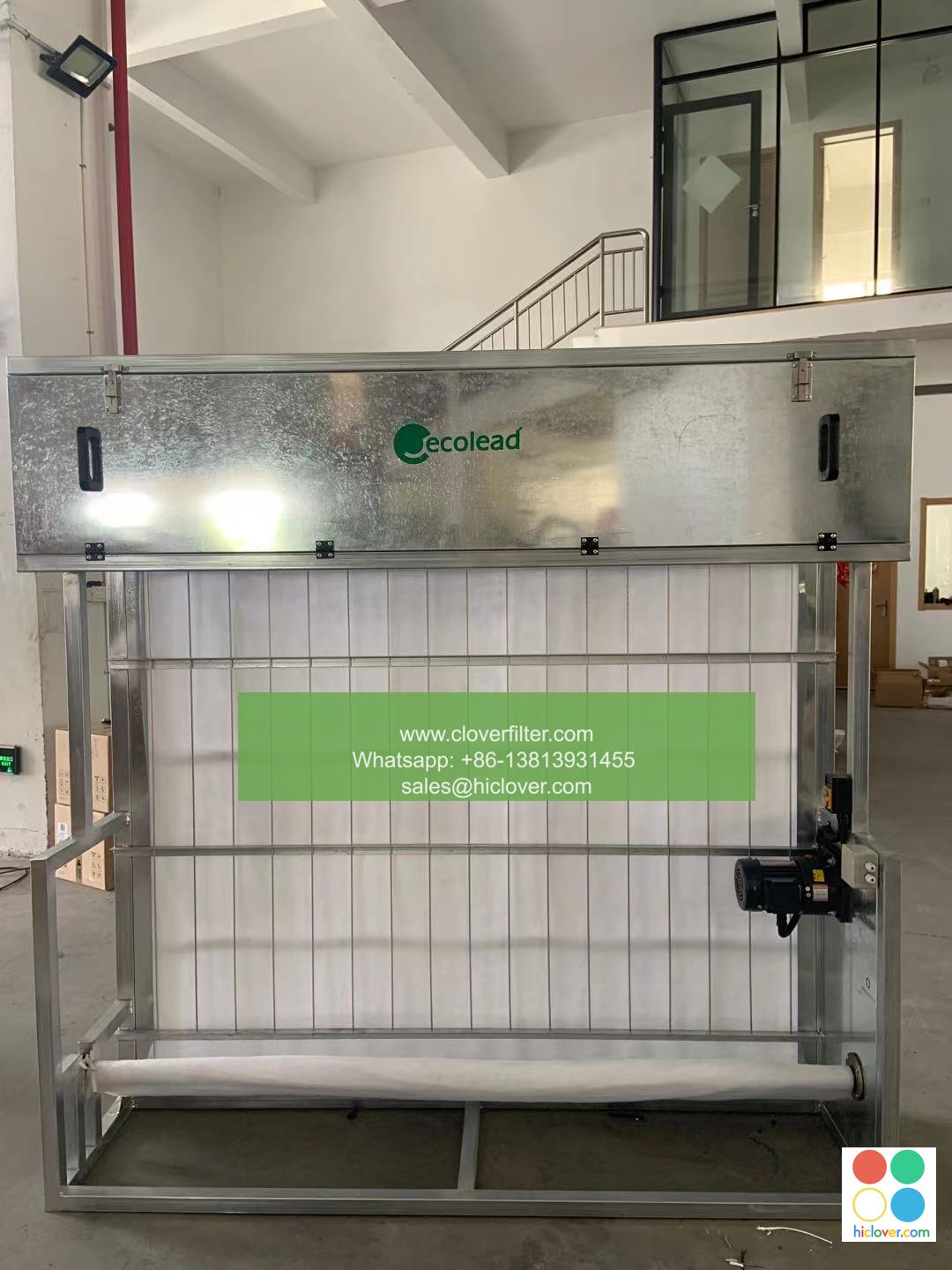
What is an Automatic Roll Air Filter?
An Automatic Roll Air Filter is an advanced air filtration solution designed to maintain optimal air quality by continuously rolling out fresh media. This technology employs a roll media advance logic, which allows the filter to automatically adjust to its surroundings. When differential pressure builds due to particulate accumulation, the filter system engages its timer mode to advance the filter media, ensuring uninterrupted filtration. This makes Automatic Roll Air Filters an ideal choice for a variety of HVAC applications, specifically in environments like factories, data centers, and hospitals.

Designed to act as an AHU prefilter or for fresh air intake, these filters seamlessly integrate into existing HVAC infrastructures, enhancing air filtration without compromising performance.
How Do Automatic Roll Air Filters Work?
Automatic Roll Air Filters rely on sophisticated mechanics that engage at pivotal moments:
Selection Guide for Automatic Roll Air Filters
Selecting the right Automatic Roll Air Filter involves multiple criteria:
Comparison Table: Types of Air Filters
| Filter Type | Best Use Case | Maintenance | Pressure Drop Behavior | Operating Cost | Typical Risk/Downside |
|---|---|---|---|---|---|
| Automatic Roll Air Filter | Variable airflow in industrial environments | Low | Stable | Moderate | Initial installation cost |
| Bag Filter | High dust load applications | Moderate | Medium | High | Limited access for replacement |
| Panel Filter | General-purpose HVAC applications | Low | High | Low | Shorter lifespan |
| V-bank Filter | High-efficiency zones | Moderate | Variable | Moderate | Space requirements |
Common Mistakes & How to Avoid Them
Real-World Scenarios
FAQ
Q1: What are the benefits of using electrostatic air filters?
A1: They capture smaller particles than conventional filters, enhancing overall air quality.
Q2: How do I determine the right size for my filter?
A2: Assess the airflow needs and dimensions of the HVAC system to find a compatible size.
Q3: What maintenance is required for Automatic Roll Air Filters?
A3: Regular checks for media advancement and pressure drop monitoring are essential for peak performance.
Q4: Can these filters help with energy savings?
A4: Yes, efficient air filtration can lead to lower energy consumption in HVAC systems.
Q5: Are there specific installation requirements?
A5: Installation generally requires adequate space and compatibility with existing HVAC components.
Q6: How do I know if I’m compliant with filtration standards?
A6: Consult product specifications for alignments to standards like ISO 16890 or MERV; documentation may be available upon request.
Q7: What kind of air filter services should I look for?
A7: Choose services that include installation, maintenance, and regular assessments to ensure your filters operate optimally.
Q8: Can Automatic Roll Air Filters be used in different environments?
A8: Yes, they are versatile and suitable for various settings, from hospitals to manufacturing plants.
Q9: Will my HVAC system be affected by filter replacements?
A9: If done correctly, there should be minimal disruption to the system’s operation during filter changes.
Q10: What is the typical lifespan of an Automatic Roll Filter?
A10: Lifespan may vary based on environmental factors, but most filters are designed for prolonged use with minimal maintenance.
Automatic Roll Air Filters represent a cutting-edge solution in air filtration, making them a smart choice for anyone involved in air filter services. With their innovative technology, they not only maintain excellent air quality but also deliver cost-effective maintenance solutions.
Meta Description: Discover insights into Automatic Roll Air Filters and how modern air filter services can improve air quality in various industrial applications.
For more tailored guidance on Automatic Roll Air Filters and to discuss your specific needs, reach out to CloverFilter today by visiting CloverFilter.
It seems like your message was cut off. Could you please provide more details or clarify what you would like assistance with?
