The Impact of Automatic Roll Air Filters on Research Lab Chemical Handling

In modern research laboratories, the challenges associated with chemical handling are growing due to increased regulations and the need for enhanced safety protocols. One significant advancement in this area is the implementation of automatic roll air filters. These filters play a crucial role in maintaining air quality and ensuring the safe handling of chemicals in various laboratory environments.
What are Automatic Roll Air Filters?

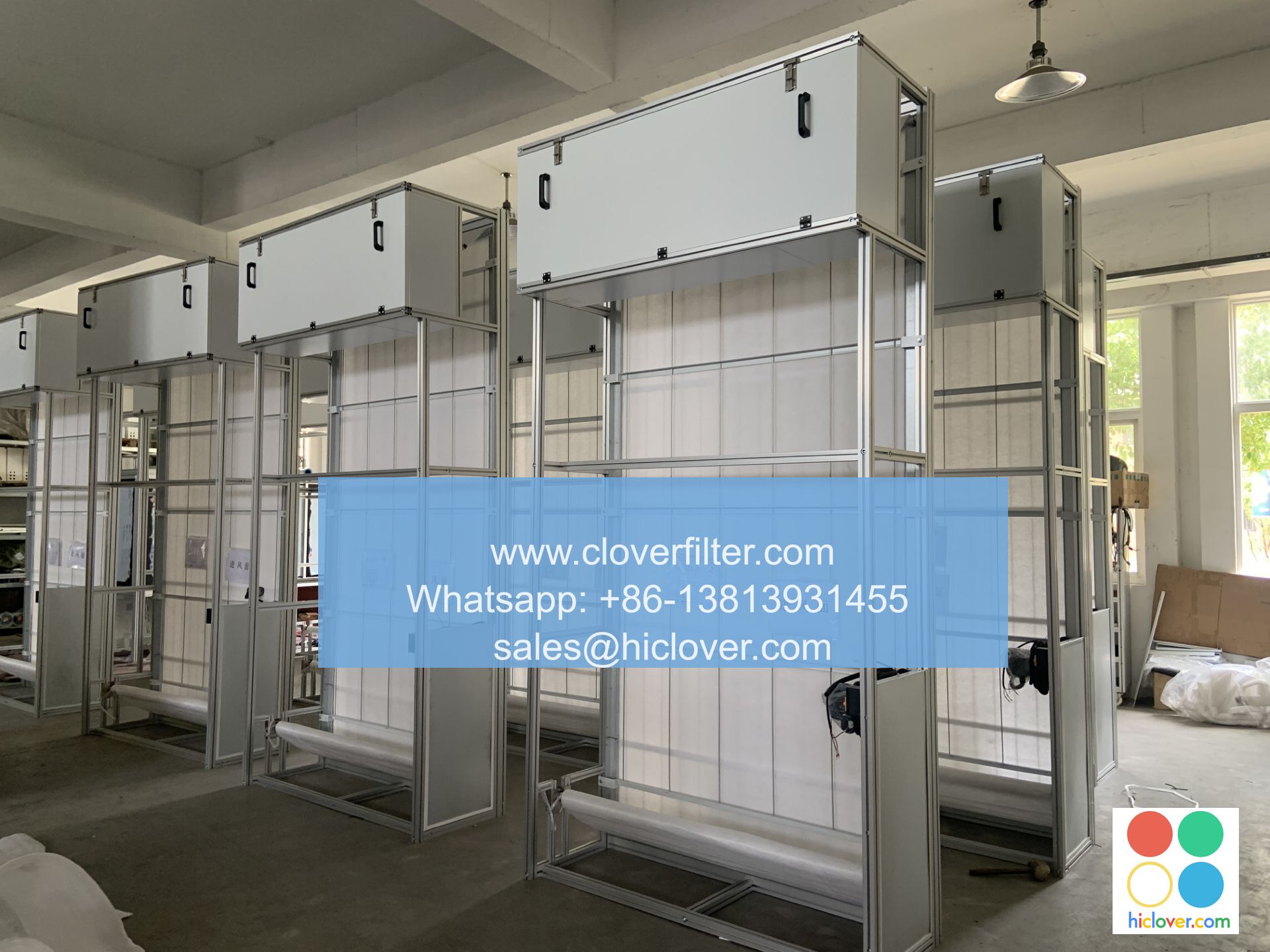
Automatic roll air filters are specialized filtration systems designed to continuously purify air by removing particulates, volatile organic compounds (VOCs), and other airborne contaminants. Utilizing a roll mechanism, these filters allow for easy replacement and maintenance, ensuring that a fresh filtering surface is always available. This technology has found widespread application in laboratories that handle sensitive chemicals, biological materials, and hazardous substances.
Key Benefits of Automatic Roll Air Filters
1. Enhanced Safety
One of the primary benefits of automatic roll air filters is the improved safety they provide in laboratory settings. By maintaining high air quality standards, these filters help protect laboratory staff from harmful exposure to toxic fumes and particulate matter generated during chemical reactions.
2. Improved Air Quality
Automatic roll air filters effectively remove particulate matter and VOCs from the air, resulting in significant air quality improvements. A clean air environment aids in accurate experimental results by preventing cross-contamination and reagent degradation.
3. Cost Efficiency
The automated nature of roll air filters reduces the need for frequent manual filter changes, leading to lower maintenance costs. Additionally, by minimizing the risk of chemical spills and exposure incidents, laboratories can save on potential liability costs.
Applications in Research Laboratories
Automatic roll air filters are beneficial across a variety of application areas, including:
1. Synthetic Chemistry
In synthetic chemistry labs where volatile solvents and reactive chemicals are commonly used, automatic roll air filters help capture harmful vapors and fumes. This enhances the overall safety of chemical reactions and reduces the risk of fire hazards.
2. Biological Research
Research facilities that conduct biological experiments must maintain sterile conditions to avoid contamination. Automatic roll air filters work in tandem with biosafety cabinets and laminar flow hoods, ensuring that high-accuracy conditions are achieved during experiments involving live cultures and sensitive biological materials.
3. Pharmaceutical Development
In pharmaceutical labs, where chemical compounds are synthesized and tested, maintaining strict cleanliness is vital. Automatic roll air filters help ensure stringent regulatory standards for air quality are met, thus safeguarding the integrity of pharmaceutical testing processes.
Conclusion
The implementation of automatic roll air filters represents a significant advancement in enhancing chemical handling safety and efficiency within research laboratories. With their ability to improve air quality, ensure a safer working environment, and reduce operational costs, these filters are becoming an indispensable tool in modern laboratory setups. As the scientific community continues to push the boundaries of research, technologies like these will play a crucial role in shaping the future of safe chemical handling.
