A New Era in Meat Processing: The Rise of Automatic Roll Air Filters
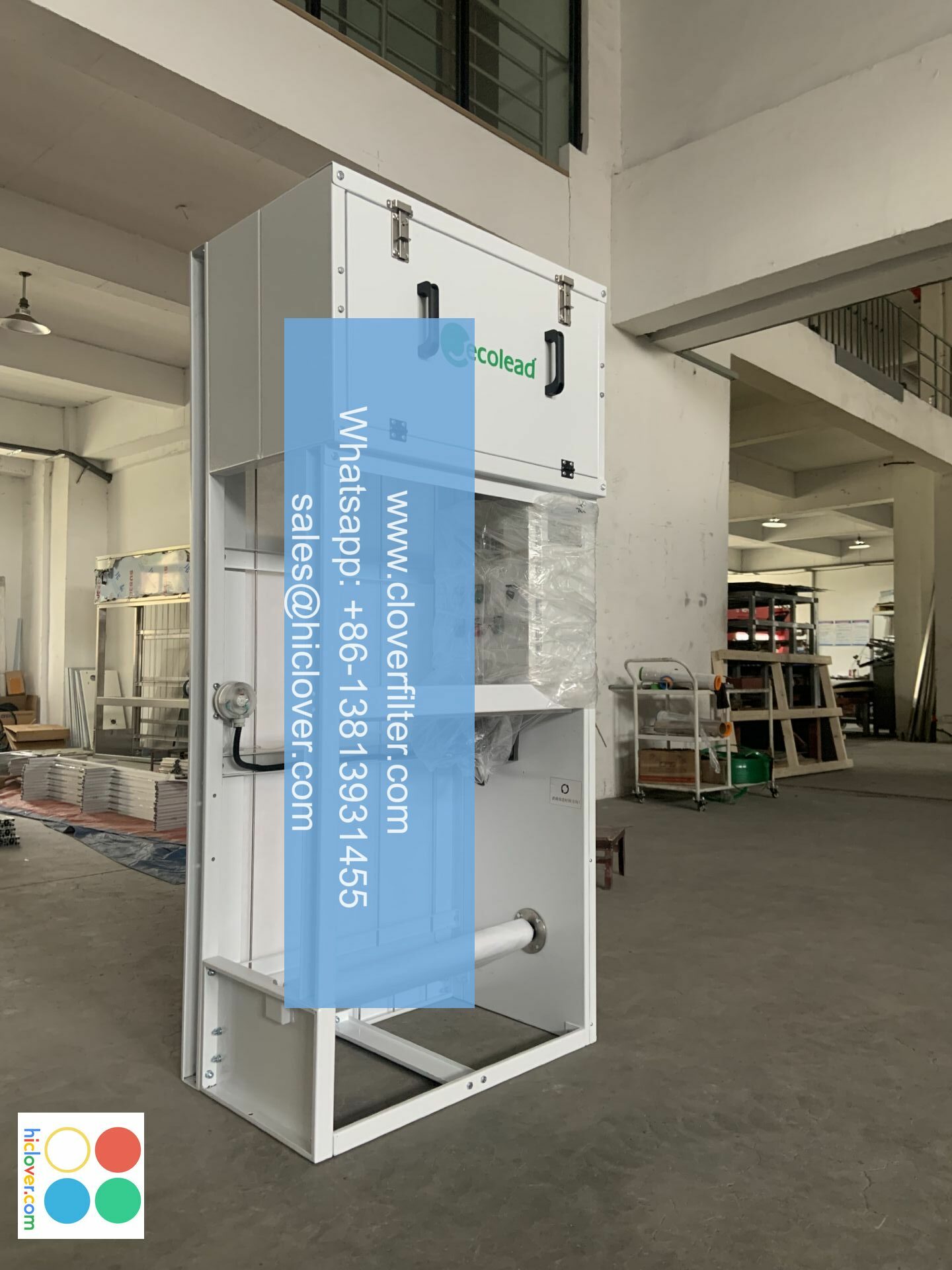
The meat processing industry is entering a transformative phase driven by technological advancements and a growing emphasis on hygiene and sustainability. Among the most significant innovations is the introduction of automatic roll air filters, which are proving to be a game-changer in various application areas within meat processing facilities.
The Importance of Air Quality in Meat Processing

Maintaining optimal air quality in meat processing plants is crucial for several reasons. First and foremost, it helps to prevent contamination of meat products, ensuring they remain safe for consumption. Additionally, good air quality impacts the overall working environment, influencing the productivity and health of employees. Automatic roll air filters play a vital role in achieving these objectives by continuously cleaning and filtering the air throughout processing facilities.
How Automatic Roll Air Filters Work
Automatic roll air filters utilize a unique mechanism designed to capture airborne particles, odors, and pathogens in real-time. These filters are integrated into the HVAC systems of meat processing plants, allowing for:
- Continuous filtration: Unlike traditional filters that require frequent manual replacement, automatic roll air filters can self-clean and maintain optimal performance over time.
- Energy efficiency: Automated systems reduce energy consumption by optimizing airflow and reducing the load on HVAC units.
- Hygiene and safety: By minimizing the risk of airborne contaminants, these filters contribute to a more sanitary processing environment.

Applications in Meat Processing
The applications for automatic roll air filters in meat processing are extensive. Here are a few key areas where these filters have made significant impacts:
1. Reducing Contaminants in Processing Areas
In areas where meat is cut, processed, and packaged, airborne contaminants can pose serious health risks. Automatic roll air filters effectively minimize these risks by capturing harmful pathogens, thus ensuring a safer product for consumers.
2. Improving Worker Safety
A clean air environment not only protects meat products but also enhances the safety of workers. With fewer airborne pathogens, employee health improves, leading to decreased absenteeism and enhanced productivity.
3. Enhancing Product Longevity
By maintaining optimal air quality, these filters contribute to extending the shelf life of meat products. Lower levels of contaminants and stable temperatures help retain meat quality, ensuring longer-lasting freshness.
4. Supporting Sustainability Goals
As meat processing companies strive to meet sustainability targets, energy-efficient solutions like automatic roll air filters play a key role. These systems consume less energy while maintaining high performance, ultimately leading to reduced operational costs and lower carbon emissions.
The Future of Meat Processing with Automatic Roll Air Filters
The rise of automatic roll air filters marks a significant step toward modernizing meat processing practices. As the industry continues to innovate, facilities equipped with these advanced air filtration systems will likely gain a competitive edge. With health, efficiency, and sustainability at the forefront, the adoption of automatic roll air filters is set to define the future landscape of meat processing.
Conclusion
In conclusion, automatic roll air filters are more than just a technological advancement; they represent a shift towards a cleaner, safer, and more efficient meat processing industry. By integrating these systems into their operations, meat processing facilities can ensure compliance with health regulations, enhance product quality, and support a sustainable future.
