Air Filter Performance: Technical Support Insights on Efficiency and Quality
- Key Takeaways
- Understanding the functionality of Automatic Roll Air Filters is crucial for optimal air quality.
- Proper air filter technical support ensures efficient operation and maintenance.
- Selection criteria include airflow range, face velocity, and control options.
- Comparison of filter types can guide procurement choices.
- Compliance with industry standards improves reliability in air filtration systems.
- Avoiding common pitfalls can enhance performance and longevity of filters.
What is an Automatic Roll Air Filter?

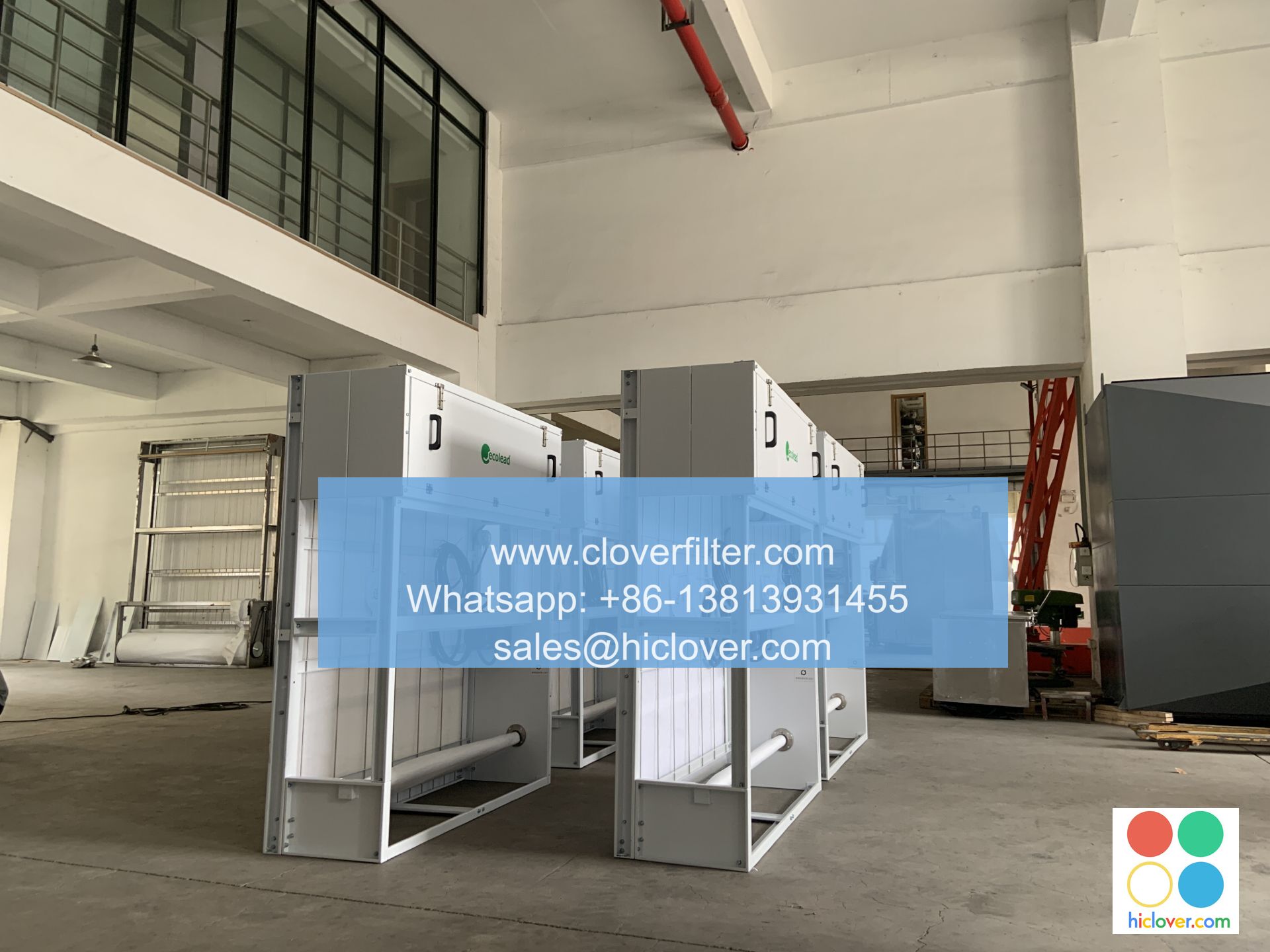
An Automatic Roll Air Filter is a specialized filtration system designed to provide superior air quality in industrial and commercial settings. It operates using a roll media advancement mechanism, which automatically feeds fresh filter material as the existing media accumulates dirt and particulates. This process is complemented by differential pressure triggers that signal when to advance the media, ensuring that clean air intake is consistently maintained without manual intervention.
In HVAC or Air Handling Unit (AHU) systems, these filters serve crucial roles in maintaining air cleanliness levels, particularly in sensitive environments like data centers, cleanrooms, and manufacturing facilities. The integration of a timer mode further enhances its usability, enabling automated filter changes based on time schedules or pressure thresholds.
Understanding Air Filter Technical Support
Air filter technical support plays a vital role in the effectiveness and efficiency of filtration solutions. Effective support helps procurement managers and HVAC engineers address issues related to filter selection, installation, and maintenance. CloverFilter, a trusted name in industrial air filtration, offers comprehensive technical support to help clients optimize their air filtration systems.
Practical Selection Guide for Automatic Roll Air Filters

When selecting an Automatic Roll Air Filter, consider these key parameters:
- Airflow Range: Ensure the filter can handle the expected airflow in your facility.
- Face Velocity: Determine an appropriate face velocity to balance efficiency and noise levels.
- Media Width/Length: Choose dimensions that fit the physical constraints of your installation.
- Frame Size: Ensure compatibility with existing HVAC designs.
- Control Options: Evaluate the need for automated control systems to simplify operations.
- Power Supply: Verify requirements for consistent performance and ease of setup.
- Installation Location: Decide between fresh air intake, return, or process air applications.
Comparison of Air Filter Types
| Filter Type | Best Use Case | Maintenance | Pressure Drop Behavior | Operating Cost | Typical Risk/Downside |
|---|---|---|---|---|---|
| Automatic Roll Air Filter | High airflow applications | Low | Steady | Moderate | Technology reliance |
| Bag Filter | General industrial use | Moderate | Varies | Moderate to high | Clogging issues |
| Panel Filter | Residential and light commercial | High | Low | Low | Frequent replacements |
| V-bank Filter | Space-constrained areas | Moderate | Medium | Moderate | Dust loading |
Common Mistakes & How to Avoid Them
- Neglecting Pre-Filter Requirements: Ensure the system accommodates the necessary particulate control.
- Improper Sizing: Always cross-check dimensions with existing systems to avoid compatibility issues.
- Ignoring Face Velocity: Monitor velocities to prevent excessive noise or airflow loss.
- Inadequate Maintenance Schedule: Establish a regular maintenance routine based on actual usage data.
- Failing to Assess Differential Pressure: Regularly check pressure readings to avoid overloading the system.
- Overlooking Control Features: Assess the benefits of automated controls for operational efficiency.
- Sticking to One Filter Type: Diversify filtration strategies based on specific application needs.
- Not Consulting Technical Support: Utilize air filter technical support resources during the selection process.
- Assuming All Filters are Equal: Understand the differences between filter types and their applications.
- Underestimating Energy Impacts: Calculate energy savings that effective air filtration can provide.
Real-World Scenarios
-
Data Center: A leading data center adopted CloverFilter’s Automatic Roll Air Filters to enhance air quality and reduce maintenance costs. The system maintained optimal airflow while mitigating heat buildup, which improved overall operational efficiency.
-
Lithium Battery Factory: The installation of Automatic Roll Air Filters enabled the lithium battery factory to maintain critical cleanliness standards, preventing contamination in the manufacturing process essential for product performance.
-
Paint Shop: A paint facility benefitted from superior air quality by using Automatic Roll Air Filters which effectively controlled volatile organic compounds (VOCs) while sustaining fresh air intake. This improved working conditions and regulatory compliance.
-
Textile/Cement Plant: In a mixed manufacturing plant, the combination of various filter types, including CloverFilter’s solutions, provided the required particulate control across different production areas. The filters minimized downtime and enhanced equipment longevity.
Conclusion
Navigating the complexities of air filtration can significantly impact operational efficiency and air quality within various industrial environments. Leveraging air filter technical support helps procurement managers, HVAC engineers, and facility managers make informed decisions about their air filter systems. CloverFilter stands ready to assist you with high-quality solutions and expert guidance to ensure your facilities maintain peak performance.
Meta Description: Discover insights on air filter technical support, operational efficiency, and quality with CloverFilter’s Automatic Roll Air Filters for industrial applications.
For tailored air filtration solutions and expert advice, connect with CloverFilter at CloverFilter Contact.
It seems you entered just “Prompt.” Could you please provide more details or specify what type of prompt you need? Whether it’s a writing prompt, a question, or something else entirely, I’m here to help!
