Efficient Ventilation: How Automatic Filters Improve Ship Performance

In the world of maritime operations, maintaining optimal ventilation systems aboard ships is crucial for ensuring both crew safety and operational efficiency. One of the most recent innovations contributing to better ship performance is the implementation of automatic filters. This article explores how these filters enhance various aspects of ship operations, optimize energy consumption, and improve air quality.
Understanding Automatic Filters in Maritime Ventilation
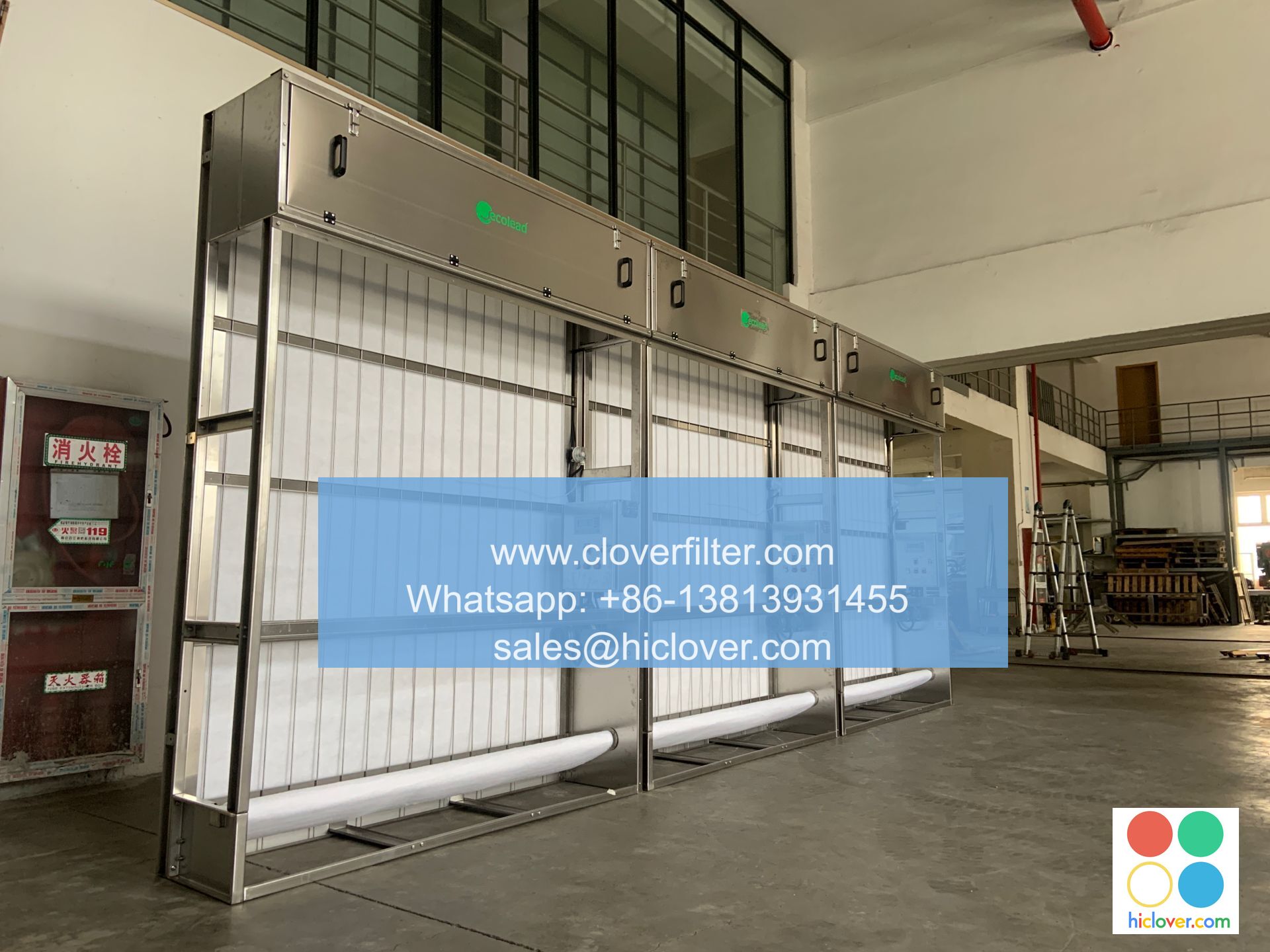
Automatic filters are advanced systems designed to manage air quality automatically by regulating airflow and minimizing pollutants. In ships, these filters are essential in maintaining a clean and breathable atmosphere, which is vital given the enclosed spaces and high-density populations typical of a vessel. They are particularly effective in engine rooms, living quarters, and cargo holds, where air contamination can pose significant health risks.
Benefits of Using Automatic Filters
1. Enhanced Air Quality
Automatic filters work continuously, adapting to changing conditions and filtering out particulate matter, allergens, and harmful gases. This leads to significantly improved indoor air quality, reducing the risk of respiratory issues among the crew and maintaining higher overall health standards.
2. Improved Energy Efficiency
Efficient ventilation systems equipped with automatic filters ensure optimal airflow with minimal energy consumption. By adjusting filtration levels based on the air quality, these systems can lead to substantial reductions in fuel usage, enhancing the overall energy efficiency of the ship.

3. Prolonged Equipment Lifespan
By preventing dust and contaminants from clogging crucial machinery, automatic filters help to extend the lifespan of ventilation equipment and other critical systems. This translates to reduced maintenance costs and fewer equipment failures, to enhance overall reliability.
Application Areas of Automatic Filters on Ships
1. Engine Room Ventilation
In the engine room, automatic filters are vital in ensuring clean air to cool machinery and maintain combustion efficiency. They help manage heat and humidity levels, prolonging the lifespan of engines and improving overall performance.
2. Crew Living Quarters
Automatic filters in crew living quarters enable a comfortable and healthy environment by controlling humidity and filtering harmful substances. This application is especially important on long voyages where crew well-being directly impacts operations.
3. Bulk Cargo Holds
In bulk carriers, maintaining the quality of the cargo is essential. Automatic filters help regulate air conditions in cargo holds, reducing the risk of spoilage and ensuring compliance with safety standards for transporting perishable goods.
Conclusion: The Future of Ship Ventilation
The maritime industry is increasingly recognizing the need for efficient ventilation systems that promote safety and sustainability. Automatic filters represent a significant stride toward achieving these goals. By enhancing air quality, improving energy efficiency, and prolonging equipment lifespan, automatic filters are poised to become an integral component of modern ship performance.
Investing in advanced ventilation technologies not only boosts operational success but also supports environmental sustainability initiatives in shipping, ensuring a cleaner and safer future for maritime endeavors.
It seems like your request might be incomplete. Could you please provide more details or clarify what kind of prompt you’re looking for? Whether it’s a writing prompt, a question, or something else entirely, I’d be happy to help!
