Cleanroom Air Filtration Systems for COVID-19 Test Kit Production in Hermosillo: Designing and Implementing Effective Automatic Roll Air Filter Solutions
The Need for Air Filtration in Cleanroom Environments

As the world grapples with the COVID-19 pandemic, the demand for accurate and efficient testing solutions has surged. In Hermosillo, Mexico, the production of COVID-19 test kits requires stringent quality control measures, particularly in cleanroom environments. Cleanroom air filtration systems play a critical role in this process by ensuring that airborne contaminants do not compromise the integrity of test kit manufacturing.
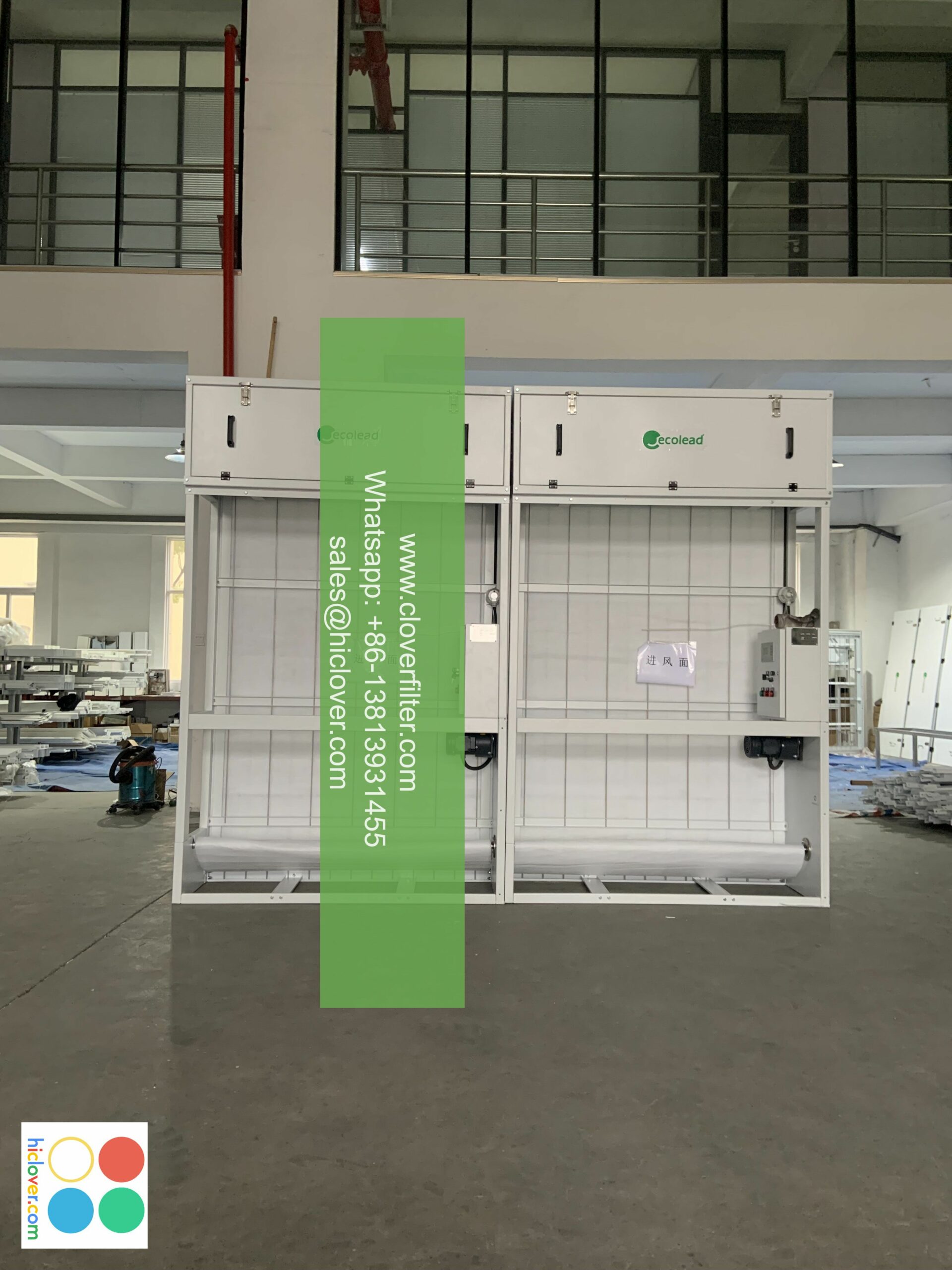
Designing Effective Automatic Roll Air Filter Solutions
Designing automatic roll air filter solutions tailored for cleanroom environments involves several key considerations. Firstly, filter efficiency must meet or exceed standards established by health authorities, such as HEPA filters (High-Efficiency Particulate Air) that capture 99.97% of particles down to 0.3 microns. Secondly, the airflow rate must be optimized to maintain the necessary cleanroom classification, often requiring consistent velocity measurements.
Key Factors in Air Filter Design
- Material Selection: Choosing the right materials for filter media is crucial to ensuring longevity and efficiency.
- Size and Scalability: Filters need to be appropriately sized for existing infrastructure while allowing for future scalability as production demands increase.
- Automation Mechanisms: Integrating automatic features such as filter replacement alerts and cleaning cycles enhances operational efficiency.
Implementing Cleanroom Air Filtration Systems
Once designed, the next step is implementing cleanroom air filtration systems effectively. In Hermosillo, collaboration between engineers, manufacturers, and regulatory bodies is essential to ensure compliance with local and international standards.
Installation Best Practices
- Pre-Installation Testing: Conduct tests to understand airflow patterns and contaminant levels in the cleanroom environment.
- Proper Sealing: Ensure all filters are sealed effectively to prevent air bypass that could introduce contaminants.
- Regular Maintenance: Schedule routine inspections and maintenance to ensure filters operate at peak efficiency.
Application Areas Beyond COVID-19 Test Kit Production
While the immediate focus is on producing COVID-19 test kits, cleanroom air filtration systems have broader applications across various industries. These include:
- Pharmaceuticals: Ensuring sterile conditions for drug manufacturing.
- Electronics: Preventing contamination in semiconductor fabrication processes.
- Biotechnology: Supporting research and development in laboratory environments.
The Future of Cleanroom Air Filtration Systems
As new variants of viruses emerge and the demand for rapid testing continues, the design and implementation of cleanroom air filtration systems will evolve. Innovations in smart filtering technology, integrating IoT capabilities for real-time monitoring, will become increasingly important. Cleanroom facilities in Hermosillo and globally must adapt to these changes to ensure the highest standards of air quality in sensitive manufacturing processes.
