How to Choose the Right Air Filter for a Longer Lifespan
Key Takeaways:
- Understanding air filter lifespan is crucial for operational efficiency.
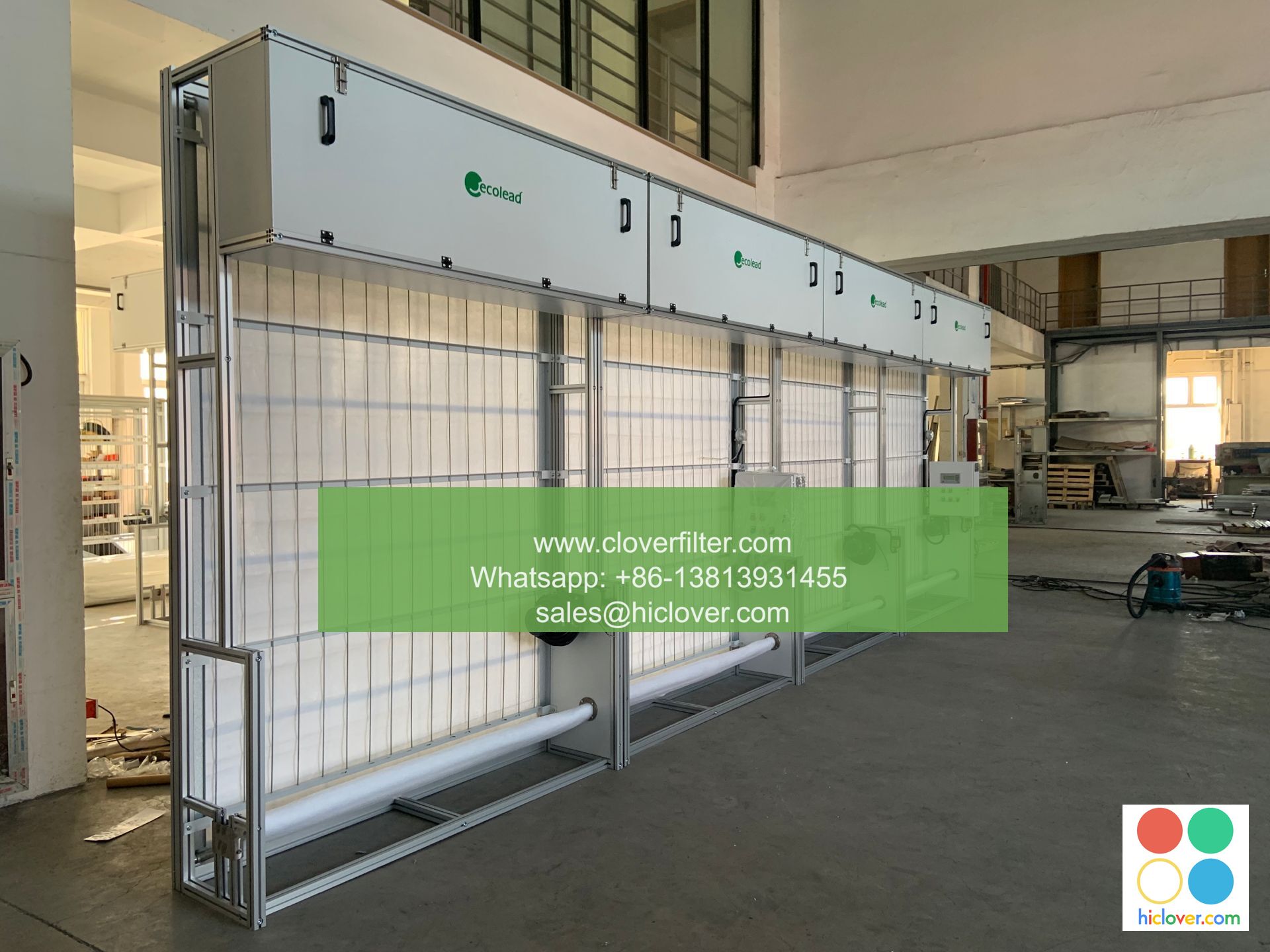
- Automatic Roll Air Filters advance media automatically for consistent performance.
- Consider airflows, face velocity, and maintenance needs in your selection.
- Ensure compliance with industry standards like ISO 16890 and MERV.
- Real-world scenarios highlight the effectiveness of tailored filtration solutions.
- Roll Media Advance Logic: This mechanism automatically feeds new filter media as needed.
- Differential Pressure Trigger: Detects increased resistance, prompting media advancement.
- Timer Mode: Sets automated intervals for media replacement, allowing for consistent performance.
- Airflow Range: Assess the maximum and minimum airflow needs based on your application.
- Face Velocity: Choose a face velocity that complements your air handling unit (AHU) for optimal performance.
- Media Width/Length: Ensure the filter’s dimensions fit your HVAC framework properly.
- Frame Size: Select a robust frame that can accommodate varying air volumes.
- Control Options: Decide on manual vs. automated control based on operational needs.
- Power Supply: Consider the availability of electrical outlets and compatibility with building systems.
- Installation Location: Determine if the filter will be positioned at fresh air intake, return, or within process airflow.
- Ignoring Airflow Needs: Always calculate before selecting a filter.
- Overlooking Maintenance Protocols: Follow the recommended schedules for changing filters.
- Choosing MERV Ratings Without Context: Understand the airflow and particulate control balance.
- Neglecting Environmental Conditions: Consider humidity and temperature impacts on filter effectiveness.
- Forgetting to Review Compliance Standards: Always ensure compliance to avoid penalties.
- Underestimating the Importance of Differential Pressure Monitoring: Regular checks can indicate when to replace filters.
- Failing to Train Staff on Filter Management: Ensure everyone understands proper filter handling and replacement.
- Using the Wrong Installation Location: Incorrect placement can lead to reduced efficiency and higher costs.
-
Data Center: Utilizing the Automatic Roll Air Filter, this facility experienced a reduction in downtime due to clogged filters, leading to substantial energy savings.
-
Battery Factory: The filter designed for this environment provides enhanced particulate control, complying with ISO 16890, thus extending the filter lifespan and ensuring cleaner workspace.
-
Paint Shop: With volatile organic compounds (VOCs) in play, the proper filter setup has ensured a safe working environment while reducing the need for frequent replacements.
-
Textile/Steel/Cement Plant: Effective air filtration through proper media selection has minimized dust and improved the longevity of operational equipment.
Understanding Air Filter Lifespan
The air filter lifespan is a critical element that affects your HVAC system’s efficiency and maintenance schedule. An air filter that is not suited for a specific application may clog quickly, leading to elevated pressure drops and reduced airflow. In industrial settings—such as factories, hospitals, and data centers—the choice of air filter can significantly impact energy costs and air quality.

What is an Automatic Roll Air Filter?
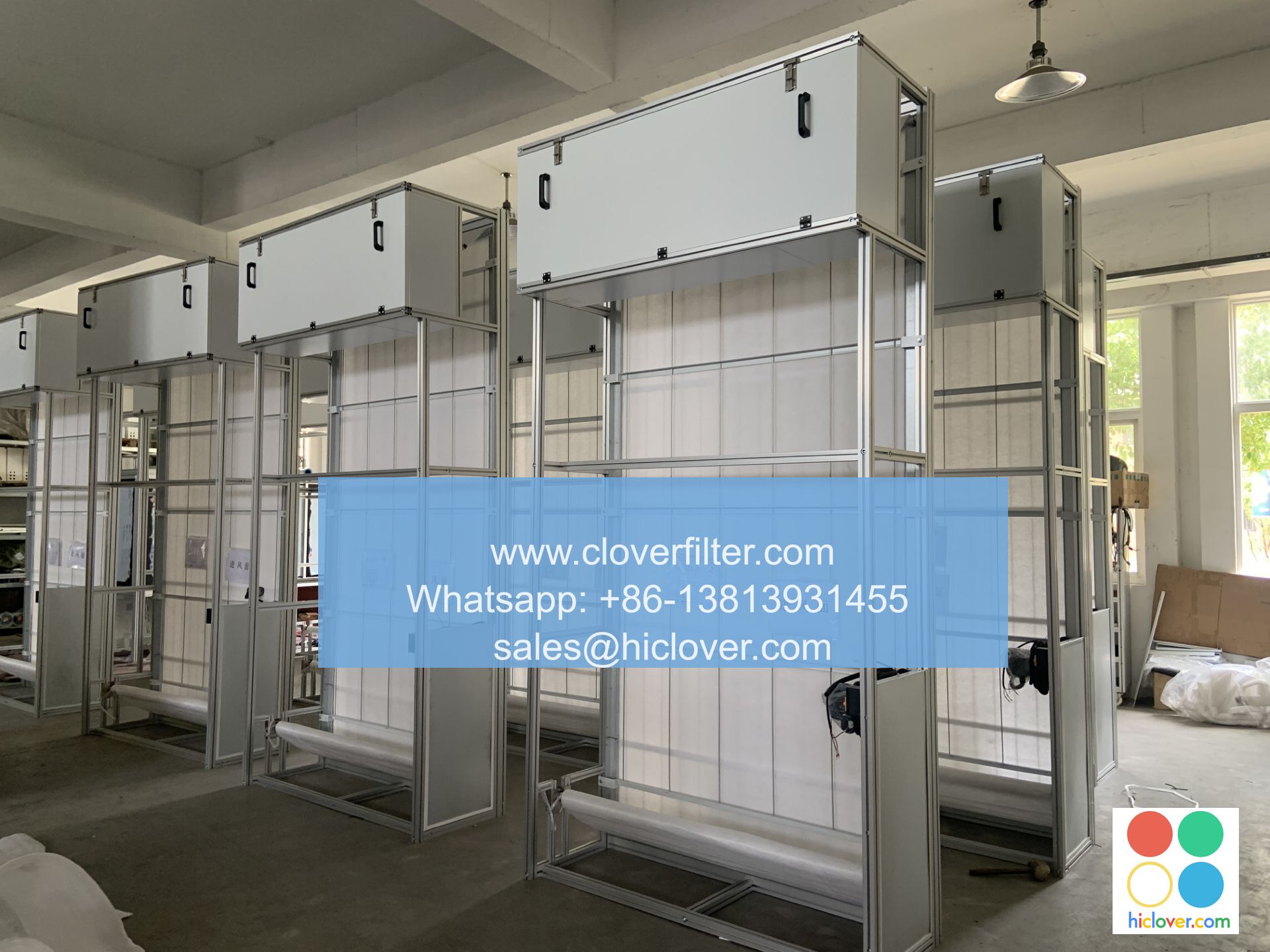
An Automatic Roll Air Filter utilizes a roll media advance logic that allows for a continuous, automated renewal of filter media. As the media begins to clog, a differential pressure trigger activates a timer that facilitates the advancement of fresh media into position. This ensures that the filter maintains optimal performance without manual intervention, ideal for applications demanding high reliability and reduced maintenance.
How Automatic Roll Filters Work
These features make the Automatic Roll Air Filter especially advantageous for spaces with high air infiltration, such as cleanrooms and data centers.
Selection Guide for Air Filters
Selecting the appropriate air filter includes several considerations:
Comparative Analysis of Filter Types
| Filter Type | Best Use Case | Maintenance | Pressure Drop Behavior | Operating Cost | Typical Risk/Downside |
|---|---|---|---|---|---|
| Automatic Roll Air Filter | High-traffic, high-infiltration environments | Low maintenance; automatic | Low to moderate | Moderate | Media can be expensive |
| Bag Filter | General industrial use | Moderate; manual bag change | Moderate to high | Low | Clogging can cause failure |
| Panel Filter | Light commercial | High; periodic changes | Low | Low | Short lifespan |
| V-bank | Air pre-conditioning | Moderate; manual change | Moderate | Moderate | Limited airflow capacity |
Common Mistakes & How to Avoid Them
Real-World Scenarios
Conclusion
Selecting the right air filter is an integral part of maintaining your HVAC system’s longevity and efficiency. An Automatic Roll Air Filter from CloverFilter can significantly enhance air quality while extending the air filter lifespan, thus providing a formidable solution against particulate matter. For tailored assistance and expert advice tailored to your filtration needs, contact CloverFilter here.
Meta Description: Discover how to choose air filters that extend air filter lifespan, improving efficiency in industrial and commercial settings.
Sure! What kind of prompt are you looking for? It can be creative writing, a discussion question, a scenario for role-playing, or something else entirely. Let me know how I can help!
