Best Practices for Implementing Automatic Roll Filters in Operating Rooms
The implementation of automatic roll filters in operating rooms is gaining traction as healthcare facilities prioritize infection control, air quality, and patient safety. This article explores the best practices for integrating these systems effectively, alongside their various applications and benefits.
Understanding Automatic Roll Filters
What Are Automatic Roll Filters?
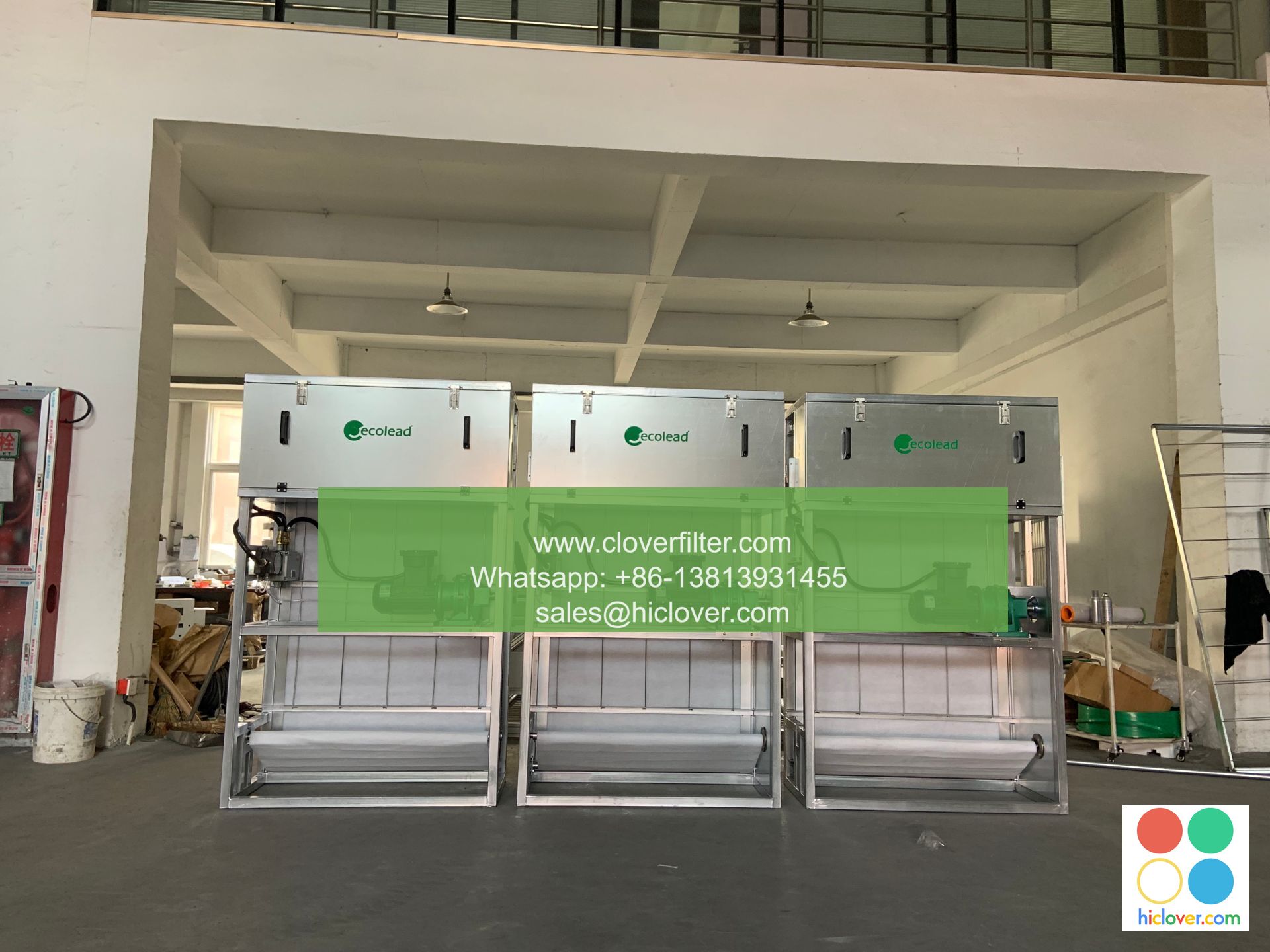
Automatic roll filters are designed to maintain clean air by filtering out airborne particles, viruses, and bacteria within the surgical environment. These filters typically feature a rolled design that allows for easy automatic replacement and maintenance, ensuring optimal performance without manual intervention.
Importance in Operating Rooms
In the highly sterile environment of an operating room, maintaining air quality is critical. Automatic roll filters provide continuous air purification, significantly reducing the risk of post-operative infections and improving overall patient outcomes.
Best Practices for Implementation
1. Evaluate Air Quality Needs

Before implementation, conduct a thorough assessment of the existing air quality in the operating room. Understand the specific requirements based on the volume of surgical procedures, the types of surgeries performed, and the number of personnel present during operations.
2. Choose the Right Filter Technology
Different filter technologies serve various needs. Options include HEPA filters for high-efficiency particulate air purification, activated carbon filters for odor control, and antimicrobial filters to inhibit the growth of bacteria. Select filters that align with the specific needs of your facility for optimal results.
3. Collaborate with Surgical Staff
Engage with surgeons, anesthesiologists, and nursing staff during the planning phase of implementation. Their insights are invaluable in understanding the unique requirements of your operating rooms and ensuring the new filters do not disrupt workflow.
4. Ensure Seamless Integration
Automatic roll filters should integrate smoothly with existing HVAC systems. Work with HVAC professionals to assess compatibility and ensure that the transition to automatic filters is seamless to avoid disruptions in air circulation and quality.
5. Regular Maintenance and Monitoring
Adopt a routine maintenance schedule for checking the performance of automatic roll filters. Monitoring programs that include pressure drops across filters and changes in air quality will help to identify issues before they can impact the OR environment.
6. Training for Healthcare Personnel
Provide comprehensive training for operating room staff regarding the function, maintenance, and importance of automatic roll filters. This knowledge enables staff to operate the systems effectively and address any issues as they arise.
Application Areas of Automatic Roll Filters
Infection Control
With the primary role of reducing airborne pathogens, automatic roll filters greatly enhance infection control protocols. By ensuring that the air remains clean and free of contaminants, they help safeguard surgical patients against infections.
Improving Surgical Outcomes
Ensured high air quality contributes to better surgical outcomes. The reliable performance of automatic roll filters aids in creating a safer environment, increasing the likelihood of successful surgeries and minimizing complications.
Sustainability Initiatives
In addition to health benefits, automatic roll filters contribute to sustainability goals by utilizing energy-efficient technologies. Many modern systems are designed to conserve energy while providing effective air filtration, addressing both health and environmental concerns.
Compliance with Regulations
Automatic roll filters can also help healthcare facilities comply with regulatory standards concerning infection control and environmental safety. Ensuring that the air quality meets the guidelines laid out by health authorities is crucial for maintaining accreditation.
Conclusion
Implementing automatic roll filters in operating rooms offers a multitude of benefits, significantly enhancing air quality and patient safety. By following best practices such as thorough evaluations, staff collaboration, and continued monitoring, healthcare facilities can optimize their environment for surgical procedures. The successful integration of these advanced filtration systems not only improves outcomes but also aligns with broader initiatives focused on infection control and sustainability in healthcare.
It seems like you entered “Prompt”—could you please provide more details or specify what kind of prompt you’re looking for? Whether it’s for writing, a question, or a specific topic, I’d be happy to help!
