Choosing the Right Air Filter Material for Allergies
Key Takeaways
- Selecting appropriate air filter materials can significantly reduce allergens in industrial settings.
- Automatic Roll Air Filters enhance airflow and reduce maintenance costs.
- Understanding airflow and face velocity is crucial for optimal performance.
- Keep compliance standards like ISO 16890 in mind but verify specific certifications as needed.
- Regular maintenance prolongs the lifespan and efficacy of air filters.
- Airflow Range: Ensure the filter is compatible with your system’s airflow requirements (measured in CFM).
- Face Velocity: The speed of air passing through the filter should match its design specifications—too high can lead to increased pressure drop and reduced efficiency.
- Media Width/Length: Select dimensions that fit your existing HVAC infrastructure; this is crucial for proper installation.
- Frame Size: The physical frame must accommodate the filter and ensure a secure fit in the system.
- Control Options: Modern filters often include digital monitoring systems for real-time pressure readings and alerts.
- Power Supply: Assess whether the filter operates on standard voltage or requires specialized connections.
- Installation Location: Placement can considerably affect the filter’s performance—options include fresh air intake, return, or process applications.
- Ignoring the Pressure Drop: Always monitor the system’s pressure to select a filter that doesn’t strain the HVAC system.
- Overlooking Maintenance Needs: Regularly scheduled maintenance will extend the filter’s lifespan.
- Selecting Incorrect Filter Size: Measure accurately to avoid installation issues.
- Misjudging Application Needs: Assess what pollutants are prevalent in the specific environment for optimal filter choice.
- Neglecting Airflow Rates: Choose filters that match your required airflow specifications to prevent system strain.
- Failing to Consider MERV Rating: Understand the MERV rating relevant to your needs—this is fundamental in environments demanding stricter air quality.
- Inadequate Installation Location: Consider where the filter will be placed to optimize performance.
- Not Utilizing Technological Options: Take advantage of smart monitoring to enhance operational efficiency.
- Compromising on Quality: Always opt for reliable manufacturers like CloverFilter to ensure material efficacy.
- Underestimating Energy Costs: Consider long-term savings versus initial costs; energy-efficient solutions pay off over time.

Understanding Air Filter Materials
When dealing with air quality management in industrial and commercial settings, choosing the right air filter materials is essential. Different materials can trap various particles, affecting the efficiency of HVAC systems—especially for sectors such as cleanrooms, hospitals, and manufacturing plants that require strict air quality standards. Common air filter materials include fiberglass, pleated media, and synthetic options. Notably, the Automatic Roll Air Filter from CloverFilter employs advanced roll media technology, advancing automatically to maintain optimal airflow while mitigating allergens.
What Is an Automatic Roll Air Filter?

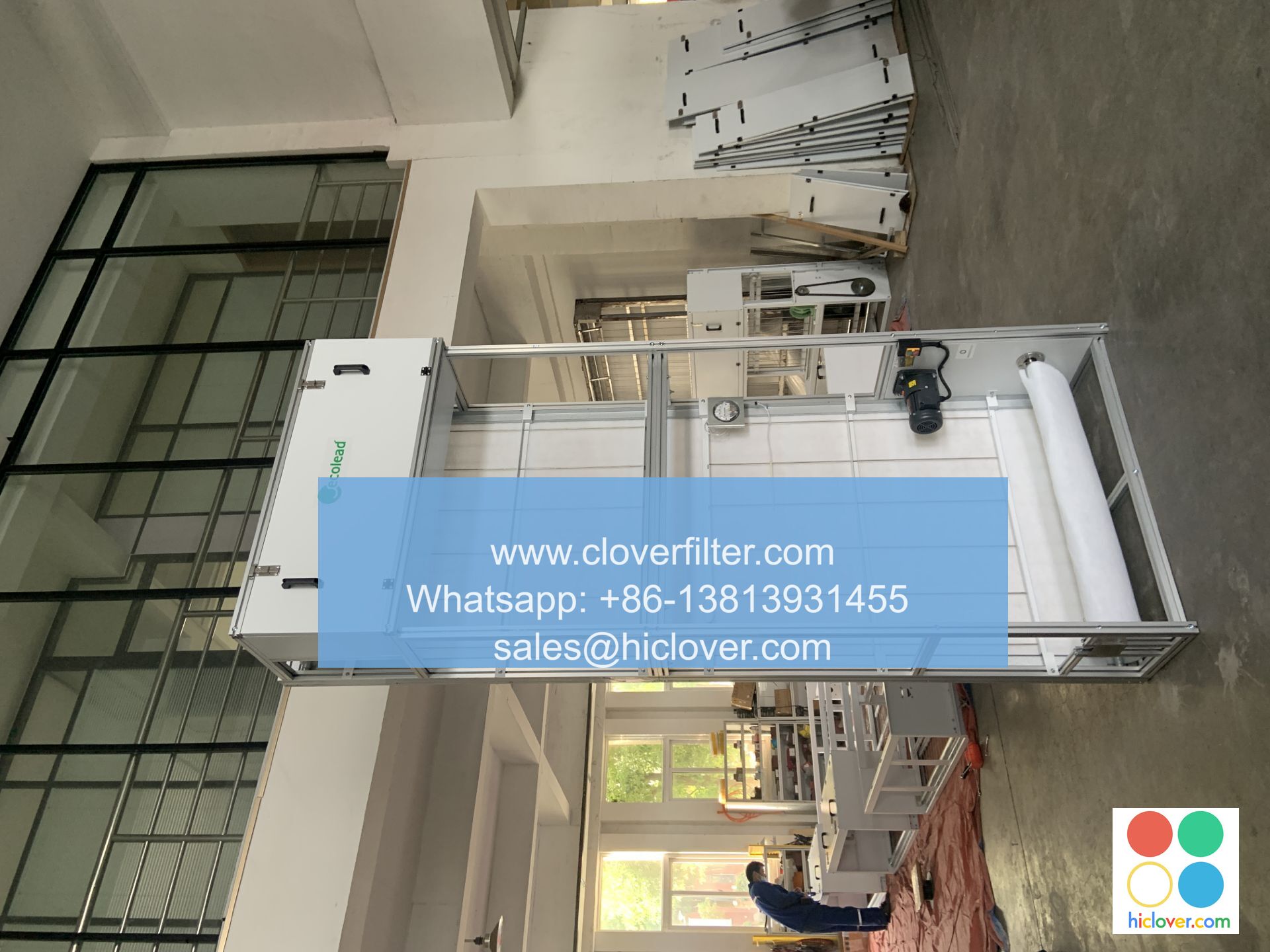
An Automatic Roll Air Filter is a cutting-edge solution designed to provide continuous air filtration while minimizing maintenance efforts. The working mechanism relies on a roll media advance logic, which automatically changes the filter material based on differential pressure triggers or through a timer mode. This means that when the pressure drop reaches a certain threshold, the system initiates a new section of the filter media, ensuring that the airflow remains consistent and that particulates, including allergens, are adequately captured.
You can visualize this system as part of an HVAC or AHU, where it serves either as a pre-filter for fresh air intake or within return air systems. The ability of the Automatic Roll Air Filter to reduce energy consumption while maintaining high MERV ratings makes it appropriate for diverse applications, from data centers to lithium battery plants.
Practical Selection Guide for Air Filter Materials
When selecting air filter materials for your specific application, consider the following parameters:
Comparison of Air Filter Types
| Filter Type | Best Use Case | Maintenance | Pressure Drop Behavior | Operating Cost | Typical Risk/Downside |
|---|---|---|---|---|---|
| Automatic Roll Air Filter | High-traffic areas with varying particulate loads | Low | Consistent; reduces over time | Medium | Initial investment can be high |
| Bag Filter | General industrial applications | Medium | High initial, steady state | Medium-High | Limited efficiency with fine particles |
| Panel Filter | Small systems and light-duty settings | High | Low at the beginning, rises quickly | Low | Frequent replacements needed |
| V-bank Filter | Commercial HVAC systems | Medium | Medium consistent performance | Medium | Bulky and difficult to manage |
Common Mistakes & How to Avoid Them
Real-World Scenarios
Data Center
In a data center environment, the Automatic Roll Air Filter from CloverFilter was implemented to maintain an optimal temperature and humidity level. The roll media’s consistent airflow kept dust levels low, thereby improving overall system reliability and extending equipment lifespan.
Battery Factory
At a lithium battery manufacturing facility, adherence to strict air quality standards was critical. The automatic roll filter facilitated fresh air intake while efficiently capturing airborne particles, leading to reduced operator health complaints and improved compliance metrics.
Paint Shop
In a high-volume paint shop, the choice of air filter materials was pivotal for ensuring a safe workspace. Implementing CloverFilter’s automatic roll system significantly cut down on airborne paint particles, fostering a healthier environment for the workforce.
Textile/Steel/Cement Plant
A textile manufacturing company adopted the Automatic Roll Air Filter to mitigate dust and lint in their production area. Similarly, a steel plant employed the same solution to manage particulate matter. Both demonstrated improved air quality metrics, aligned with ISO 16890 standards.
Conclusion
Selecting the right air filter materials is a crucial step toward ensuring cleaner air quality in industrial settings. The Automatic Roll Air Filter from CloverFilter stands out as an efficient solution, providing consistent performance while minimizing maintenance burdens and energy costs. Assess your specific application needs to optimize your air filtration system effectively.
Meta Description: Discover how to choose the right air filter materials for allergies. Explore the benefits of CloverFilter’s Automatic Roll Air Filter for industrial settings.
Contact CloverFilter today to learn more about how our advanced air filtration solutions can enhance your operations: CloverFilter Contact.
It seems like your message got cut off. Could you please provide more details or clarify what you’d like assistance with?
