Common Air Filter Misconceptions Debunked
Key Takeaways
- Air filter services are critical for maintaining clean air in industrial and commercial settings.
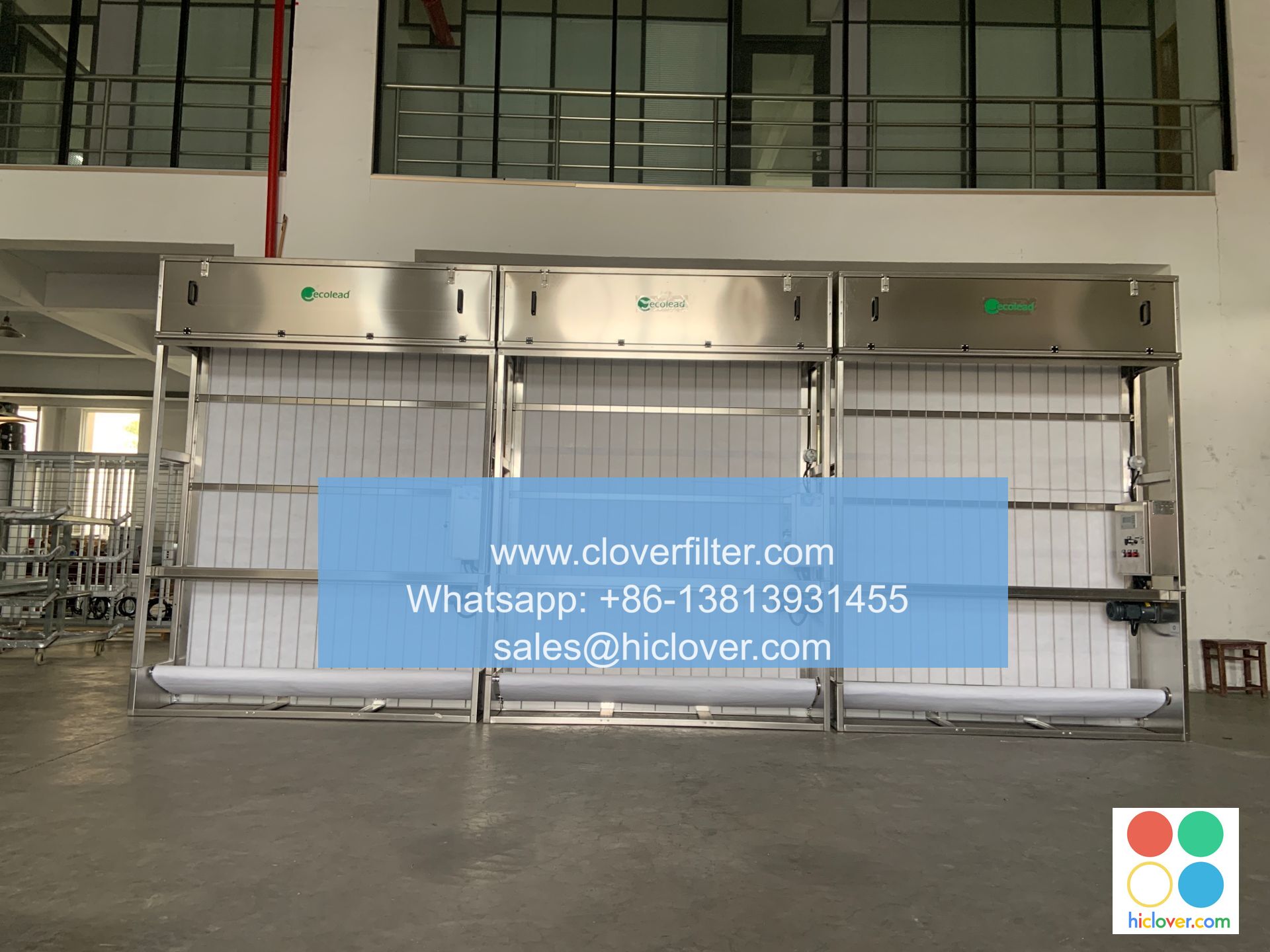
- Automatic Roll Air Filters utilize roll media to advance in response to differential pressure.
- Understanding airflow requirements and filtration options is key to selecting the right air filter.
- Common misconceptions can lead to poor filtration choices and unnecessary costs.
- Compliance with standards like ISO 16890 and MERV concepts is important, but specific certification claims should be verified.
- Regular maintenance reduces costs and improves efficiency in HVAC systems.
- Airflow Range: Determine the total CFM (Cubic Feet per Minute) requirement for the location.
- Face Velocity: Identify the desired face velocity based on the application. Higher velocities often lead to higher pressure drops.
- Media Width/Length: Assess the dimensions required to fit the specific installation space.
- Frame Size: Ensure compatibility with existing filter racks or housings.
- Control Options: Choose between manual or automatic controls depending on system requirements.
- Power Supply: Confirm the power quality needed for automatic systems.
- Installation Location: Positioning can include fresh air intake, return air, or process air, influencing performance.
- Overlooking air volume requirements, leading to undersized filters.
- Ignoring maintenance schedules, causing filter inefficiencies.
- Choosing the wrong filter type based on the environment (e.g., using panel filters in high-load scenarios).
- Neglecting to check the filter’s pressure drop before installation.
- Not measuring the airflow’s face velocity for optimal filter performance.
- Misunderstanding the equivalencies of standards like ISO 16890 or MERV.
- Failing to account for installation location effects on air quality.
- Assuming all filters have the same lifespan.
- Not considering the energy-saving potential of high-efficiency filters.
- Relying solely on cost rather than total lifecycle costs.

Understanding Automatic Roll Air Filters
An Automatic Roll Air Filter is an advanced filtration solution designed to promote optimal air quality in environments that require stringent air cleanliness standards, such as data centers, hospitals, and manufacturing plants. The filter operates using a roll media mechanism that continuously advances, allowing for efficient particle control without frequent manual changes.

How It Works
The Automatic Roll Air Filter employs a roll media advance logic combined with a differential pressure trigger. When the air pressure drops beyond a pre-set limit, the roll moves to expose a new section of filter media. This technology can also function in timer mode, ensuring that the media is utilized effectively over a defined period. The incorporation of this dynamic filtration approach into HVAC/AHU systems not only aids in maintaining fresh air intake but also efficiently captures contaminants.
Choosing the Right Air Filter Services
When selecting air filter services, procurement managers and facility engineers should consider several factors to ensure optimal performance. Here’s a practical selection guide:
Comparison Table
| Filter Type | Best Use Case | Maintenance | Pressure Drop Behavior | Operating Cost | Typical Risk/Downside |
|---|---|---|---|---|---|
| Automatic Roll Filter | Data centers | Low (auto advance) | Low to moderate | Moderate | Requires power supply |
| Bag Filter | Manufacturing plants | Moderate | Moderate | Moderate to high | Potential for clogging |
| Panel Filter | General HVAC | High (manual change) | Low | Low to moderate | Frequent replacements needed |
| V-bank | Large volumes | Low/moderate | Moderate | Moderate | Size and space limitations |
Common Mistakes & How to Avoid Them
Real-World Scenarios
Data Center
In a state-of-the-art data center, the integration of CloverFilter’s Automatic Roll Air Filter enabled a 30% reduction in maintenance downtime. The differential pressure triggers allowed for automated media advances, significantly improving air quality and system efficiency.
Battery Factory
At a lithium battery manufacturing facility, the need for stringent particulate control led engineers to select the Automatic Roll Air Filter. Continuous monitoring and adjustment of air filtration helped maintain critical standards of cleanliness in line with industry specifications.
Paint Shop
A commercial paint shop found that frequent clogging of traditional filters slowed down production. Switching to CloverFilter’s Automatic Roll Air Filter mitigated this issue, allowing for smooth operations with consistently clean intake air.
Textile/Steel/Cement Plant
In a textile production facility, the Automatic Roll Air Filter controlled fugitive dust effectively, improving air quality and employee health while complying with safety standards. Its low pressure drop profile presented energy-saving benefits, reducing operational costs dramatically.
FAQ
1. What is an Automatic Roll Air Filter?
An Automatic Roll Air Filter is a dynamic filtration device that uses roll media technology to enhance air quality and efficiency in various industrial applications.
2. How often do I need to change the filters?
The frequency of changes depends on usage and environmental conditions; however, the automatic features significantly reduce the need for manual intervention.
3. What is the pressure drop, and why is it important?
The pressure drop refers to the resistance created by the filter as air flows through it. A lower pressure drop means greater efficiency and reduced energy costs.
4. Can these filters be used in different environments?
Yes, they are adaptable for various settings including cleanrooms, manufacturing plants, and hospitals, ensuring optimal air quality.
5. Are CloverFilter’s products compliant with ISO 16890?
While CloverFilter’s products are designed with compliance in mind, specific certifications are available on request.
6. What maintenance does an Automatic Roll Air Filter require?
Maintenance is minimal due to the automatic media change feature, but regular inspections of the system are advisable to ensure optimal performance.
Meta Description: Discover the truth behind common air filter misconceptions and optimize your air quality with CloverFilter’s Automatic Roll Air Filter services.
CloverFilter offers tailored solutions for your air filtration needs. For more information, reach out at CloverFilter Contact.
Sure! What kind of prompt are you looking for? A writing prompt, a creative idea, a question to ponder, or something else entirely? Let me know how I can assist you!
