A Comparative Study of Automatic Roll Air Filters and Other Air Filtration Systems in Research Labs

In research laboratories, maintaining optimal air quality is crucial for both the safety of personnel and the integrity of experiments. Various air filtration systems are used for this purpose, each with its unique features and capabilities. This article examines Automatic Roll Air Filters in comparison to other air filtration systems, highlighting their applications in research labs.
Understanding Air Filtration Systems

Air filtration systems can be categorized into several types, including:
- HEPA Filters: High-Efficiency Particulate Air filters are engineered to capture 99.97% of particles that are 0.3 microns in diameter.
- Activated Carbon Filters: These filters are designed to adsorb gases and odors, making them ideal for chemical fume extraction.
- UV-C Air Purifiers: Utilize ultraviolet light to kill or inactivate microorganisms in the air.
- Automatic Roll Air Filters: These filters feature a continuous roll of media that is automatically advanced, offering a streamlined, low-maintenance option.
Automatic Roll Air Filters: Features and Benefits
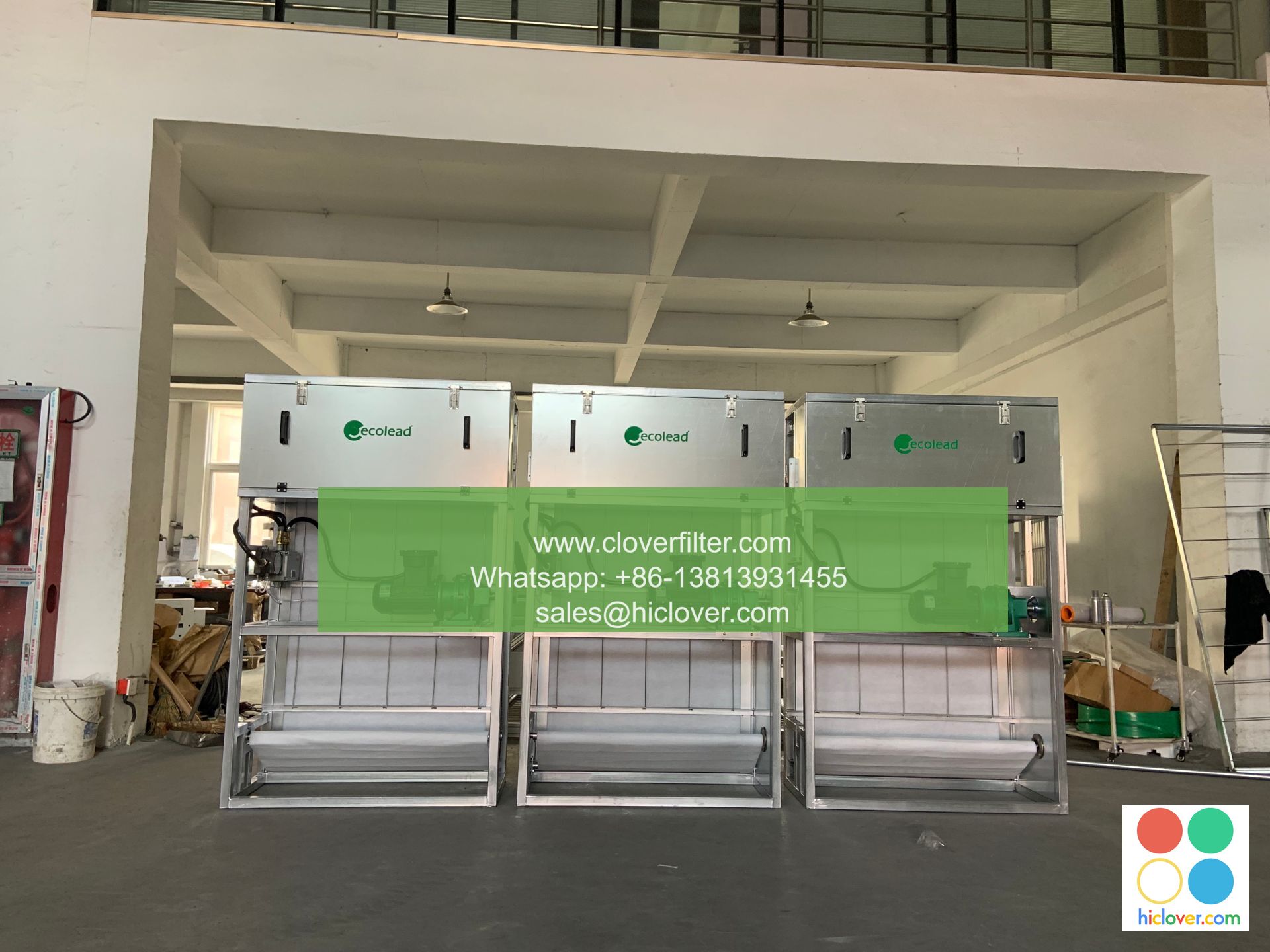
Automatic roll air filters represent a modern solution for air filtration in research environments. Some of the key features include:
- Continuous Filtration: The roll system ensures that fresh filter media is always available, making it an efficient choice for high-traffic labs.
- Reduced Maintenance: Automatic advancements of the filter media require less frequent maintenance compared to traditional HEPA or activated carbon filters.
- Cost-Effective: Despite higher initial investment costs, the long-term savings on replacement filters and labor can offset expenses.
- Versatility: Suitable for various application areas, from pharmaceutical labs to cleanrooms in biotechnology.
Comparative Analysis with Other Air Filtration Systems
While Automatic Roll Air Filters offer numerous benefits, it is essential to compare them with traditional air filtration systems:
1. HEPA Filters
HEPA filters are widely used in research labs, especially where a high degree of particle removal is critical. However, they require regular maintenance and replacement. In contrast, automatic roll filters can provide continuous particle filtration without the same level of maintenance burden.
2. Activated Carbon Filters
Activated carbon filters are adept at removing odors and gaseous contaminants, making them necessary in certain applications, such as chemical research labs. However, they do not capture particulate matter as effectively as roll filters. In many cases, employing both systems together can provide comprehensive air quality management.
3. UV-C Air Purifiers
UV-C air purifiers excel in microbial control, making them ideal for labs focused on microbiology. However, they do not provide physical filtration. Combining them with automatic roll filters can enhance overall air quality by addressing both particulate and biological concerns.
Application Areas of Air Filtration in Research Labs
The choice of air filtration system often depends on the specific requirements of the research lab. Some prevalent application areas include:
- Pharmaceutical Research: Maintains cleanliness and energy efficiency in drug development.
- Biomedical Laboratories: Ensures the safety of workers handling biological materials.
- Chemistry Labs: Controls harmful fumes and odors from various chemical processes.
- Microbiological Labs: Employs UV-C systems alongside roll filters for enhanced microbial control.
Conclusion
As research labs continually evolve, the importance of effective air filtration systems becomes increasingly clear. Automatic roll air filters offer a forward-thinking solution that balances efficiency, cost-effectiveness, and versatility. However, when making a decision, it is crucial to consider the specific filtration needs of the lab, potentially integrating multiple systems to achieve the best results.
