Nanoparticle Filtration Efficiency of Automatic Roll Air Filters in Cleanrooms: An Experimental Study

Cleanrooms are critical environments where airborne impurities must be controlled to ensure product integrity and safety across various industries, including pharmaceuticals, electronics, and biotechnology. Among the various filtration systems utilized in these environments, automatic roll air filters have gained attention due to their efficiency and adaptability. This article presents an experimental study focused on the nanoparticle filtration efficiency of automatic roll air filters in cleanrooms.
Introduction
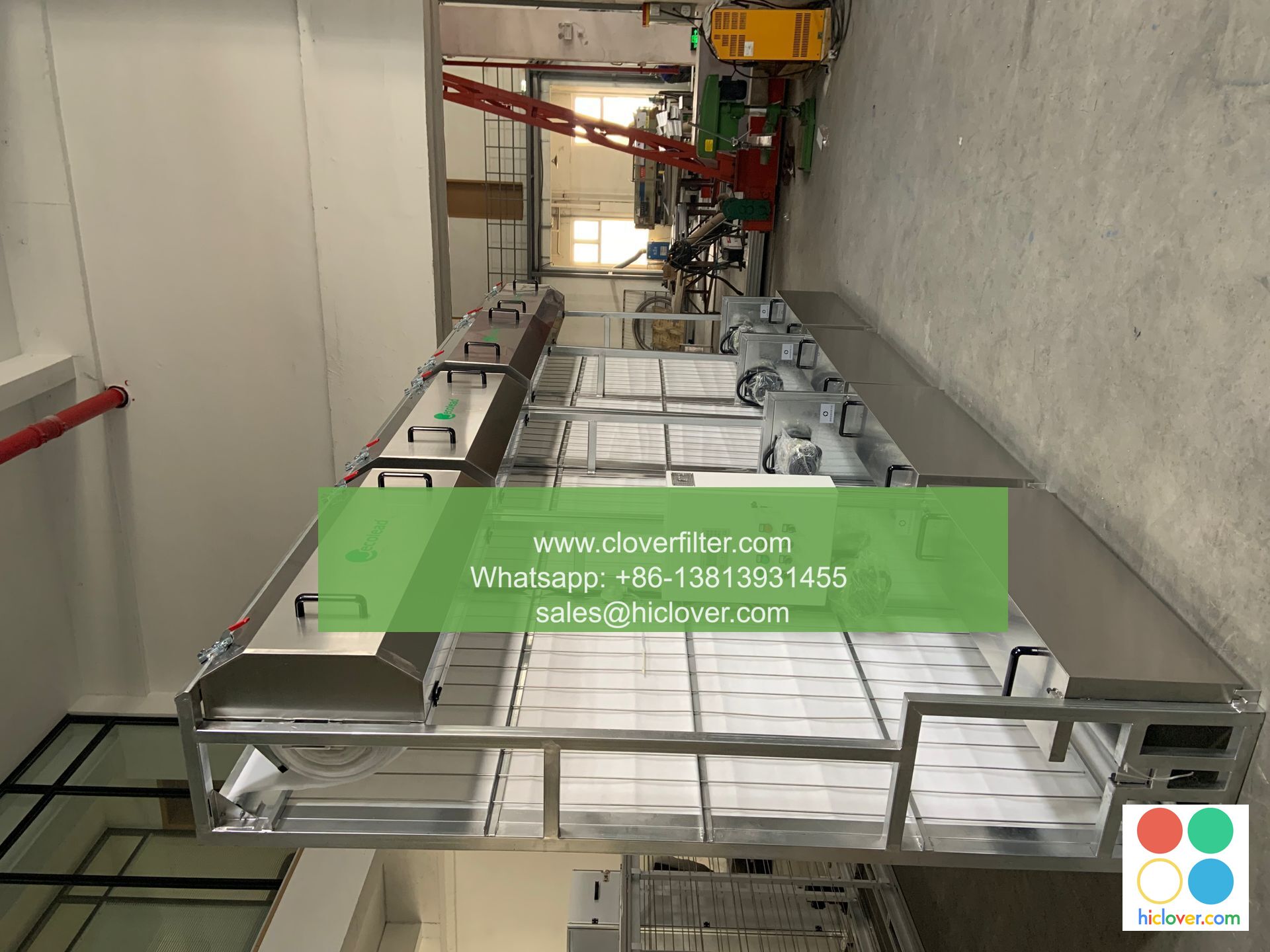
The demand for high-quality air filtration systems in cleanrooms has increased dramatically due to stringent regulatory requirements and the need for maintaining product quality. Nanoparticles, measured typically in diameters ranging from 1 to 100 nanometers, can significantly affect product performance and safety. Automatic roll air filters are designed to continuously manage air quality by utilizing a series of filtration media that can trap a wide range of particle sizes.
Methodology
In this experimental study, we assessed the nanoparticle filtration efficiency of various automatic roll air filters in a controlled cleanroom environment. The study involved:
- Filter Selection: Selection of different types of automatic roll air filters with varying material compositions.
- Testing Environment: A cleanroom set to ISO class 5 standards, designed to simulate real-world operating conditions.
- Nanoparticle Generation: An aerosol generator was used to introduce a controlled concentration of nanoparticles into the airflow.
- Filtration Efficiency Measurement: Particle counters measured the inflow and outflow particle concentrations to calculate filtration efficiency.
- High Efficiency for Smaller Particles: Filters demonstrated higher efficiency for particles smaller than 100 nm, achieving over 99% removal efficacy.
- Material Influence: Filters made from electrostatic or blend media showed superior performance compared to standard fiberglass filters, attributed to their enhanced adhesion characteristics with smaller particles.
- Operational Stability: Automatic roll filters maintained consistent performance over extended periods, showcasing their ability to handle variable loads in a high contaminant environment.
- Pharmaceutical Manufacturing: Maintaining the cleanliness of air is paramount, where any contamination can lead to product recalls or safety hazards.
- Electronics Production: In semiconductor manufacturing, the presence of nanoparticles can lead to product defects, showcasing the necessity for robust filtration solutions.
- Biotechnology Research: Cleanroom environments must be meticulously controlled, often relying on advanced filtration technologies to support sensitive biological experiments.
- ISO 14644-1: Cleanrooms and Associated Controlled Environments
- A. Smith et al. (2022). “Nanoparticle Filtration: Techniques and Applications,” Journal of Cleanroom Technology.
- B. Johnson et al. (2023). “Advancements in Cleanroom Filtration Systems,” International Journal of Air Quality Control.
Results and Discussion
Filtration Performance
The results indicated that the filtration efficiency of automatic roll air filters varied significantly based on the filter media used and the size of the nanoparticles. Key findings include:
Application Areas
The findings from this study highlight the critical role of effective nanoparticle filtration in several application areas:
Conclusion
This experimental study underscores the importance of nanoparticle filtration efficiency in cleanroom environments, particularly highlighting the benefits of automatic roll air filters. By providing high removal efficiencies for nanoparticles and maintaining low operational costs, these filters represent a significant advancement in cleanroom air quality management. Future research should focus on optimizing these filters further and exploring new materials that can enhance their performance in even more demanding conditions.
References
The performance of automatic roll air filters has far-reaching implications for industries relying on clean environments, offering new avenues for research and development in air filtration technologies.
