The Cost-Saving Benefits of Choosing High-Efficiency Filters
Key Takeaways
- High-efficiency filters can dramatically reduce air filter cost savings.
- Automatic Roll Air Filters optimize airflow while minimizing pressure drop.
- Regular maintenance is simplified with advanced differential pressure triggers.
- Proper selection is critical for optimal performance in specific applications.
- Air filter longevity can be extended with intelligent filter management systems.
- Airflow Range: Suitable for varying flow rates depending on the application. Average flow rates should be assessed.
- Face Velocity: Ideal face velocities will vary by application; typical values range from 1.0 to 3.5 m/s.
- Media Width/Length: Select according to the available installation space and desired coverage.
- Frame Size: Typically available in standard and custom sizes to fit existing HVAC frameworks.
- Control Options: Compatibility with Building Management Systems (BMS) for automated operations.
- Power Supply: Determine the requirements for operation, considering redundancy or emergency backup.
- Installation Location: Can be positioned in the fresh air intake, return, or process streams, based on the specific filtration need.
- Neglecting Filter Selection: Choose filters based on specific application requirements and environmental conditions.
- Ignoring Maintenance Needs: Regularly check and replace filters as-needed to maintain performance.
- Overlooking Installation Site: Position filters to optimize airflow; improper placement can reduce effectiveness.
- Failing to Monitor Differential Pressure: Use pressure sensors to identify when filters require maintenance or replacement.
- Choosing Cost Over Quality: Understand the long-term cost savings associated with high-efficiency filters rather than opting for low-cost alternatives.
- Underestimating Controller Capabilities: Ensure compatibility with existing BMS for automatic operations.
- Poor Training for Staff: Educate maintenance staff on filter operation and troubleshooting.
-
Data Center: A recent upgrade to Automatic Roll Air Filters allowed a data center to reduce energy costs by 30% while maintaining optimal cooling conditions for server racks. The automatic rolling mechanism prevented airflow loss and facilitated uninterrupted operations.
-
Battery Factory: The implementation of high-efficiency filters helped a lithium battery factory decrease contamination risks while producing batteries. They experienced a 40% reduction in maintenance costs, leading to a more reliable production line.
-
Paint Shop: An automotive paint shop faced challenges with overspray and particulate matter. Switching to Automatic Roll Air Filters provided a fresh air intake that minimized paint defects while improving air quality, resulting in fewer rejected products.
-
Textile/Steel/Cement Plant: In heavy manufacturing, significant amounts of dust and particulates can cause operational inefficiencies. High-efficiency air filters reduced particulate emissions, helping the plant to comply with environmental regulations, while also lowering filter replacement frequency.

Understanding Automatic Roll Air Filters
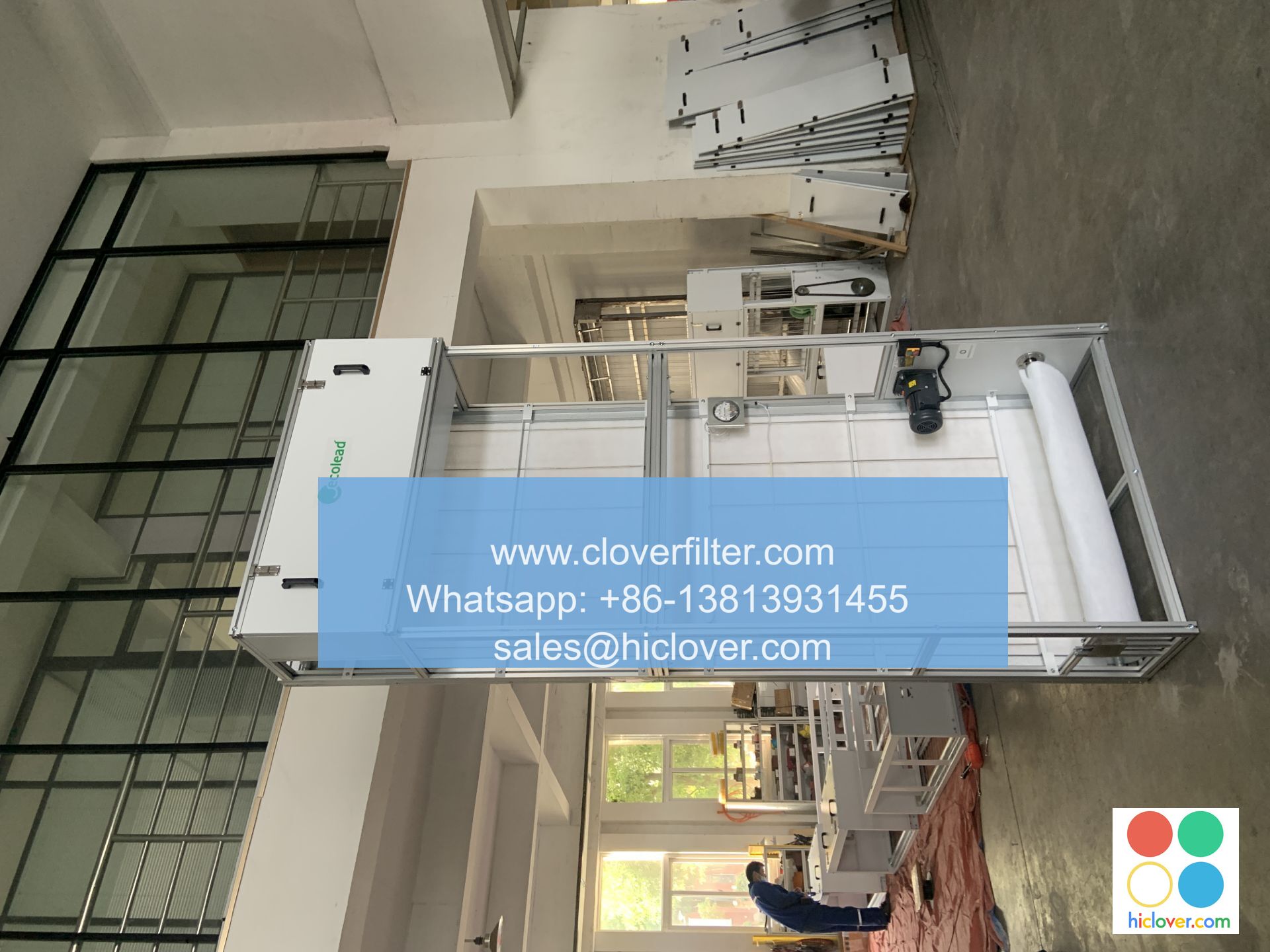
An Automatic Roll Air Filter is an advanced filtration solution designed for HVAC (Heating, Ventilation, and Air Conditioning) systems in industrial and commercial settings. This filter operates using a roll media advance logic, where the filter medium is automatically fed forward based on demand, optimizing airflow while minimizing operational costs. The system utilizes a differential pressure trigger, which activates the rolling mechanism when pressure reaches a specified limit, ensuring that air quality remains high without unnecessary interference. The timer mode can also be programmed for scheduled maintenance or adjustments based on real-time data.
These filters are typically integrated into AHU (Air Handling Unit) systems, where they serve as effective prefilters. They help capture particulate pollutants before they enter main filtration systems, ensuring efficient operation of HVAC systems in environments like cleanrooms, data centers, and heavy industrial applications.

Practical Selection Guide
When considering the installation of an Automatic Roll Air Filter, evaluating several essential factors will help ensure optimal performance:
Comparison Table
| Filter Type | Best Use Case | Maintenance | Pressure Drop Behavior | Operating Cost | Typical Risk/Downside |
|---|---|---|---|---|---|
| Automatic Roll Filter | High-efficiency, variable flow | Low; auto-advancing | Minimal, optimized | Low long-term | Initial cost may be higher |
| Bag Filter | General particulate control | Moderate | Moderate | Moderate to high | Requires regular replacement |
| Panel Filter | Low-cost initial installation | Moderate | High | Higher (in replacement) | Limited efficiency |
| V-bank | Space-constrained applications | Moderate | Moderate | Moderate | Can become blocked quickly |
Air Filter Cost Savings
Investing in high-efficiency filters like the Automatic Roll Air Filter leads to notable air filter cost savings. By maintaining optimal airflow and reducing differential pressures, these filters not only enhance indoor air quality but also lower energy consumption associated with HVAC systems. With reduced need for frequent replacements and simpler maintenance routines, facility managers can realize significant cost efficiency over time.
Common Mistakes & How to Avoid Them
Real-World Scenarios
FAQ
Q: What is the primary advantage of Automatic Roll Air Filters?
A: They provide enhanced air filter cost savings through reduced maintenance and optimized filtration performance.
Q: How often should I replace my Automatic Roll Air Filter?
A: Replacement frequency depends on environmental conditions; however, with built-in sensors, these filters can often alert you when to change.
Q: Can these filters handle high humidity environments?
A: Yes, they are designed to function effectively across various humidity levels, but specific media selection is essential.
Q: Is installation complex for Automatic Roll Air Filters?
A: Installation can vary, but most systems are designed for compatibility with existing equipment, simplifying the process.
Q: How do I ensure compliance with industry standards?
A: Consult with your supplier regarding compliance with ISO 16890 / EN 779 legacy / MERV standards, as certifications may be available upon request.
Q: Can I monitor filter performance remotely?
A: Many modern systems can integrate with BMS for real-time monitoring and alerts on filter performance.
Q: What other applications are suitable for Automatic Roll Air Filters?
A: These filters are ideal for hospitals, cleanrooms, data centers, and manufacturing plants requiring stringent air quality control.
For further information and technical support regarding the selection and installation of high-efficiency filters, visit CloverFilter.
Meta Description: Discover how high-efficiency filters like the Automatic Roll Air Filter can lead to air filter cost savings through reduced maintenance and improved performance.
CloverFilter is committed to providing the best air filtration solutions tailored to your needs. For personalized support, visit us at CloverFilter Contact.
It seems like your message was cut off. Could you please provide more details or specify what you’d like to know or discuss?
