The Future of Air Filter Technology: What’s Next for Production?

- Advances in automatic roll air filter technology promise improved efficiency and performance.
- Enhanced particulate control is crucial for compliance across various industries.
- Proper selection of air filter production can significantly affect maintenance costs and energy consumption.
- Case scenarios highlight practical applications of roll filters in real-world settings.
- Awareness of common installation mistakes can lead to better performance and longevity.
- Understanding industry standards can guide procurement decisions.
-
Roll Media Advance Logic: When the differential pressure across the filter exceeds a predetermined value, the roll media automatically advances. This reduces the resistance in the system, allowing for better airflow.
-
Differential Pressure Trigger: This key feature ensures that the filter maintains optimal performance levels while notifying maintenance personnel when it’s time to replace or advance the media.
-
Timer Mode: For environments where consistent air quality is essential, a timer can be set to automatically advance the media at regular intervals, minimizing downtime.
-
Airflow Range: Determine the necessary airflow requirements for your specific application (CFM—Cubic Feet per Minute).
-
Face Velocity: Understand the face velocity (feet per minute) that your system can handle effectively.
-
Media Width/Length: Ensure the dimensions fit your existing filter chambers, optimizing filtration area and performance.
-
Frame Size: Frame compatibility is critical to ensure a proper fit and seal within the setup.
-
Control Options: Decide if you require manual controls or automatic sensors to manage operations.
-
Power Supply: Assess whether you will need a wired power supply or if you can utilize battery-operated systems.
-
Installation Location: Factor in where the filter will be installed—whether at the fresh air intake, return, or direct process point for maximum efficiency.
- Ignoring Airflow Requirements: Always prioritize airflow to prevent system strain.
- Purchasing Based on Price Alone: Focus on total cost of ownership, including maintenance needs.
- Oversizing or Undersizing Filters: Ensure the selected filter matches exact specifications.
- Neglecting Media Types: Be aware of the specific particulate sizes relevant to your facility.
- Inconsistent Maintenance Schedules: Create a routine for replacements and inspections.
- Failure to Consider Space Requirements: Verify available dimensions to prevent installation issues.
- Disregarding Manufacturer Recommendations: Follow guidelines provided for optimal performance.
- Not Testing Air Quality: Regular air quality assessments can help determine filter effectiveness.
-
Data Center: Harnessing the benefits of an Automatic Roll Air Filter allows facilities to maintain stringent air quality standards crucial for server reliability. This translates to improved energy efficiency and reduced operational costs.
-
Battery Factory: In lithium battery production, cleanliness is paramount. Implementing roll filters has substantially decreased particulate contamination, ensuring product quality and compliance with industry regulations.
-
Paint Shop: In environments where volatile organic compounds (VOCs) are a concern, the use of automatic roll air filters in the HVAC system has led to enhanced control of airborne particles and vapors, resulting in better quality finishes on products.
-
Textile/Steel/Cement Industries: These high-dust environments greatly benefit from filter advancements that offer lower pressure drops and higher load capacities compared to traditional filters, significantly reducing maintenance intervals.
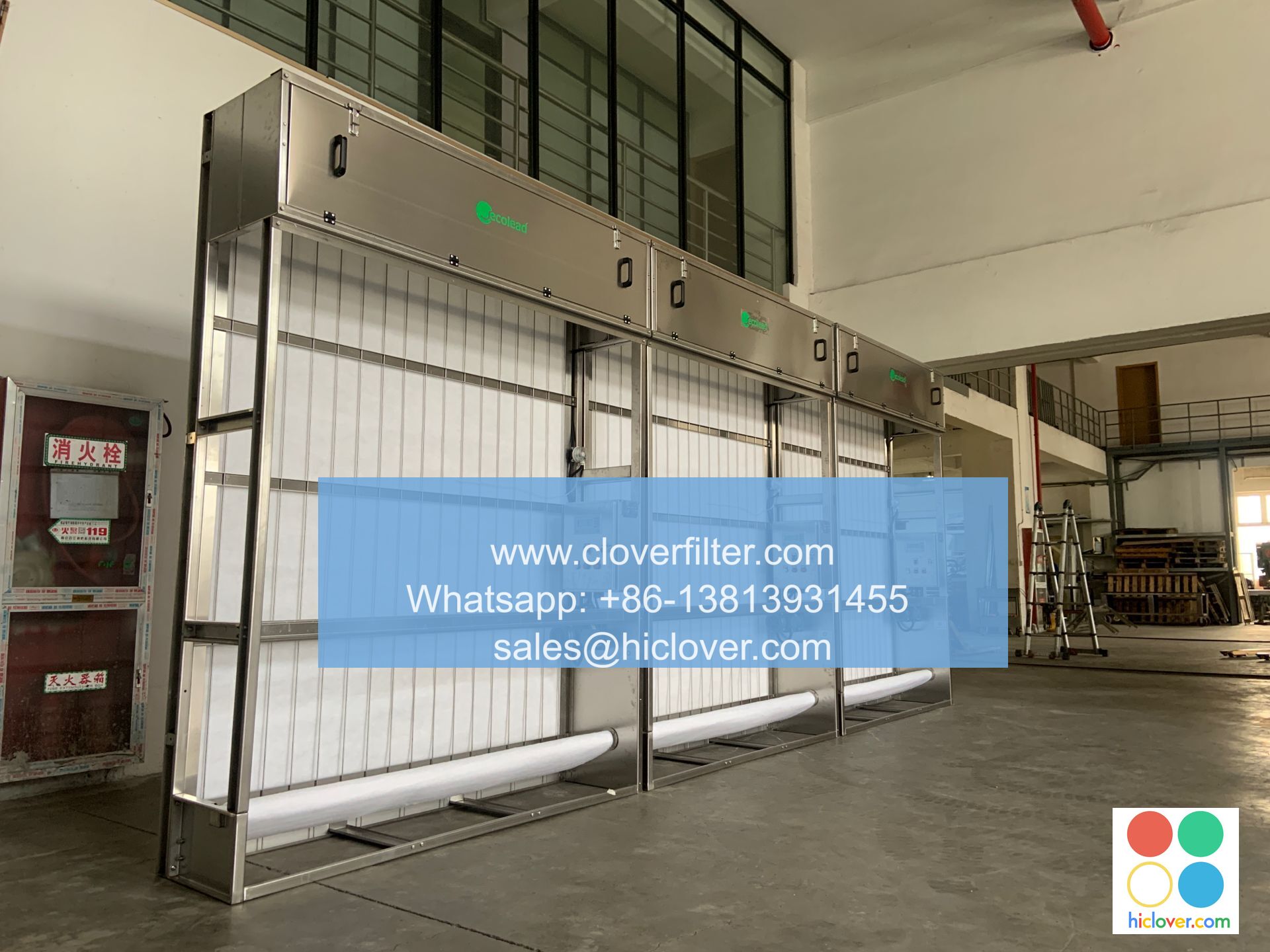
What is an Automatic Roll Air Filter?
An Automatic Roll Air Filter is an innovative solution designed for efficient air filtration in HVAC systems. This type of filter uses roll media that continuously advances, ensuring that clean air is always available for businesses requiring high air quality standards, such as data centers, hospitals, and manufacturing facilities. The advanced logic in the roll media provides a clever differential pressure trigger that activates the roll advancement when the pressure differential reaches a certain threshold. Alternatively, a timer mode allows for scheduled media advancement, optimizing maintenance routines and energy savings.
How Does an Automatic Roll Air Filter Work?
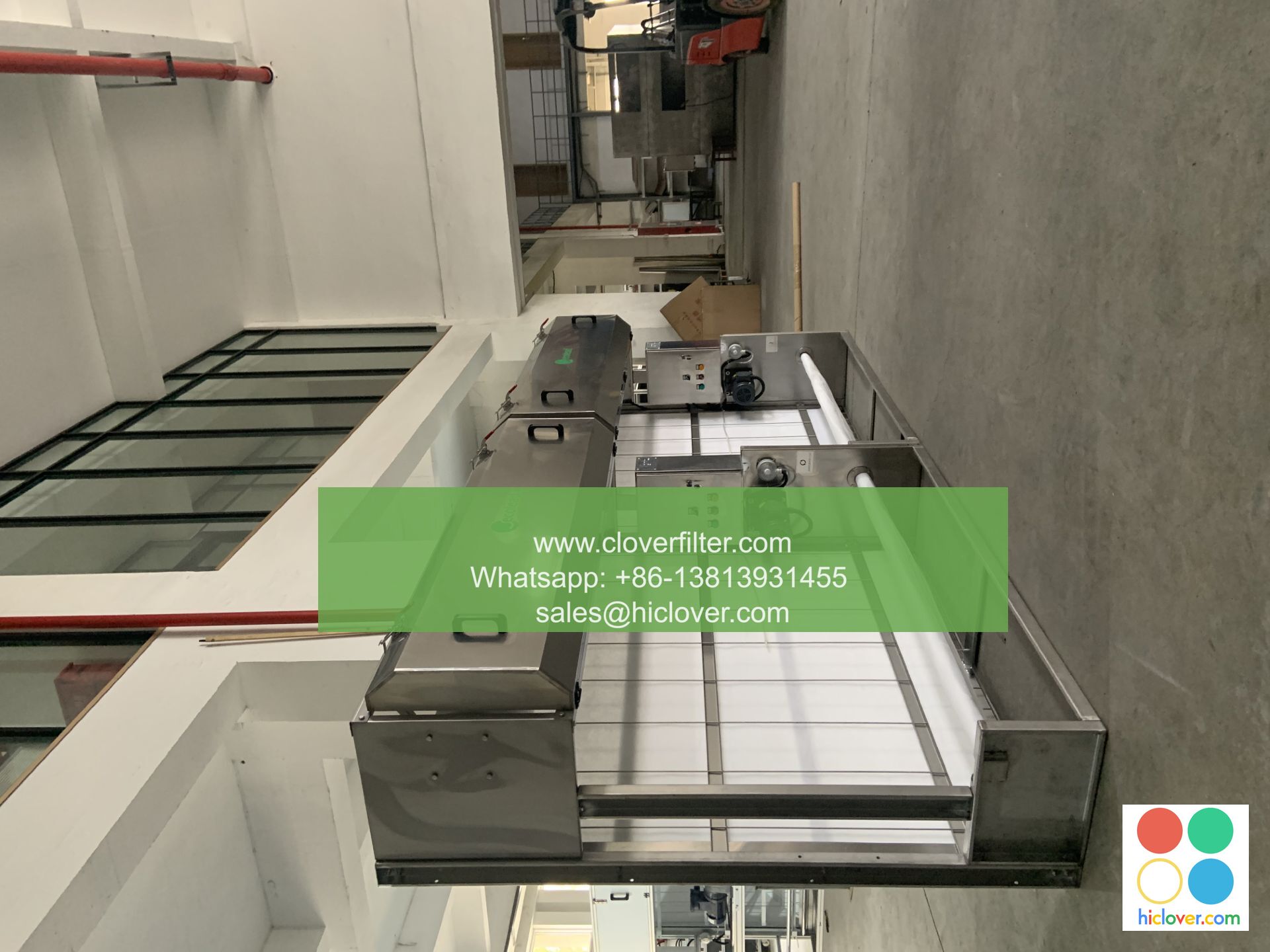
The flexibility of installation—including fresh air intake, return, or process—makes the Automatic Roll Air Filter a vital component in HVAC and AHU systems, enhancing overall air quality management.
A Practical Selection Guide
When choosing the right air filter for your needs, consider the following factors:
Comparing Different Types of Filters
| Filter Type | Best Use Case | Maintenance | Pressure Drop Behavior | Operating Cost | Typical Risk/Downside |
|---|---|---|---|---|---|
| Automatic Roll Filter | High-traffic environments | Low (automated) | Stable under load | Moderate | Initial setup complexity |
| Bag Filter | General-purpose applications | Moderate | Variable | Moderate | Space requirements |
| Panel Filter | Light-duty tasks | Low | Low | Low | Frequent replacements |
| V-bank Filter | High dirt loading | High | High | High | High resistance in airflow |
Common Mistakes & How to Avoid Them
Real-World Scenarios
Conclusion
The future of air filter production lies in innovative solutions like the Automatic Roll Air Filter. With the demand for cleaner air in critical environments escalating, the integration of advanced air filtration technology is crucial for optimizing HVAC performance. CloverFilter offers state-of-the-art solutions, including automatic roll media systems designed to meet the challenges of modern industrial air filtration needs.
To explore how CloverFilter can enhance your air filter production efforts and improve your facility’s air quality, visit CloverFilter.
Frequently Asked Questions
Q1: What industries benefit most from automatic roll air filters?
A1: Industries such as data centers, hospitals, and manufacturing facilities prioritize automatic roll air filters due to their stringent air quality demands.
Q2: How do I choose the right air filter for my facility?
A2: Evaluate your airflow needs, filter dimensions, maintenance requirements, and operational cost to select the best option.
Q3: What maintenance requirements are associated with roll filters?
A3: Maintenance is generally low due to automatic features that minimize human intervention.
Q4: Do automatic roll filters comply with any filtration standards?
A4: While not all filters are certified, many comply with ISO 16890 and MERV concepts. Always inquire about specific certifications if needed.
Q5: How do I know when it’s time to replace the filter?
A5: Differential pressure indicators or preset timer functions can signal when the media should be replaced or advanced.
Q6: Are automatic roll air filters energy-efficient?
A6: Yes, they often reduce energy usage by maintaining optimal airflow and minimizing pressure drop.
Meta Description: Explore the future of air filter production with advanced technologies like Automatic Roll Air Filters from CloverFilter. Efficient, reliable, and innovative solutions for your facility.
To learn more about optimizing your air filtration processes, contact CloverFilter at CloverFilter Contact.
It seems like you entered “Prompt.” Could you please provide more details or clarify what you’re looking for? Whether it’s a specific topic, writing prompt, question, or any other request, I’m here to help!
