The History of Air Filters: From Basic to High-Tech Solutions
Key Takeaways:
- Understanding air filters—from simple designs to sophisticated technologies—can enhance operational efficiency.
- Automatic Roll Air Filters improve maintenance reduction and energy savings.
- Selecting the right air filter affects air quality and operational costs in various industrial settings.
- Comparative evaluations can help identify the best filter solution for specific applications.
- Compliance with industry standards like ISO 16890 provides a framework for air filtration effectiveness.
- Airflow Range: Determine the necessary airflow (CFM) for your application.
- Face Velocity: Ensure optimal face velocity (fpm) based on the type of environment.
- Media Width/Length: Choose media size that fits your system efficiently to avoid frequent changes.
- Frame Size: Assess the compatibility of the frame size with your HVAC system.
- Control Options: Select control mechanisms that suit your management style.
- Power Supply: Verify compatibility with existing power systems for seamless operation.
- Installation Location: Identify the best placement, such as for fresh air intake or return systems.
- Ignoring Airflow Requirements: Always calculate the required CFM necessary for adequate filtration.
- Overlooking Maintenance Needs: Understand the implications of filter maintenance and select for low-maintenance options when possible.
- Choosing the Wrong Size: Ensure that frame sizes and media dimensions meet system specifications.
- Neglecting Specific Environment Factors: Evaluate space type to select filters that best meet unique needs (e.g., dust-heavy environments).
- Assuming All Filters Are Equal: Different environments require different filtration technologies—do your research!
- Underestimating Costs: Take into account not only initial costs but ongoing operating costs associated with each type.
- Misunderstanding Compliance: Familiarize yourself with general filtration standards to ensure adherence without over-promising capabilities.
- Selecting Low MERV Without Consideration: A balance of MERV ratings and airflow must be achieved based on system requirements.
- Lack of Monitoring: Regularly monitor filtration performance to ensure efficient operation.
- Overcomplicating Control Mechanisms: Too complex controls can lead to operational delays; simplicity often leads to efficiency.
The Evolution of Air Filtration Technology
Air filtration technology has undergone significant transformations over the past century, evolving from rudimentary cloth and paper filters to sophisticated devices designed for complex industrial environments. Understanding the air filter product sitemap can help procurement managers and facility engineers make informed decisions about which options best suit their operation.

From the earliest designs, intended to protect both equipment and workers from particulate contamination, to today’s high-tech solutions like the Automatic Roll Air Filter from CloverFilter, the aim remains the same: to maintain clean air and optimal system performance.
What is an Automatic Roll Air Filter?
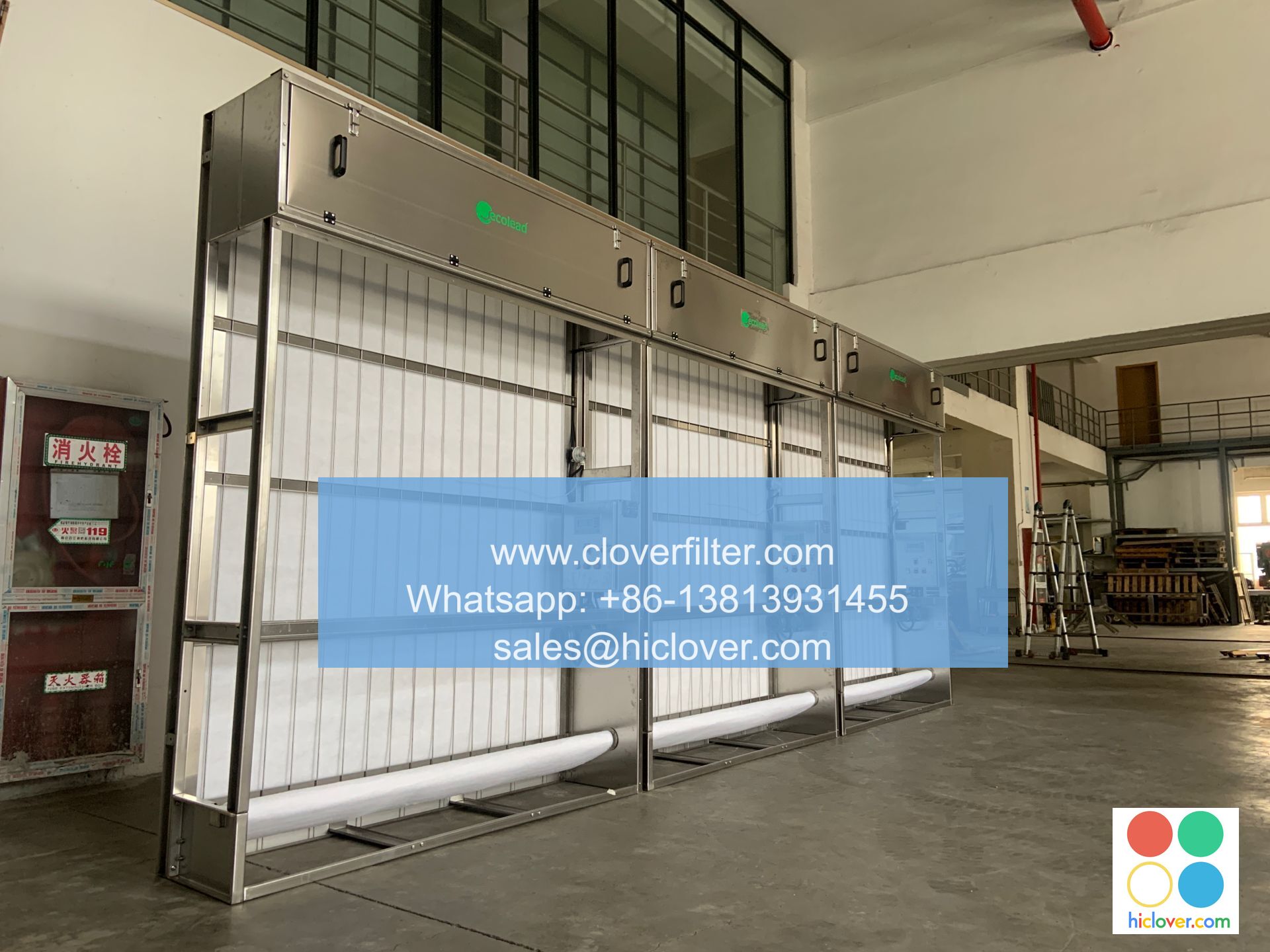
The Automatic Roll Air Filter is a dynamic filtering solution designed to enhance air quality and system efficiency. It operates using roll media that advances automatically based on differential pressure triggers. Once the pressure differential exceeds a predetermined threshold, the filter initiates either a timer mode or an automatic roll to maintain optimal air flow. This seamless operation minimizes manual checks and maintenance, providing a reliable air filtration solution.
These filters fit perfectly into HVAC systems like air handling units (AHUs), ensuring that fresh air intake and returned air are consistently filtered. The reduction in manual effort translates to increased maintenance reduction and energy savings, making the Automatic Roll Air Filter an invaluable asset.
Practical Selection Guide for Air Filters
When considering the best air filter options for your facility, keep in mind the following criteria:
Comparison Table of Filter Types
| Filter Type | Best Use Case | Maintenance | Pressure Drop Behavior | Operating Cost | Typical Risk/Downside |
|---|---|---|---|---|---|
| Automatic Roll Air Filter | Large industrial air handling | Low; self-adjusting | Minimal | Low due to energy savings | Requires initial setup |
| Bag Filter | Moderate particulate control | Moderate | Higher | Moderate | Frequent maintenance required |
| Panel Filter | Small to medium spaces | High | Moderate | Higher | Quick clogging in high-dust areas |
| V-bank Filter | High-efficiency applications | Low | Low | Moderate | Limited filtration area |
Common Mistakes & How to Avoid Them
Real-World Scenarios
Data Center
In a large data center, maintaining a stable temperature and air quality is crucial. Using the Automatic Roll Air Filter helped optimize the air flow and reduced maintenance effort, ensuring that sensitive equipment remained protected from particulate buildup.
Battery Factory
In a lithium battery production facility, the Automatic Roll Air Filter was integrated to control the quality of fresh air intake. The filters enabled efficient particulate control while minimizing the risk of contamination, crucial to product quality.
Paint Shop
In industrial paint booths, air filtration is critical for maintaining a safe working environment. The Automatic Roll Air Filter was installed to ensure continuous filtering of overspray particles, aligning with operational efficiency and regulatory standards.
Textile/Steel/Cement Plant
Within steel and cement plants, high levels of airborne dust demand robust filtration solutions. The adoption of Automatic Roll Air Filters has led to notable increases in energy savings and improved air quality, resulting in better worker conditions and compliance with general industry frameworks.
FAQ Section
Q1: What is the key function of an air filter?
A1: The primary function of an air filter is to remove particulates and contaminants from the air, ensuring cleaner air for the environment and protecting equipment.
Q2: How does the Automatic Roll Air Filter work?
A2: It operates by rolling advanced media, adjusting automatically based on differential pressure triggers to maintain optimal performance.
Q3: What are the benefits of using Automatic Roll Air Filters?
A3: They offer low maintenance, energy savings, and reliable performance in various industrial applications.
Q4: How do I know which filter is right for my facility?
A4: Consider factors like airflow requirements, maintenance needs, and environmental conditions to make an informed decision.
Q5: What is MERV, and why is it important?
A5: MERV (Minimum Efficiency Reporting Value) measures filter effectiveness at capturing airborne particles, essential for ensuring adequate air quality.
Q6: Can I get certifications on filters?
A6: Certifications may be available upon request, allowing you to verify compliance with applicable standards.
Meta Description: Explore the history of air filters and discover high-tech solutions like the Automatic Roll Air Filter from CloverFilter to enhance air quality and reduce maintenance.
CloverFilter provides solutions for effective air filtration. For detailed information or assistance, visit us at CloverFilter.
It seems you submitted just the word “Prompt.” Could you please provide more context or specify what you would like a prompt for? Whether it’s a story idea, writing exercise, or something else, I’m here to help!
