The Future of Defense Communications: Integrating Automatic HVAC Filtration Systems
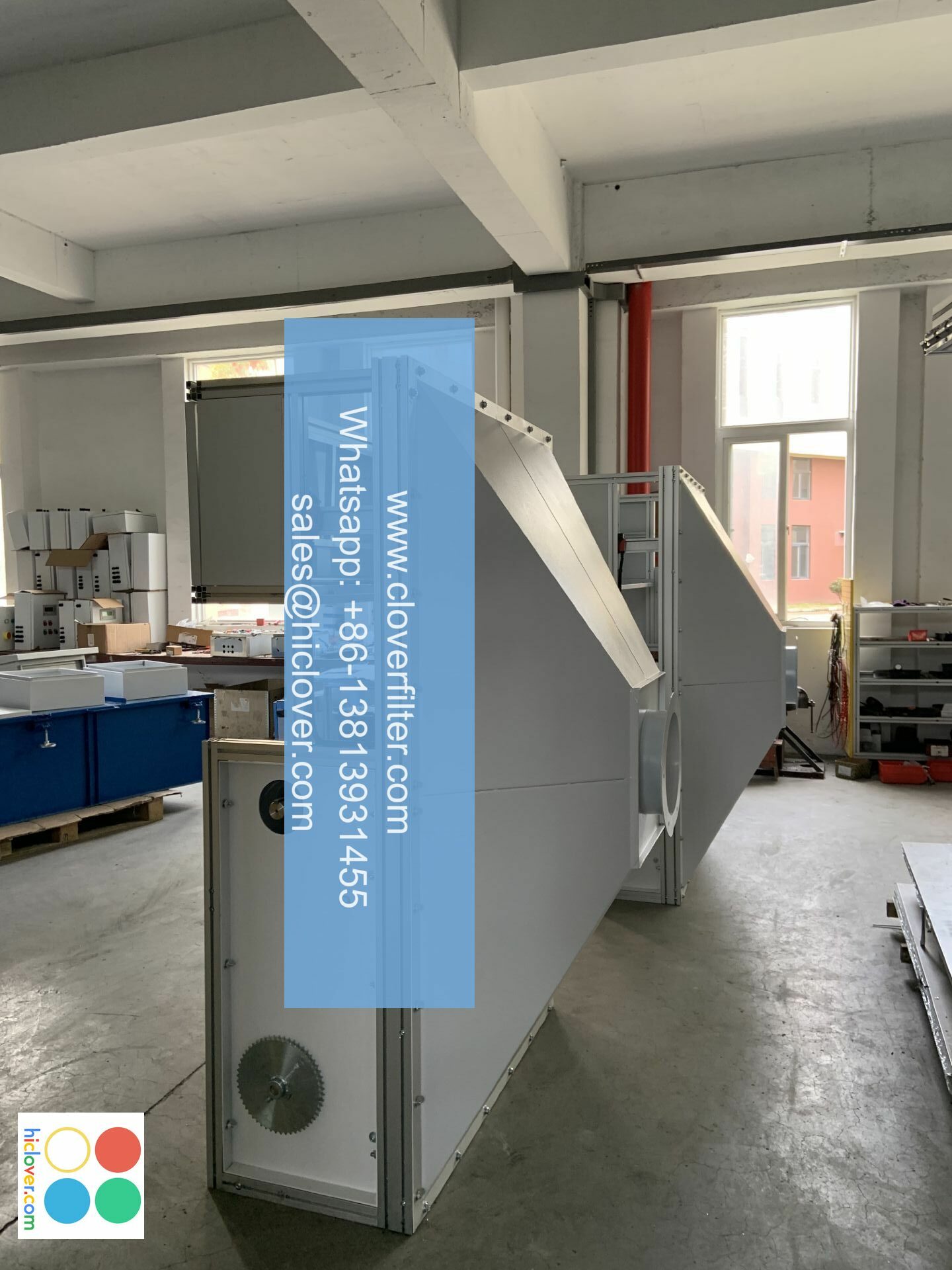
In the rapidly evolving landscape of defense communications, a significant shift is occurring as technology integrates with environmental control systems. Among these innovations, automatic HVAC filtration systems are proving to be crucial not just for maintaining air quality, but also for enhancing the resilience and effectiveness of defense operations.
Understanding the Importance of HVAC Systems in Defense
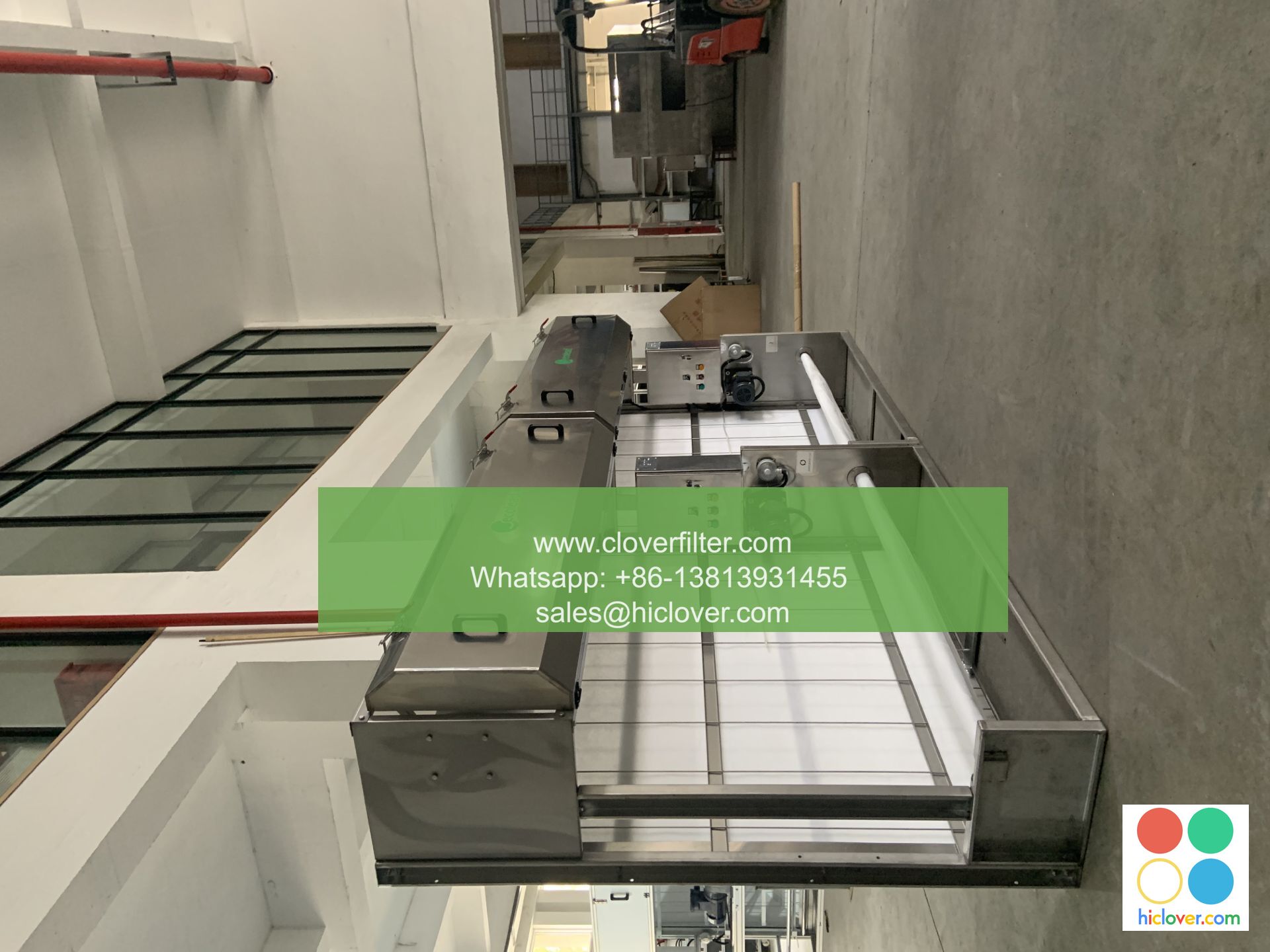
Heating, ventilation, and air conditioning (HVAC) systems play a critical role in ensuring optimal working conditions in defense facilities. However, their functionalities extend far beyond mere climate control. In defense environments, these systems are increasingly integrated with advanced communication infrastructure, offering several key benefits:
- Improved health and safety: Automatic HVAC systems with filtration capabilities remove airborne contaminants, ensuring a healthy environment for personnel.
- Operational resilience: They can maintain stable internal conditions even when external environments are compromised, such as during biological or chemical threats.
- Enhanced data security: In conjunction with secure communication technologies, these systems can also limit exposure to eavesdropping by controlling airborne transmissions.
Key Application Areas of Automatic HVAC Filtration Systems
With their integral role in defense communications, automatic HVAC filtration systems are being deployed across various application areas:

1. Military Command Centers
In command and control centers, maintaining a secure and comfortable environment is paramount. Automatic HVAC systems ensure that sensitive communications equipment operates efficiently while safeguarding personnel from environmental threats.
2. Medical Facilities
In military hospitals and field clinics, the implications of air quality are profound. Filtration systems can help prevent the spread of airborne diseases among personnel and patients, ensuring that the defense force remains operationally healthy.
3. Data Centers
As defense communications increasingly rely on data analytics and cloud technologies, efficient cooling and air quality management in data centers becomes critical. Automatic HVAC filtration systems can optimize energy use while preventing overheating of vital equipment.
4. Mobile Defense Platforms
In mobile command units or vehicles, the integration of HVAC systems not only contributes to personnel comfort but also facilitates secure communications in varying environments. The ability to filter air and control heating and cooling can enhance mission effectiveness.
Challenges and Considerations
Despite the advantages, several challenges must be considered when integrating automatic HVAC filtration systems into defense communications:
- Cybersecurity threats: With the integration of IoT technology, HVAC systems can become potential vulnerabilities if not adequately secured.
- Cost implications: Investment in advanced HVAC technology can be significant. However, the long-term benefits and savings in energy costs often justify the initial expenditure.
- Maintenance and training: Personnel must be properly trained to maintain and operate these complex systems to ensure they function effectively under duress.
Conclusion
The integration of automatic HVAC filtration systems in defense communications represents a transformative approach to ensuring operational efficiency and environmental safety. As we look to the future, aligning innovative technologies with defense strategies will be essential in advancing national security. By fostering a holistic approach that encompasses both communication technologies and environmental controls, defense organizations can enhance their capabilities in an increasingly complex world.
It seems like you might have intended to provide a specific prompt or topic for discussion but didn’t include the details. Could you please clarify or specify what you’d like to talk about?
