How Air Filters are Tested: Insights into Standard Procedures
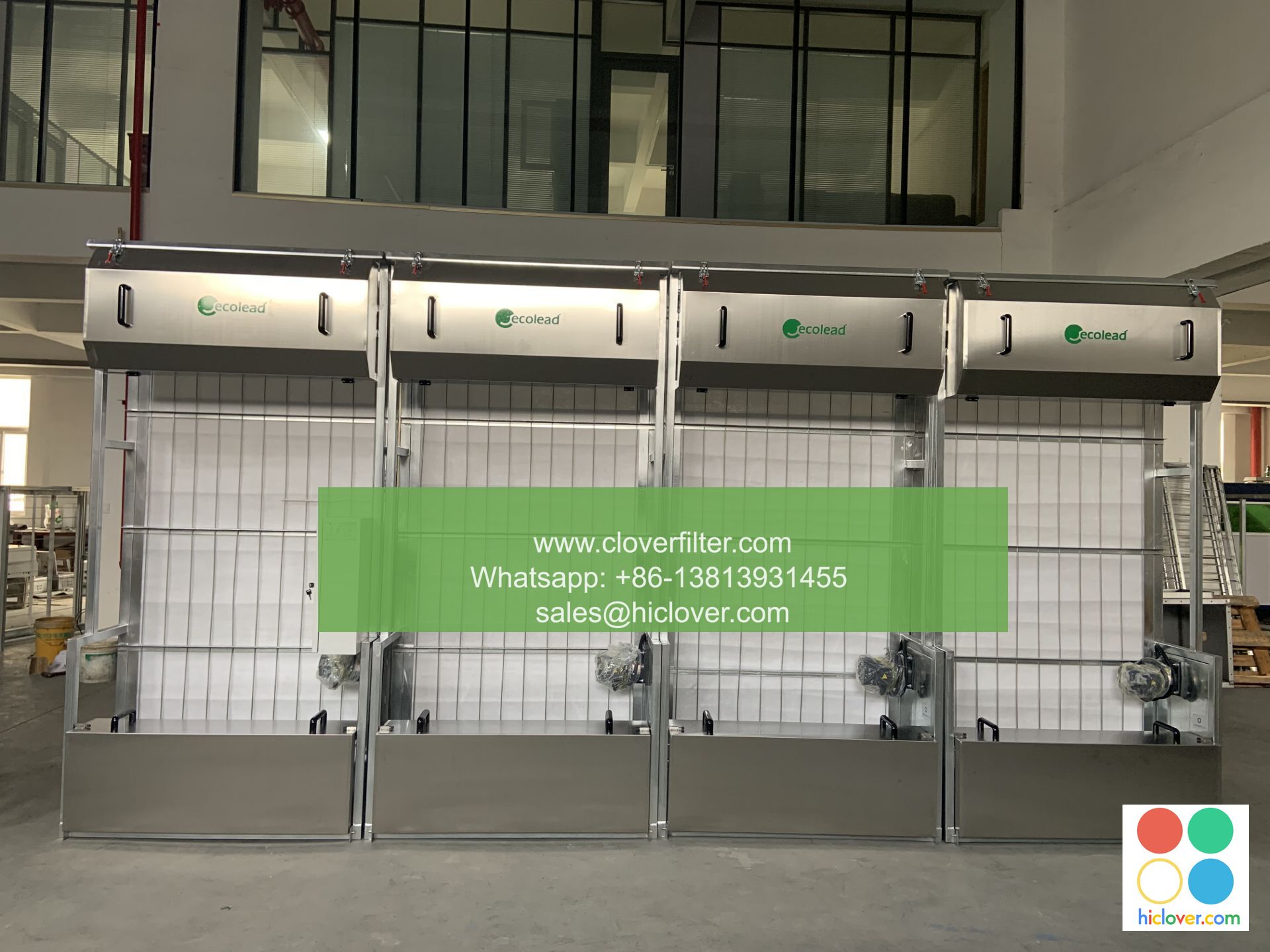
- Understanding air filter testing is crucial for industrial procurement.
- Air filter standards guide manufacturers and users on efficiency and compliance.
- The Automatic Roll Air Filter exemplifies advanced air filtration technology.
- Correct filter selection can significantly impact operational costs and efficiency.
- Knowledge of common mistakes helps in making informed decisions.
- Real-world scenarios illustrate the performance of air filters across industries.
- Familiarity with compliance frameworks ensures informed procurement decisions.
- Roll Media Advance Logic: The filter continuously uses fresh media while minimizing waste, as you don’t replace the entire filter but only the soiled portion when needed.
- Differential Pressure Trigger: This feature indicates when the resistance across the filter reaches predetermined levels, signaling an automatic media advance and replacement.
- Timer Mode: Users can set up a timer to control the media advance, making it suitable for applications with fluctuating air quality requirements.
- Airflow Range: Ensure the filter matches your HVAC system’s airflow capacity.
- Face Velocity: Optimal velocities prevent filter loading and maintain efficiency.
- Media Width/Length: Tailor the dimensions to fit specific AHU designs.
- Frame Size: Choose frames that integrate seamlessly into existing systems.
- Control Options: Look for flexibility in control systems for automation.
- Power Supply: Confirm compatibility with your facility’s electrical standards.
- Installation Location: Ensure suitability for applications like fresh air intake or return air systems.
- Overestimating Filter Lifespan: Regular monitoring is key.
- Ignoring Manufacturer Guidelines: Always consult product manuals.
- Choosing Filters Based on Cost Alone: Consider long-term operational efficiency.
- Neglecting Pressure Drop Measurements: High drop leads to reduced HVAC efficiency.
- Misjudging Air Quality Needs: Assess specific particulate control requirements based on applications.
- Failing to Regularly Inspect Filters: Schedule routine checks to avoid unexpected downtimes.
- Inadequate Training for Staff: Ensure personnel understands proper maintenance protocols for filters.
-
Data Center: In a leading data center, the Automatic Roll Air Filter maintains optimal air quality, ensuring efficient cooling and protecting sensitive electronics from airborne particulates.
-
Lithium Battery Factory: A battery manufacturer used the Automatic Roll Air Filter to control contaminants, significantly reducing maintenance needs and improving product quality.
-
Paint Shop: In a paint coating facility, the use of this advanced filter technology prevented overspray and minimized the environmental impact, maintaining a clean workspace.
-
Textile/Cement Plant: For a cement plant, the Automatic Roll Air Filter successfully reduced dust emissions while enhancing overall air quality, ensuring compliance with industry regulations.
- Air filter standards are vital for the effective operation of HVAC systems.
- The Automatic Roll Air Filter from CloverFilter ensures high efficiency with low maintenance.
- Proper selection based on system specifications enhances performance and reduces costs.
- Awareness of common mistakes can optimize filter use and procurement.
- Real-world scenarios demonstrate the versatility and effectiveness of automatic filters across industries.

Introduction to Air Filter Standards
Air filter standards are critical for ensuring the effective operation of HVAC systems across various industries. These standards evaluate a filter’s efficiency, durability, and suitability for specific applications. For procurement managers and facility engineers, understanding these standards aids in selecting the right filters—like the innovative Automatic Roll Air Filter from CloverFilter—for improved air quality and operational efficiency.

What is an Automatic Roll Air Filter?
An Automatic Roll Air Filter is a highly efficient air filtration solution designed for heavy-duty applications. It uses a roll media that advances progressively, ensuring that clean filter media is always presented to the air stream. This mechanism utilizes differential pressure triggers that automatically detect when the filter is saturated and requires a replacement. It can operate in various modes, including timer-based operations, allowing for flexibility in air filtration schedules.
How It Works
Where It Fits in HVAC and AHU Systems
Automatic Roll Air Filters are ideal for a range of applications, including fresh air intakes, return air systems, and process air filtration in environments like manufacturing plants and hospitals. Their design allows for high airflow rates while maintaining low pressure drops—an essential aspect of HVAC efficiency.
Practical Selection Guide for Automatic Roll Air Filters
When selecting an Automatic Roll Air Filter, consider the following specifications:
Comparison Table: Air Filter Types
| Filter Type | Best Use Case | Maintenance | Pressure Drop Behavior | Operating Cost | Typical Risk/Downside |
|---|---|---|---|---|---|
| Automatic Roll Air Filter | High air quality environments | Low (automatic media advance) | Stable | Lower over time | Initial installation cost |
| Bag Filter | Mid-range applications | Moderate | Moderate | Medium | Bag replacement necessity |
| Panel Filter | Light-duty applications | High (manual change) | Minimal | Higher over time | Frequent replacements needed |
| V-bank Filter | High airflow requirements | Moderate | Moderate | Medium | Potential airflow limitations |
Common Mistakes & How to Avoid Them
Real-World Scenarios of Automatic Roll Air Filter Usage
Compliance and Air Filter Standards
Navigating compliance is essential, as air filter standards influence many operational decisions. While frameworks like ISO 16890, EN 779, and the MERV concept provide guiding principles, always verify the specific certifications available on request. CloverFilter maintains awareness of these standards to ensure its products meet or exceed industry expectations.
FAQ Section
Q1: What is the lifespan of an Automatic Roll Air Filter?
A1: Lifespan varies based on usage and conditions; monitoring differential pressure is crucial for timely replacements.
Q2: How do I install an Automatic Roll Air Filter?
A2: Installation typically involves mounting in the designated space, ensuring all connections are secure, and configuring the control settings.
Q3: Can I use these filters in any HVAC system?
A3: While adaptable, always ensure compatibility with your specific HVAC configuration and airflow requirements.
Q4: What happens if I don’t change the filter on time?
A4: Delayed changes can lead to increased energy costs and compromised air quality, affecting system efficiency.
Q5: Are Automatic Roll Air Filters environmentally friendly?
A5: Yes, they reduce waste compared to traditional filters and enhance energy efficiency.
Q6: What type of maintenance do these filters require?
A6: Routine checks for operational integrity and timely media replacement are recommended; automatic features simplify the process.
Key Takeaways
CloverFilter offers a range of air filtration solutions designed to meet your unique industrial needs. For more information about the Automatic Roll Air Filter and to ensure your facility operates at its best, visit CloverFilter at CloverFilter. For inquiries, reach out through our contact form here.
Meta Description: Discover how air filters are tested and learn about air filter standards that ensure efficiency and compliance in your HVAC systems.
Sure! It looks like your message was cut off. Could you please provide more details or clarify what you’re looking for? Whether it’s a creative writing prompt, a specific topic for discussion, or something else, I’m here to help!
