A Comparative Study of Dust Filtration Systems: Roll vs. Traditional Approaches
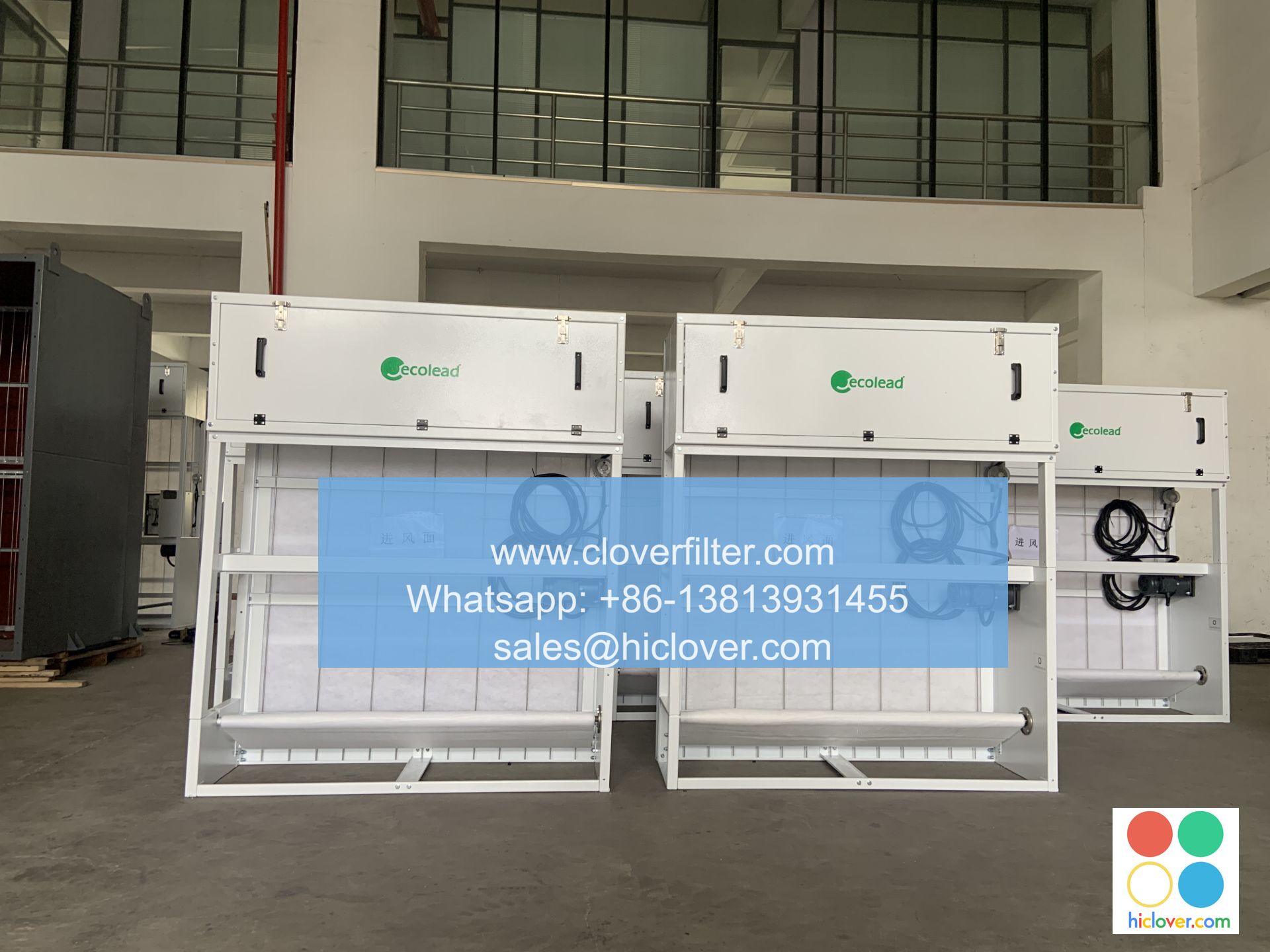
In today’s industrial landscape, effective dust filtration systems are crucial for maintaining air quality and ensuring compliance with environmental regulations. Among the various filtration methods, roll filtration systems are gaining prominence as viable alternatives to traditional dust collection techniques. This article delves into a comparative study of these two approaches, exploring their advantages, disadvantages, and application areas.
Understanding Dust Filtration Systems

Dust filtration systems are engineered to remove particulate matter from the air, thereby safeguarding workers’ health and preserving equipment integrity. Traditional systems, often featuring bag or cartridge filters, have been the backbone of dust control for decades. Roll filtration systems, on the other hand, utilize a continuous roll of filter media that can provide a more efficient filtering process.
Traditional Dust Filtration Systems
Overview
Traditional dust filtration systems typically consist of bag filters or cartridge filters housed in a filtration unit. Air containing dust particles enters the system, where the particulate matter is captured by the filter media.
Advantages
- Proven Technology: Traditional systems have a long-standing history of use in various industries, making them a reliable choice.
- Lower Initial Costs: Generally, the upfront investment for traditional filtration systems is lower.
- Ease of Maintenance: Maintenance processes are typically well-established and understood by technicians.
- Clogging Issues: Bag and cartridge filters can become clogged, leading to increased maintenance needs and reduced efficiency.
- Space Requirements: Traditional systems may require more physical space due to their bulkier designs.
- Higher Efficiency: The continuous filtration process minimizes clogging and maximizes dust collection efficiency.
- Space-Saving Design: Roll systems require less space due to their compact nature.
- Lower Operating Costs: Reduced maintenance and higher efficiency lead to lower long-term operational costs.
- Higher Initial Investment: The upfront cost of roll filtration systems may be higher compared to traditional systems.
- Technological Familiarity: Newer technology may require additional training for operational staff.

Disadvantages
Roll Dust Filtration Systems
Overview
Roll dust filtration systems consist of a continuous roll of filter material that is fed through a housing unit. This design allows for constant and efficient use of the filtering media.
Advantages
Disadvantages
Applications in Various Industries
Both traditional and roll dust filtration systems find applications across various sectors, including:
1. Manufacturing
In manufacturing facilities, particularly in woodworking and metalworking, both systems are utilized to control hazardous dust particles generated during the production process.
2. Pharmaceutical
Pharmaceutical manufacturing demands strict air quality control, making efficient dust filtration essential to maintain compliance and product integrity.
3. Food Processing
In food processing environments, roll systems offer an advantage due to their lower clogging rates, ensuring a higher level of hygiene and safety compliance.
4. Mining
Dust control in mining operations is crucial, where traditional systems have held a strong presence but are increasingly being replaced by more modern roll systems due to efficiency.
Conclusion
In conclusion, the decision between roll and traditional dust filtration systems hinges on several factors, including efficiency requirements, budget constraints, and operational space. While traditional systems have served industries faithfully for years, roll filtration systems represent a significant advancement in dust control technology. By understanding the strengths and weaknesses of each approach, industries can make informed choices to optimize air quality management and ensure regulatory compliance.
It seems like you are looking for a prompt to get started with something. Could you clarify what type of prompt you need? For instance, are you looking for creative writing, a discussion topic, an art project, or something else? Let me know, and I’d be happy to help!
