Environmental Benefits of Automatic Roll Dust Filters in Rail Centers: A Kenyan Perspective
In Kenya, the growth of the rail transport sector has been unprecedented, serving as a backbone for trade and mobility. However, this growth comes with environmental challenges, particularly air pollution due to dust and particulates that accumulate in and around rail centers. Fortunately, the advent of automatic roll dust filters presents a viable solution with numerous environmental benefits.
Understanding Automatic Roll Dust Filters

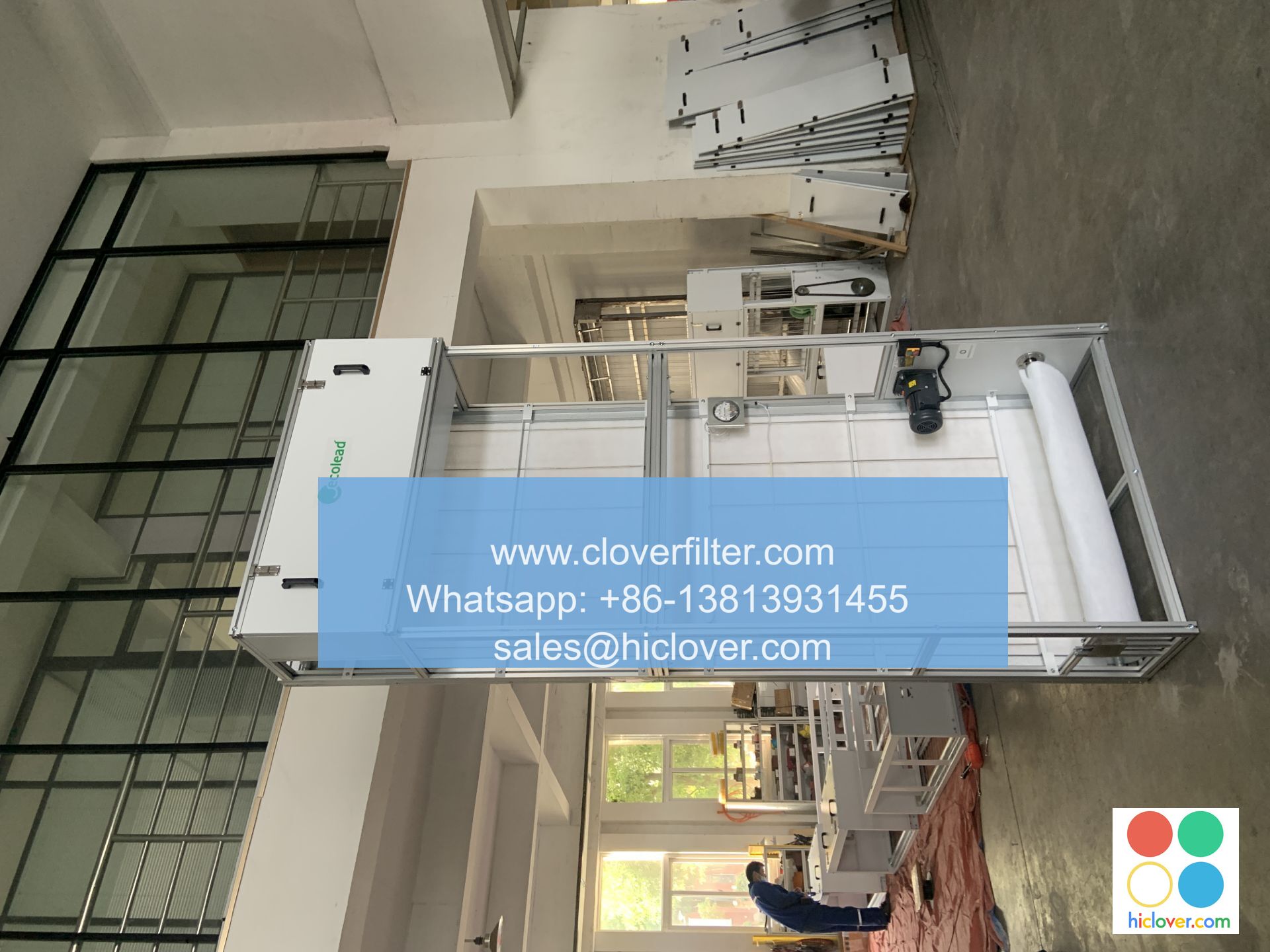
Automatic roll dust filters are advanced filtration systems designed to capture airborne particles efficiently. These filters utilize a roll mechanism that automatically cleans itself, reducing maintenance needs and ensuring optimal performance. The application of these filters in rail centers not only promotes a cleaner atmosphere but also embodies sustainable practices essential for environmental conservation.
Environmental Benefits
1. Improved Air Quality
The most significant environmental benefit of implementing automatic roll dust filters is the enhancement of air quality. By effectively removing dust and particulate matter, these filters contribute to healthier environments for workers and nearby communities. In a country like Kenya, where respiratory issues are prevalent, cleaner air can lead to significant public health benefits.
2. Reduction of Dust Pollution
Rail centers often experience high levels of dust due to the movement of trains and vehicles. Automatic roll dust filters are specifically designed to mitigate this issue. They capture large volumes of dust particles, preventing them from dispersing into the atmosphere. This is especially crucial in urban areas like Nairobi, where dust pollution can be exacerbated by construction and vehicular traffic.
3. Sustainability and Energy Efficiency
Another noteworthy benefit is the sustainability aspect of automatic roll dust filters. These systems are typically designed for energy efficiency, utilizing less power compared to traditional cleaning systems. This aligns with Kenya’s goals for sustainable energy use and reducing carbon footprints in industrial operations.
4. Compliance with Environmental Regulations
Kenya has been establishing strict environmental regulations to combat industrial pollution. The adoption of automatic roll dust filters can help rail centers comply with these regulations, reducing the risk of fines and enhancing their reputation as environmentally responsible entities.
Application Areas in Rail Centers
1. Maintenance Yards
Automatic roll dust filters can be particularly effective in maintenance yards, where dust accumulation from heavy machinery is a constant challenge. By deploying these filters, rail centers can maintain cleaner working conditions and mitigate health risks for engineers and technicians.
2. Loading and Unloading Zones
The loading and unloading of goods at rail centers generate significant dust. Installing automatic roll dust filters in these zones can significantly reduce airborne particulates, ensuring that both workers and nearby residents experience less dust-related health issues.
3. Passenger Terminals
In passenger terminals, ensuring a pleasant and healthy environment is paramount. Automatic roll dust filters can enhance air quality in waiting areas and ticketing zones, leading to a more comfortable experience for travelers.
Conclusion
The integration of automatic roll dust filters in rail centers across Kenya promises significant environmental benefits. By improving air quality, reducing dust pollution, and promoting sustainability, these systems provide a pathway towards healthier rail operations that align with Kenya’s environmental goals. As the country continues to enhance its rail infrastructure, embracing such innovations will be crucial for maintaining a balance between industrial growth and environmental responsibility.
It seems like your message got cut off or you didn’t specify your request. Could you please provide more details or clarify what prompt you would like assistance with?
