The Impact of New Regulations on Air Filter Manufacturers
Key Takeaways
- New air filter industry standards drive technological advancements in filtration systems.
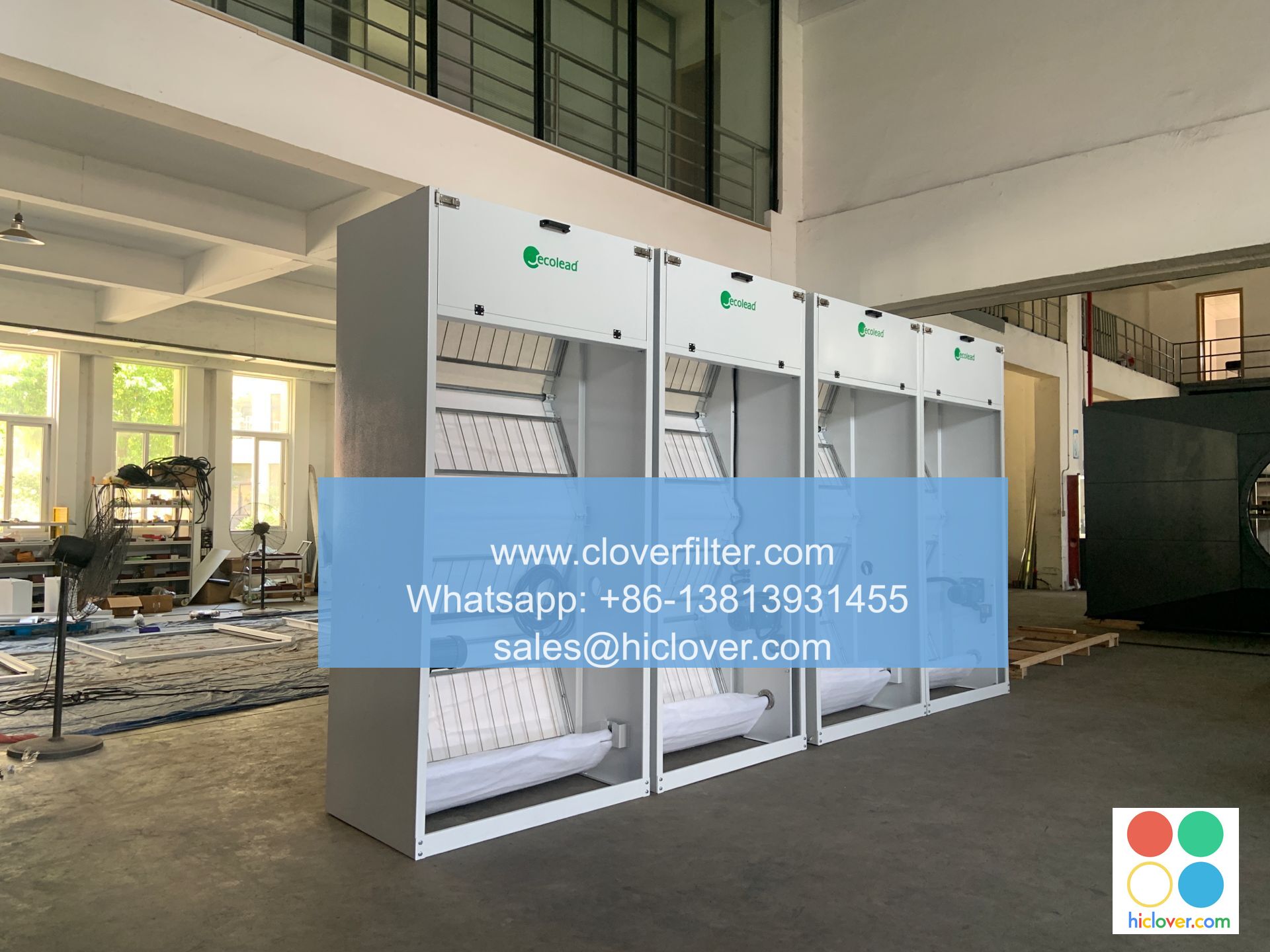
- Automatic Roll Air Filters enhance efficiency and reduce maintenance requirements.
- Compliance with regulations like ISO 16890 ensures better air quality.
- Proper selection of air filters can optimize HVAC performance in various industries.
- Understanding different air filter types is essential for cost management.
- Manufacturer partnerships enhance procurement strategies for compliance.
- Airflow Range: Understand system specifications to select a filter that can handle the required airflow without compromising performance.
- Face Velocity: This parameter determines how fast air passes through the filter; optimal face velocity ensures efficiency without excessive pressure drop.
- Media Width/Length: Choose dimensions that fit within your existing infrastructure. CloverFilter offers various sizes to accommodate specific installation needs.
- Frame Size: Ensure compatibility with your HVAC system to maximize the effectiveness of the filter.
- Control Options: Determine whether you need manual or automatic controls to facilitate operation and maintenance.
- Power Supply: Assess the voltage and current requirements to ensure proper installation.
- Installation Location: Identify whether the filter will be used at fresh air intake, return, or process points for optimum effectiveness.
- Underestimating Airflow Needs: Always refer to manufacturer specifications.
- Ignoring Differential Pressure Monitoring: Utilize pressure gauges to track filter performance.
- Choosing Wrong Media Type: Ensure compatibility with the specific environment.
- Neglecting Maintenance Schedules: Establish routine inspections to spot issues before they escalate.
- Improper Installation: Hire professionals if unsure about fitting.
- Focusing Solely on Cost: Consider long-term efficiency and energy savings alongside initial investment.
- Overlooking Local Regulations: Stay updated on local standards that may affect operations.
- Using Outdated Filter Technology: Seek modern solutions like CloverFilter’s innovations for optimal results.
- Not Consulting with Experts: Engage with air quality professionals for tailored advice.
- Misjudging Filter Lifespan: Regularly assess conditions affecting filter performance and replace as required.
-
Data Center: A major data center implemented CloverFilter’s Automatic Roll Air Filters to enhance air quality and improve cooling efficiency, allowing for an 18% reduction in energy costs and extending the life of costly IT equipment.
-
Battery Factory: In a lithium battery production facility, automatic roll filters significantly decreased particulate contamination, ensuring compliance with strict cleanroom standards without the burden of frequent manual changes.
-
Paint Shop: A commercial painting service adopted an Automatic Roll Air Filter to tackle overspray and airborne contaminants. Their maintenance needs plummeted, allowing for a smoother production line and improved product quality.
-
Textile/Steel/Cement Plant: Within a large textile and cement manufacturing plant, CloverFilter’s products greatly improved the efficiency of filtration systems, resulting in reduced air pollution and worker health benefits.

Understanding Automatic Roll Air Filters
An Automatic Roll Air Filter is a state-of-the-art filtration solution designed for various industrial applications. It employs a continuous roll media that advances based on defined logic, promoting optimal particulate control while minimizing maintenance interruptions. The filter’s operation is governed by a differential pressure trigger, ensuring that when resistance to airflow reaches a certain threshold, the filter rolls forward to reveal a clean section of media. This capability enhances operational efficiency while prolonging the life of HVAC systems.

In HVAC and AHU (Air Handling Unit) systems, Automatic Roll Air Filters traditionally occupy the pre-filter position, where they serve to capture larger particles before they can reach more sensitive filters downstream. This positioning not only protects subsequent filter stages but can also significantly improve energy efficiency and help maintain optimal airflow.
Air Filter Industry Standards: An Overview
With the introduction of new regulations and increasingly stringent air filter industry standards, manufacturers are compelled to innovate continuously. These changes are largely driven by public health considerations and the urgent need for improved air quality in commercial and industrial environments.
The ISO 16890 standard, for example, is impacting how air filters are classified and tested, requiring a more thorough examination of filter efficiency at removing particulate matter. As a result, manufacturers like CloverFilter are adapting their products to meet or exceed these regulatory benchmarks.
Practical Selection Guide for Air Filters
When selecting an Automatic Roll Air Filter, several factors must be taken into consideration, including:
Comparison of Filter Types
| Filter Type | Best Use Case | Maintenance | Pressure Drop Behavior | Operating Cost | Typical Risk/Downside |
|---|---|---|---|---|---|
| Automatic Roll Air Filter | High particulate environments | Low; automated media change | Consistent, low drop | Competitive | Requires careful installation |
| Bag Filter | General industrial use | Moderate | Variable; can be high | Moderate | Space-consuming |
| Panel Filter | Residential/light-duty use | High | Low, but increases over time | Low | Short lifespan |
| V-bank | HVAC systems with space constraints | Moderate | Moderate | Moderate | Limited particulate control |
Common Mistakes & How to Avoid Them
Real-World Scenarios
FAQ Section
Q1: What are the benefits of using an Automatic Roll Air Filter?
A1: These filters reduce maintenance, enhance air quality, and provide consistent airflow, leading to energy savings.
Q2: How does an Automatic Roll Air Filter work?
A2: It uses a roll media that advances automatically based on pressure signals, exposing clean media when resistance builds.
Q3: Can Automatic Roll Air Filters be used in all HVAC systems?
A3: They are adaptable and compatible with many systems, but it is essential to verify specifications for optimal performance.
Q4: What standards should air filters comply with?
A4: Look for compliance with ISO 16890, MERV ratings, and other relevant industry standards for assurance of air quality.
Q5: How often should filters be replaced?
A5: Replacement frequency can vary based on application, environment, and manufacturer guidelines; monitoring pressure differential can help determine optimal timing.
Q6: What distinguishes CloverFilter’s products from competitors?
A6: CloverFilter offers innovative designs, like their Automatic Roll Air Filter, that focus on efficiency and reducing maintenance costs, alongside compliance with industry standards.
Meta Description: Discover how new air filter industry standards impact manufacturers, focusing on innovations like Automatic Roll Air Filters from CloverFilter.
CloverFilter is committed to providing advanced air filtration solutions tailored to your industrial needs. For inquiries, visit CloverFilter contact page.
It looks like your message might have been cut off. Could you please provide more details or clarify what you need? Whether you’re looking for a writing prompt, assistance with a topic, or something else, I’m here to help!
