A Comparative Study of Manual vs. Automatic Intake Filters in Tanzanian Hospitals
The significance of clean and safe air in hospital environments cannot be overstated, especially in a country like Tanzania, where healthcare systems are still evolving. With advancements in technology, healthcare facilities are increasingly faced with the choice between manual and automatic intake filters for their ventilation systems. This article aims to provide insights into the comparative effectiveness, practicality, and application areas of these two types of filters in Tanzanian hospitals.
Understanding Manual Intake Filters

Manual intake filters, as the name suggests, require frequent human intervention for maintenance and replacement. Typically, these filters are made of mesh or HEPA materials that can capture various airborne particles, including dust, pollen, and pathogens. They are often preferable in situations where cost savings and simplicity are prioritized.
Pros of Manual Intake Filters
- Cost-Effectiveness: Manual filters tend to have lower initial costs compared to automatic filters, making them attractive for budget-constrained hospitals.
- Simplicity: The operation and installation of manual filters are straightforward, requiring minimal technical expertise.
- Flexibility: Hospitals can choose from a range of filter types based on their specific needs, and replacements can be done efficiently.
Cons of Manual Intake Filters

- Labor-Intensive: Regular manual checks and replacements require staffing and can be neglected due to workload.
- Inconsistent Monitoring: Data on filter efficiency and air quality may not be systematically recorded, leading to potential lapses in air safety.
The Rise of Automatic Intake Filters
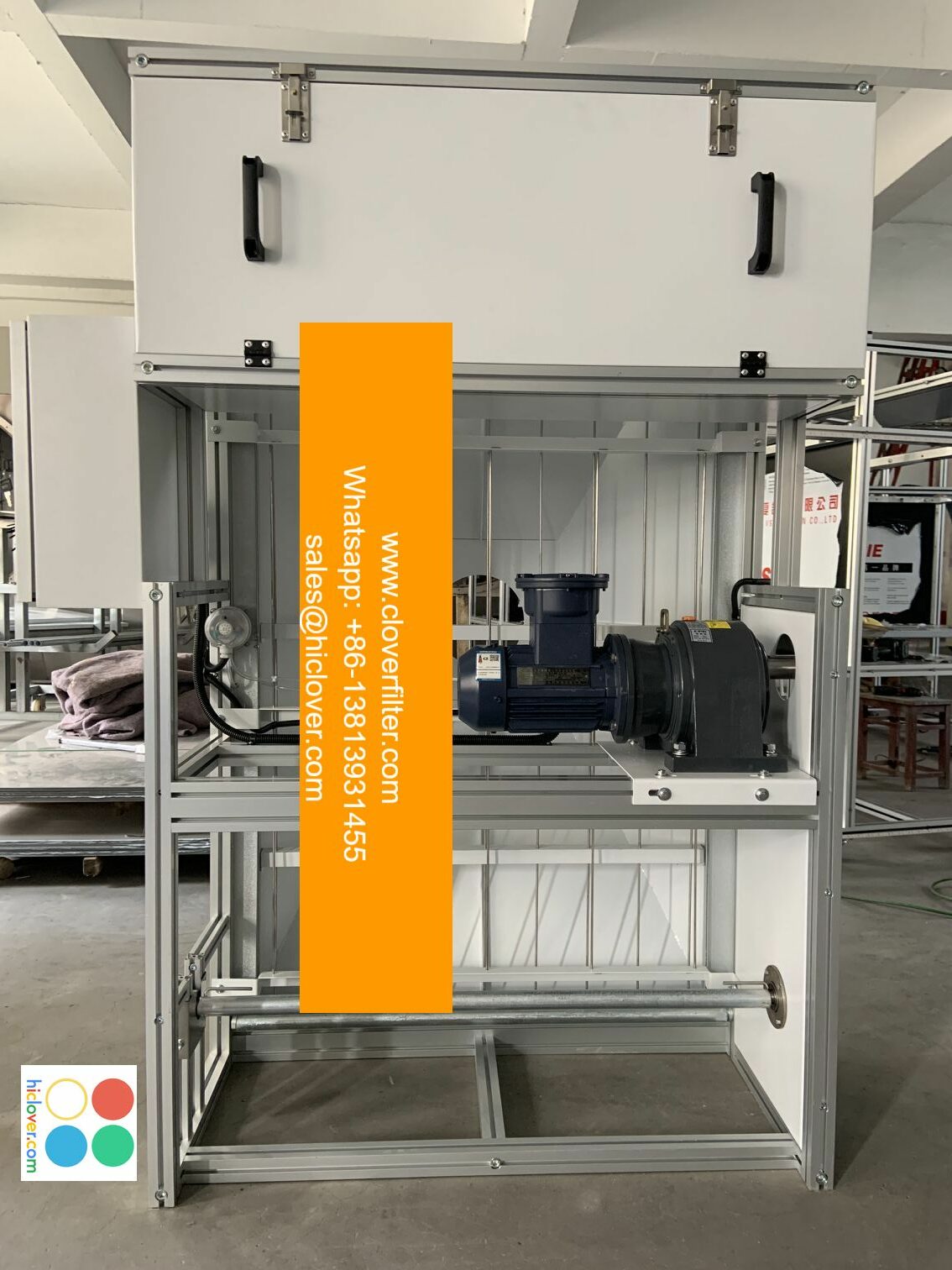
Conversely, automatic intake filters are equipped with advanced technology that allows them to self-clean, monitor air quality, and notify staff when maintenance is needed. These filters often utilize sophisticated sensors to detect changes in air quality and adjust filtration settings accordingly.
Pros of Automatic Intake Filters
- Enhanced Efficiency: They provide a consistent level of air quality without the need for constant human oversight.
- Real-Time Data Monitoring: Automatic systems can offer valuable data analytics that assist in decision-making and improve operational protocols.
- Reduced Labor Costs: By automating the filtration process, hospitals can allocate human resources to other critical medical tasks.
Cons of Automatic Intake Filters
- Higher Initial Investment: The upfront costs for purchasing and installing automatic filters can be substantial.
- Technical Complexity: Maintenance and troubleshooting require specialized knowledge, adding another layer of complexity to hospital operations.
Comparative Analysis: Manual vs. Automatic Intake Filters
Performance Metrics
When evaluating the efficiency and functionality of manual versus automatic intake filters, key performance metrics such as filtration efficiency, cost, maintenance requirements, and staff workload should be considered.
- Filtration Efficiency: Automatic filters usually provide superior performance in capturing smaller particles and pathogens, thus promoting a safer environment.
- Cost: While manual filters are cheaper upfront, their long-term costs can escalate when factoring in labor expenses and inefficiencies.
- Maintenance Requirements: Automatic systems reduce the burden on hospital staff, allowing for more focus on patient care.
Application Areas
In Tanzanian hospitals, the application areas of these filters can vary significantly based on the facility’s requirements:
- General Wards: Manual filters may suffice for less critical areas where budget limitations are a concern.
- Intensive Care Units (ICUs): Automatic filters are preferable in ICUs and surgical theaters, where air quality is crucial for patient safety.
- Infection Control Zones: Areas dealing with infectious diseases require the highest level of filtration, making automatic intake filters the better choice.
Conclusion
The choice between manual and automatic intake filters in Tanzanian hospitals is dictated by several factors including budget constraints, specific clinical needs, and operational capacities. While both types of filters play crucial roles in maintaining air quality, the increasing emphasis on infection control and patient safety may sway more facilities toward adopting automatic systems. A thorough assessment of the unique needs and resources of each hospital will guide the optimal decision.
As Tanzania’s healthcare sector continues to develop, the integration of modern air filtration technology will likely enhance the overall quality of patient care, proving that investing in the right air filtration system is not merely an operational choice, but a pivotal step toward safer healthcare environments.
It seems you entered “Prompt” without additional context. Could you please provide more details or clarify what you’re looking for? Are you requesting a writing prompt, a topic for discussion, or something else?
