Best Practices for Installing Air Filter Systems
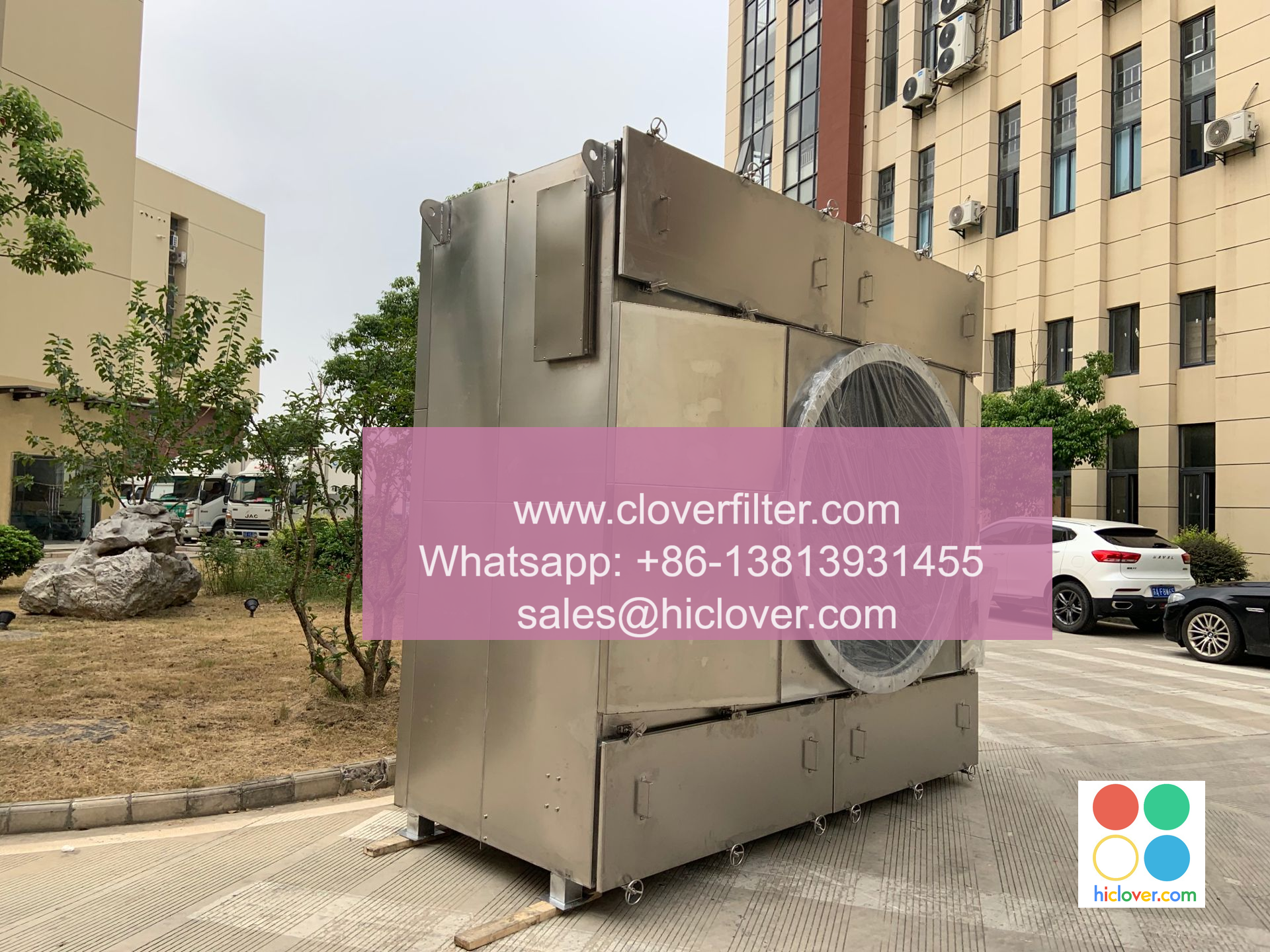
Key Takeaways:
- Understanding the role of air filter systems is vital for facility efficiency.
- Automatic Roll Air Filters offer energy-saving benefits with reduced maintenance needs.
- Proper selection based on airflow, face velocity, and installation location is crucial.
- Avoiding common installation mistakes can prevent costly operational downtime.
- Compliance with industry standards ensures effective air quality management.
- Roll Media Advance Logic: As the filter collects dust, the system’s sensors detect pressure changes and automatically roll a fresh section of filter media into place.
- Differential Pressure Trigger: This mechanism ensures that the system operates at optimal efficiency, preventing blockages and maintaining desired air quality levels.
- Timer Mode: Users can program the system to advance media based on time intervals, further optimizing filter lifespan and performance.
- Airflow Range: Evaluate the volume of air your system must handle (e.g., from 500 to over 10,000 CFM).
- Face Velocity: Determine the right face velocity for effective particulate capture—typically between 2-5 feet per minute.
- Media Width/Length: Select dimensions that fit your existing HVAC configuration and allow for smooth operation.
- Frame Size: Ensure the frame fits securely in your system to prevent air bypass.
- Control Options: Choose between manual or automated controls based on your facility’s complexity.
- Power Supply: Confirm that the filter system can integrate with your existing electrical supply (commonly 120V or 240V).
- Installation Location: Identify the best location for the filter (fresh air intake, return air, or process air) for optimal performance.
- Incorrect Filter Size: Always double-check dimensions before installation.
- Overlooking Airflow Requirements: Understand and verify airflow needs specific to your application.
- Neglecting Maintenance Protocols: Establish a clear maintenance schedule to avoid operational disruptions.
- Inadequate Training: Ensure staff are trained on system operation and maintenance procedures.
- Ignoring Differential Pressure Monitoring: Utilize sensors to keep track of pressure levels and media usage.
- Improper Location Selection: Ensure filters are placed to maximize efficiency (e.g., avoid areas prone to debris).
- Disregarding Standards: Follow general industry frameworks like ISO 16890 and MERV concepts for best practices.
-
Alternate Histories: Write about a world where a significant historical event had a different outcome. How did this change the course of history?
-
A Day in the Life: Choose an unusual profession (like a professional ethical hacker or a wildlife rehabilitator) and narrate a day in the life of someone in that field.
-
The Unseen World: Describe a character who can see and communicate with spirits that are invisible to others. How does this ability affect their relationships and daily life?
-
The Lost Letter: A character discovers an old letter in a library book that leads them on an unexpected journey. What secrets does the letter unlock?
-
Futuristic Society: Imagine a world 100 years from now. How have technology and social norms evolved? What challenges do people face in this new society?

Understanding Air Filter Systems
Air filter systems are essential components of HVAC systems, designed to maintain indoor air quality by capturing airborne particles and contaminants. Selecting the right air filter system is crucial, especially in environments such as factories, cleanrooms, and hospitals where air quality directly impacts operational effectiveness and health outcomes.

In this article, we’ll focus on Automatic Roll Air Filters, a highly efficient solution for various applications, including make-up air systems, AHU prefilters, and differential pressure triggers.
What is an Automatic Roll Air Filter?
An Automatic Roll Air Filter features a unique roll media advancement mechanism designed for continual performance. As the media clogs with particulates, a built-in differential pressure trigger activates the system to advance new filter media into the airflow path. This results in reduced maintenance requirements and energy savings, making it an ideal choice for facilities with high air intake demands.
How Automatic Roll Media Works
Practical Selection Guide for Air Filter Systems
Choosing the right air filter system involves a few key considerations. Here we provide a practical selection guide that includes:
Comparison of Air Filter Systems
Below is a comparison table of the Automatic Roll Air Filter against other common filter types:
| Filter Type | Best Use Case | Maintenance | Pressure Drop Behavior | Operating Cost | Typical Risk/Downside |
|---|---|---|---|---|---|
| Automatic Roll Filter | Large volume, energy-efficient | Low | Low as media advances | Moderate | Initial setup complexity |
| Bag Filter | Industrial applications requiring frequent changes | Moderate to high | Moderate | Higher potentially | Space-consuming with heavier loading |
| Panel Filter | Small systems, isolated applications | Moderate | High to moderate | Low | Frequent replacements needed |
| V-bank Filter | Wider applications needing flexibility | High | Moderate | Moderate to high | Risk of airflow bypass |
Common Mistakes & How to Avoid Them
When installing air filter systems, be mindful of the following common mistakes and how to mitigate them:
Real-World Scenarios
Data Center
In a data center, maintaining an optimal air quality and temperature is crucial. An Automatic Roll Air Filter was implemented to control particulate levels effectively, reducing downtime related to HVAC failures.
Battery Factory
In a lithium battery production facility, the need for a constant influx of clean air led to the deployment of an Automatic Roll Air Filter. This ensured compliance with industry standards while minimizing particulate contamination.
Paint Shop
In a paint booth, the Automatic Roll Air Filter efficiently captured overspray, enhancing air quality while maintaining low operating costs. Its reduced maintenance cycle allowed for uninterrupted production schedules.
Textile/Steel/Cement Plant
For steel and cement plants, a robust air filtration system helps manage dust and particulate matter. The Automatic Roll Air Filter operates effectively in these environments, ensuring compliance with air quality standards while optimizing operational efficiency.
Frequently Asked Questions (FAQ)
Q1: What is the main advantage of using an Automatic Roll Air Filter?
A1: The main advantage is the reduced maintenance requirement and energy efficiency resulting from its automatic media advancement feature.
Q2: How often should the filters be changed?
A2: Frequency of changes depends on the application and the amount of airborne particles; using a differential pressure monitoring system can help.
Q3: What is the typical lifespan of an Automatic Roll Air Filter?
A3: The lifespan varies with usage, but they can last several months to a year with proper maintenance and monitoring.
Q4: Can these filters be integrated into existing HVAC systems?
A4: Yes, they are designed to be compatible with a range of HVAC configurations.
Q5: What MERV rating should I seek for optimal performance?
A5: Depending on the operational needs, a MERV rating of 8-15 is typically recommended for effective particulate control.
Q6: Are Automatic Roll Air Filters suitable for hospitals?
A6: Yes, they are ideal for hospitals where air quality is critical, maintaining compliance with general standards such as ISO 16890.
Meta Description: Discover best practices for installing air filter systems, highlighting Automatic Roll Air Filters for efficiency and maintenance reduction.
For more information about efficient air filtration solutions, consider reaching out to CloverFilter. Connect with us today at CloverFilter.
It seems like you might be looking for a writing prompt or a specific topic to explore. Here are a few options you might find interesting:
Feel free to choose one of these prompts or let me know if you have a specific topic in mind that you would like to explore!
