Understanding the Mechanisms of Automatic Roll Filters in Fuel Storage
In the ever-evolving landscape of fuel management and storage, automatic roll filters have emerged as a vital component in maintaining fuel quality and optimizing operational efficiency. This article aims to shed light on the mechanisms of these filters, highlighting their various application areas and benefits in fuel storage systems.
What are Automatic Roll Filters?
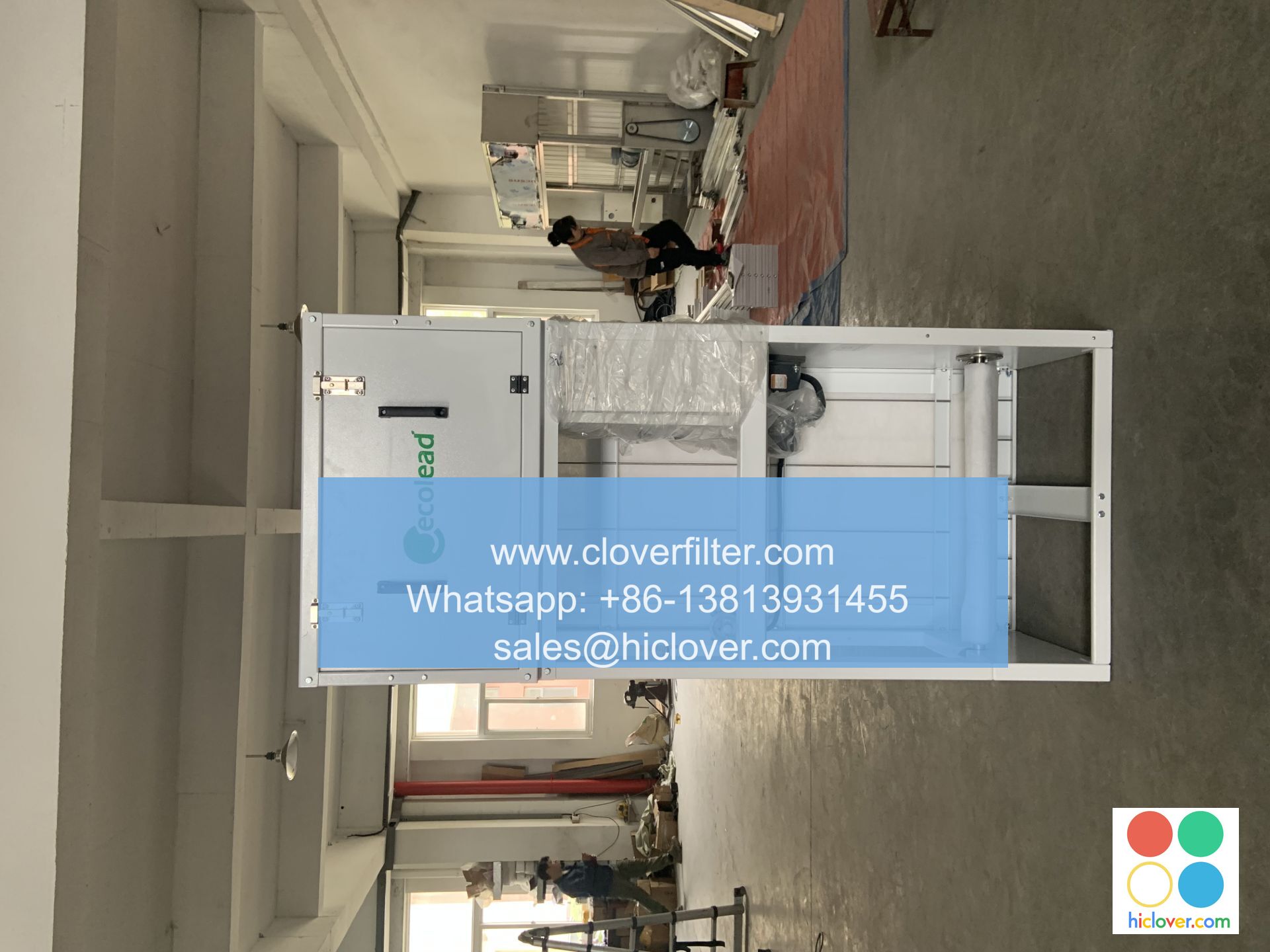
Automatic roll filters are specialized filtration systems designed to remove impurities from fuel, ensuring that only clean fuel is stored and used. These systems utilize a rolling mechanism that automatically collects contaminants while allowing the fuel to pass through. The design not only enhances filtration efficiency but also reduces the need for manual intervention, thereby minimizing operational downtime.
How Do Automatic Roll Filters Work?
The mechanism of automatic roll filters can be broken down into several key components:
1. Filtration Media
At the core of the roll filter is the filtration media, often made from materials like polyester or synthetic fibers. This media is designed to trap particulates, water, and other impurities.

2. Rolling Mechanism
The automatic aspect of these filters comes from the rolling mechanism. As the filtration media collects contaminants, it gradually rolls to expose a clean section, ensuring consistent filtration without frequent manual changes.
3. Collection System
Once the contaminants are filtered out, they are directed to a collection tray or container. This minimizes cross-contamination and allows for easier disposal of harmful materials.
4. Monitoring Systems
Modern automatic roll filters are equipped with sensors that monitor flow rates, pressure, and contamination levels. This data allows operators to make informed decisions and perform maintenance as needed, enhancing the overall reliability of the fuel storage system.
Benefits of Automatic Roll Filters in Fuel Storage
-
Enhanced Efficiency: Automatic roll filters streamline the filtration process, reducing the need for periodic manual cleaning and replacement.
-
Improved Fuel Quality: By effectively trapping contaminants, these filters help maintain the integrity of the fuel, which is critical for engine performance and longevity.
-
Reduced Downtime: With fewer manual interventions required, operations can continue smoothly, leading to increased productivity.
-
Cost Savings: The long-term operational efficiency and reduced maintenance costs associated with automatic roll filters make them a cost-effective choice for fuel storage.
Application Areas of Automatic Roll Filters
Automatic roll filters have a wide range of applications across various industries that require fuel management. Some notable areas include:
Aviation Fuel Storage
In aviation, maintaining high-quality fuel is paramount. Automatic roll filters help ensure that aviation fuel is free from particulates and contaminants, which can affect engine performance and safety.
Marine Fuel Storage
For marine operations, the cleanliness of stored fuel is critical. Automatic roll filters provide a reliable method for removing contaminants from bunker fuel, improving engine efficiency and compliance with environmental regulations.
Diesel and Gasoline Storage
In the automotive industry, contaminants in diesel and gasoline can cause engine knocking and damage. These filters ensure that only clean fuel is delivered to vehicles, enhancing performance and reducing maintenance costs.
Renewable Energy Sources
As the shift towards renewable energy continues, automatic roll filters are increasingly being applied in the storage of biofuels and other renewable sources, ensuring that these fuels meet necessary quality standards.
Conclusion
Automatic roll filters play a fundamental role in ensuring the efficacy and safety of fuel storage systems. Their unique mechanisms not only enhance fuel quality but also provide significant operational advantages in various industries. By adopting automatic roll filters, companies can ensure that their fuel management processes are both efficient and effective, ultimately leading to enhanced performance and reliability.
It seems like you haven’t provided the specific prompt you’re referring to. Could you please share more details or clarify what you need assistance with?
