Innovative Roll Dust Filtration Technologies for Aircraft Component Zones in Tunisia

The aviation industry in Tunisia is rapidly evolving, leading to a heightened demand for efficient maintenance and protection of aircraft components. One major concern that arises in this field is the accumulation of dust and particulate matter in critical aircraft zones. To address this challenge, innovative roll dust filtration technologies have emerged, paving the way for improved operational efficiency and safety.
Understanding Dust Filtration Technologies
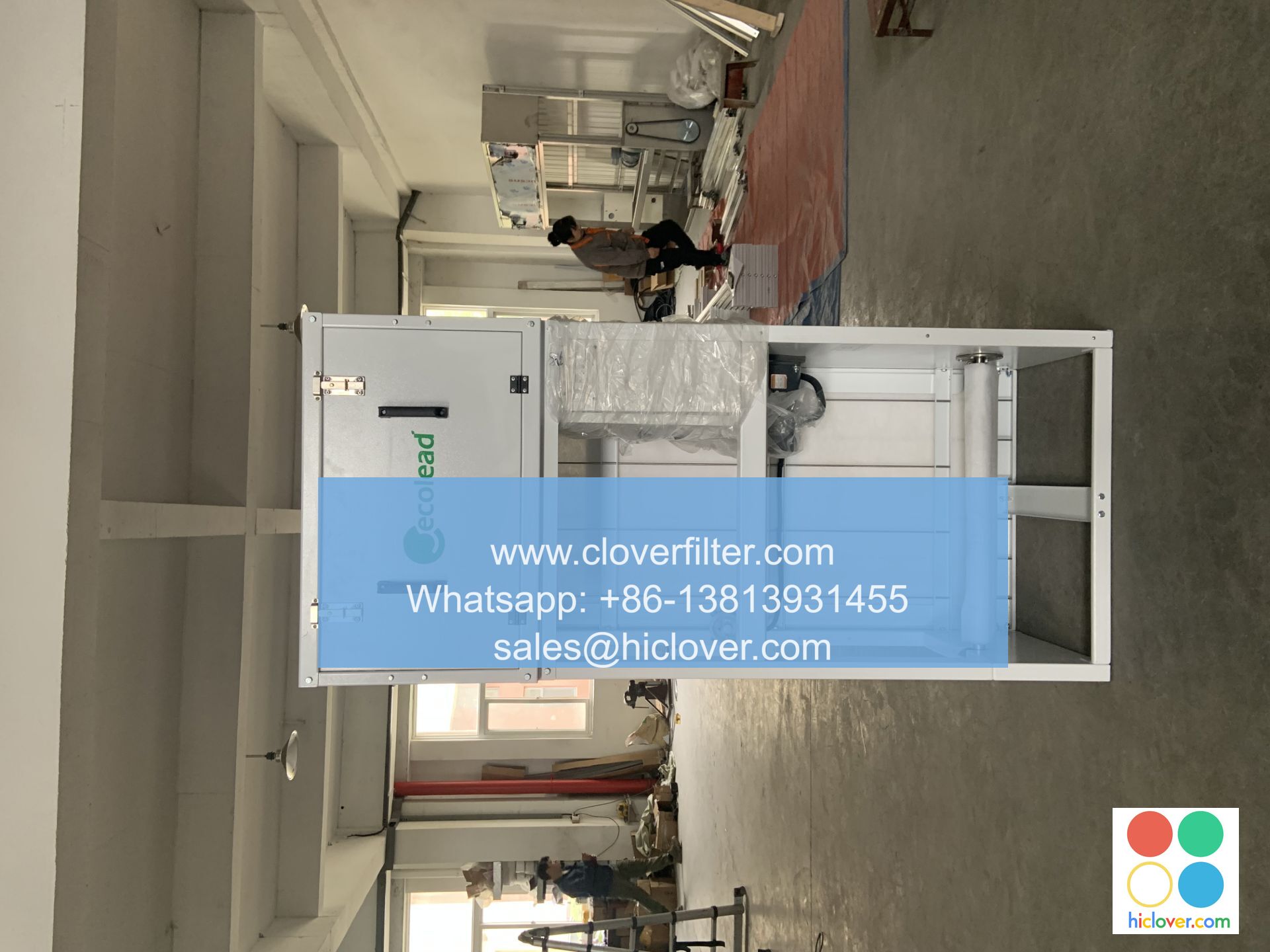
Dust filtration technologies are engineered to capture airborne contaminants before they can infiltrate sensitive areas in aircraft. Roll dust filtration systems leverage advanced mechanics and innovative materials to ensure that the quality of air within aircraft component zones is kept at optimal levels.
Key Features of Roll Dust Filtration Technologies
- High Efficiency: Utilizing electrostatic filtering and advanced media compositions ensures that even the smallest particles are captured effectively.
- Low Maintenance: These systems are designed for long operational periods with minimal need for maintenance or replacement, significantly lowering operational costs.
- Environmentally Friendly: Many modern roll dust filtration technologies use environmentally safe materials that don’t produce harmful by-products during filtration.
Application Areas of Roll Dust Filtration in Tunisia
Tunisian aviation maintenance facilities and component manufacturing hubs can greatly benefit from the implementation of roll dust filtration technologies. Below are several key application areas:
1. Aircraft Maintenance Hangars
Maintenance hangars are often exposed to dust and airborne particulates from the outside environment. Deploying roll dust filtration systems can help ensure that sensitive components are not exposed to these contaminants, thereby prolonging their lifespan and enhancing performance.
2. Manufacturing Facilities
Tunisia’s burgeoning aircraft manufacturing sector can leverage roll dust filtration during the assembly process to maintain clean environments, preventing contamination that could lead to defects and the need for reworks.
3. Repair and Overhaul Shops
For repair facilities, ensuring a clean work environment is crucial for quality. Roll dust filtration systems ensure that particles do not interfere with intricate repair tasks, thus enhancing the quality of service delivered.
4. Testing Zones
Aircraft components are often subjected to rigorous testing before they are deemed operational. Implementing advanced filtration technologies during the testing phase decreases the chances of false results due to dust contamination, ensuring that components meet stringent safety standards.
Regulatory Compliance and Benefits
Compliance with aviation safety and environmental regulations is critical in Tunisia’s aviation sector. The adoption of innovative roll dust filtration technologies not only helps in meeting these regulatory standards but also offers extended operational benefits:
- Enhanced Safety: By reducing dust accumulation, the risk of component failure due to foreign particles is minimized.
- Cost Efficiency: Improved durability of parts leads to reduced replacement costs and decreases downtime.
- Industry Reputation: Facilities that prioritize cleanliness and efficiency are likely to establish better reputations, attracting more clients and contracts.
Future Outlook
The future of the aviation industry in Tunisia looks promising, with innovative technologies like roll dust filtration paving the way for safer and more efficient operations. Investing in such advanced systems not only enhances the operational efficiency of aircraft component zones but also aligns Tunisia with global aviation standards.
As the country continues to evolve in its aerospace capabilities, embracing cutting-edge filtration technologies will be crucial for maintaining a competitive edge in the regional and international markets.
It looks like you may want to provide a prompt for a specific task or topic. Please share more details, and I’ll be happy to help!
