How to Properly Install Your Air Filter for Maximum Efficiency
Key Takeaways:
- Proper installation enhances the efficiency of air filter systems.
- Automatic Roll Air Filters are advanced solutions for various settings.
- Understanding airflow and pressure drop is critical for selection.
- Regular maintenance reduces costs and maximizes lifespan.
- Compliance with industry standards ensures reliability.
- Avoid common mistakes to prevent operational issues.
- Real-world scenarios illustrate effective use cases.
- Efficiency: The roll media design automatically renews the surface area, providing a consistent air-cleaning capability.
- Maintenance Reduction: Automatic replacement minimizes downtime and labor costs associated with manual filter changes.
- Energy Savings: Maintaining optimal airflow allows HVAC systems to operate efficiently, reducing energy consumption and costs.
- Airflow Range: Ensure the filter is suitable for the system’s airflow requirements.
- Face Velocity: Determine the optimal face velocity to maximize filtration efficiency while minimizing pressure drop.
- Media Width/Length: Choose dimensions compatible with your HVAC system’s design.
- Frame Size: Frame compatibility is crucial for proper installation and effectiveness.
- Control Options: Investigate automation and monitoring capabilities for optimal performance.
- Power Supply: Consider the energy requirements for automatic functions.
- Installation Location: Select between fresh air intake, return, or process air installation.
- Ignoring Differential Pressure Readings: Regularly monitor pressure to know when to replace.
- Using Incorrect Sizes: Always verify dimensions before installation to ensure proper fit.
- Poor Location Selection: Installing in unsuitable areas can hinder performance; assess the environment beforehand.
- Neglecting Airflow Requirements: Ensure the filter matches the airflow needs of your system.
- Insufficient Maintenance Procedures: Regular checks and updates prevent unexpected issues.
- Overlooking Compliance Standards: Familiarize yourself with relevant compliance and certification guidelines.
- Not Considering HVAC System Compatibility: Ensure the air filter fits well within existing systems.
- Choosing Filters Based on Price Alone: Evaluate quality and efficiency alongside cost for best results.
Understanding the Automatic Roll Air Filter

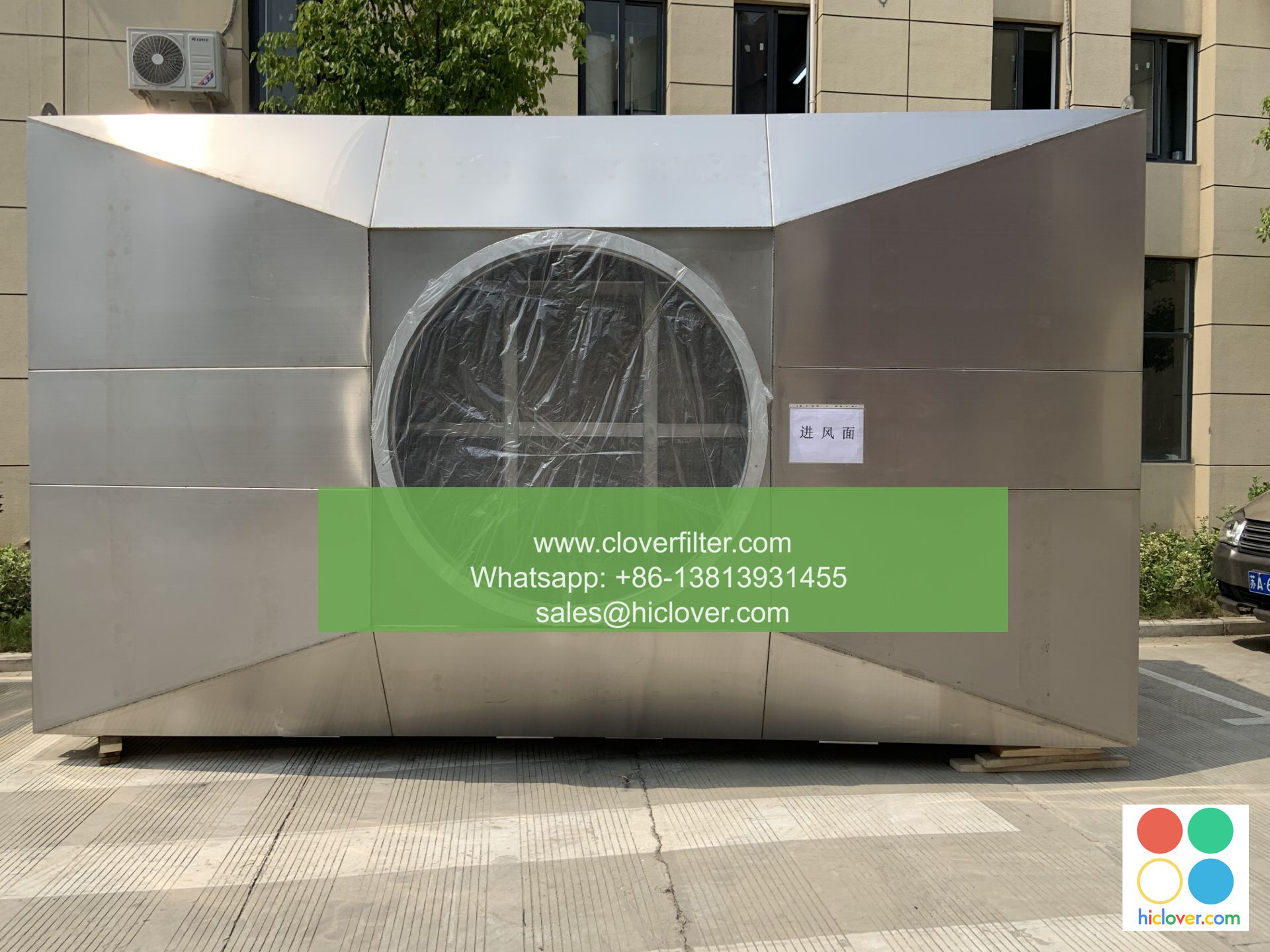
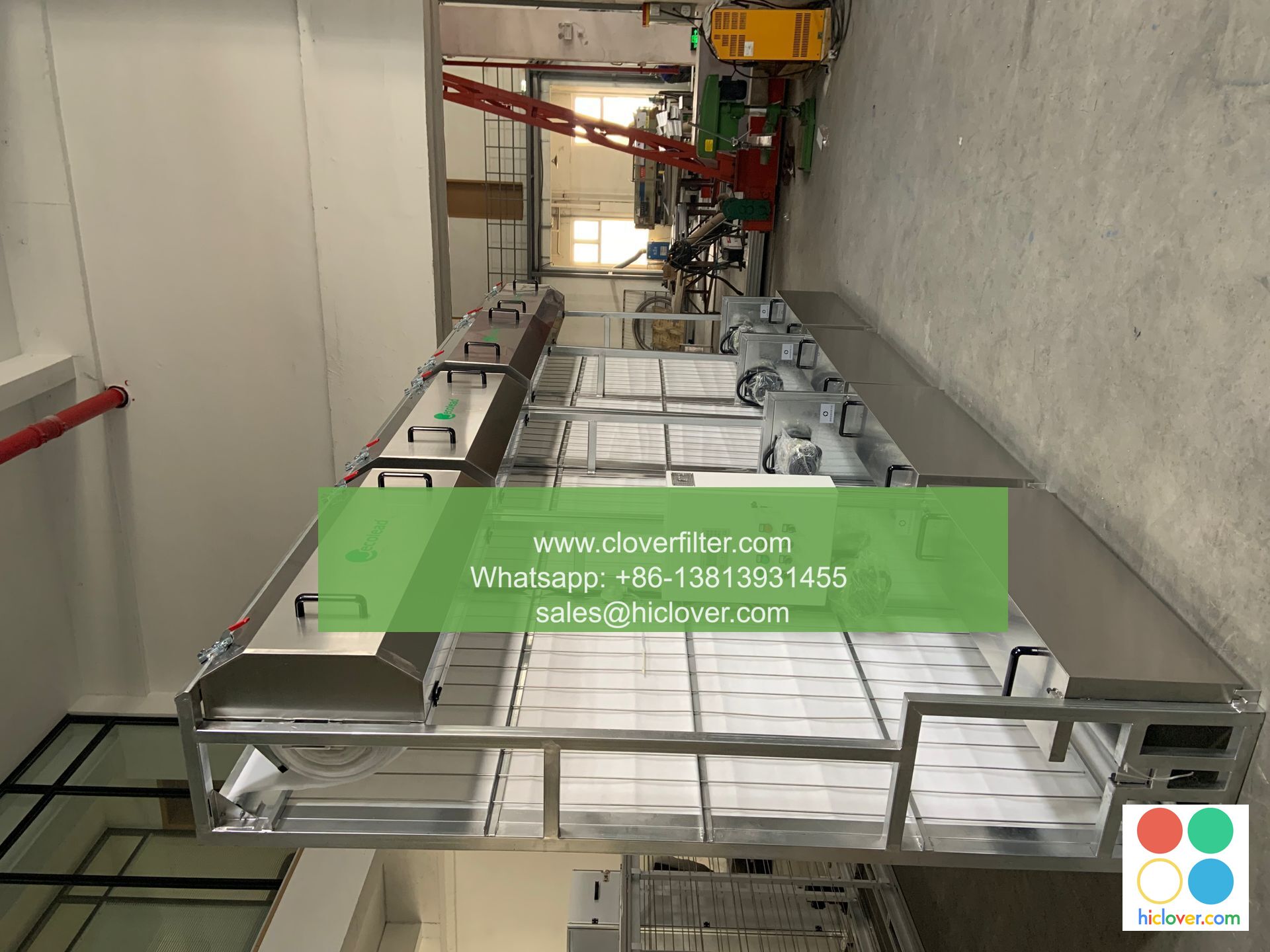
An Automatic Roll Air Filter is an innovative air filtration solution designed for HVAC systems. This type of filter consists of a roll media that advances and self-replaces, ensuring optimal filtration efficiency and reducing maintenance requirements. At the core of its operation is a differential pressure trigger that activates a timer mode, allowing for automatic replacement based on real-time air quality measurements. As a part of air handling units (AHU), these filters are key in maintaining clean air for environments such as cleanrooms, industrial plants, and hospitals.
Benefits of Using Automatic Roll Air Filters
For more information about the advantages of the Automatic Roll Air Filter, visit CloverFilter.
Practical Selection Guide for Air Filters
When selecting an air filter, consider the following criteria:
Air Filter Product Sitemap
Utilizing the air filter product sitemap available on the CloverFilter website helps in narrowing down suitable options based on the specific requirements of your facility.
Comparison Table: Filter Types
| Filter Type | Best Use Case | Maintenance | Pressure Drop Behavior | Operating Cost | Typical Risk/Downside |
|---|---|---|---|---|---|
| Automatic Roll Air Filter | Cleanrooms, data centers, industrial plants | Low | Stable | Medium | Initial cost |
| Bag Filter | Heavy dust environments like cement plants | Moderate | Variable | Low | Clogging risk |
| Panel Filter | General office HVAC | High | Moderate | Low | Frequent replacement |
| V-Bank | High air quality standards | Moderate to high | High | High | Space considerations |
Common Mistakes & How to Avoid Them
Real-World Scenarios
1. Data Center
In data centers, dust and particulate control are critical for both operational efficiency and equipment longevity. The Automatic Roll Air Filter installed in the fresh air intake maintains a consistent airflow, minimizing downtime and maintenance costs.
2. Battery Factory
Battery manufacturing requires stringent cleanliness standards. The use of Automatic Roll Filters helps in particulate control while facilitating energy savings, as the system automatically adjusts based on real-time data.
3. Paint Shop
In a paint booth environment, controlling volatile organic compounds (VOCs) is essential. Automatic Roll Air Filters effectively manage air quality, ensuring a safe working environment, while reducing the need for frequent manual replacements.
4. Textile/Steel/Cement Industry
In facilities dealing with heavy particulate matter, such as textile or steel plants, Automatic Roll Filters offer a superior solution. They provide consistent filtration during peak operations, thus maintaining production efficiency and reducing operational costs.
FAQ Section
Q1: What is an Automatic Roll Air Filter?
An Automatic Roll Air Filter is a self-replacing air filtration solution that uses roll media to maintain airflow and filtration efficiency continuously.
Q2: What applications are best suited for this type of filter?
These filters are ideal for data centers, cleanrooms, industrial facilities, and environments requiring high air quality standards.
Q3: How does the differential pressure trigger work?
The differential pressure trigger activates the filter change process when the pressure drop exceeds a set limit, ensuring optimal airflow.
Q4: Can I install the filter myself?
While DIY installation is possible, consulting a professional can ensure optimal performance and compliance with local regulations.
Q5: How do I maintain an Automatic Roll Air Filter?
Regularly check the pressure readings and clean the surrounding areas to maintain airflow and avoid obstruction.
Q6: Are these filters compliant with any industry standards?
They can meet various compliance standards like ISO 16890 and MERV concepts; for specific certifications, inquire directly.
Q7: What measures can I take to ensure optimal installation?
Follow best practices in selection, ensure accurate sizing, and consult the manufacturer’s product sitemap for guidance.
Q8: What are the warning signs of filter inefficiency?
Look for increased energy consumption, odd odors, or reduced airflow through the system.
For further inquiries or specific needs, please reach out through CloverFilter’s contact form.
Meta Description: Learn how to install your Automatic Roll Air Filter for maximum efficiency in industrial settings. Key tips, benefits, and common mistakes to avoid included!
It seems like your message got cut off. Could you please provide more details about the prompt or topic you’d like assistance with?
