When to Replace Your Air Filter to Prevent High Pressure Drop
Key Takeaways:
- Air filter pressure drop can lead to system inefficiencies.
- Replacing filters timely is essential for optimal airflow and energy savings.
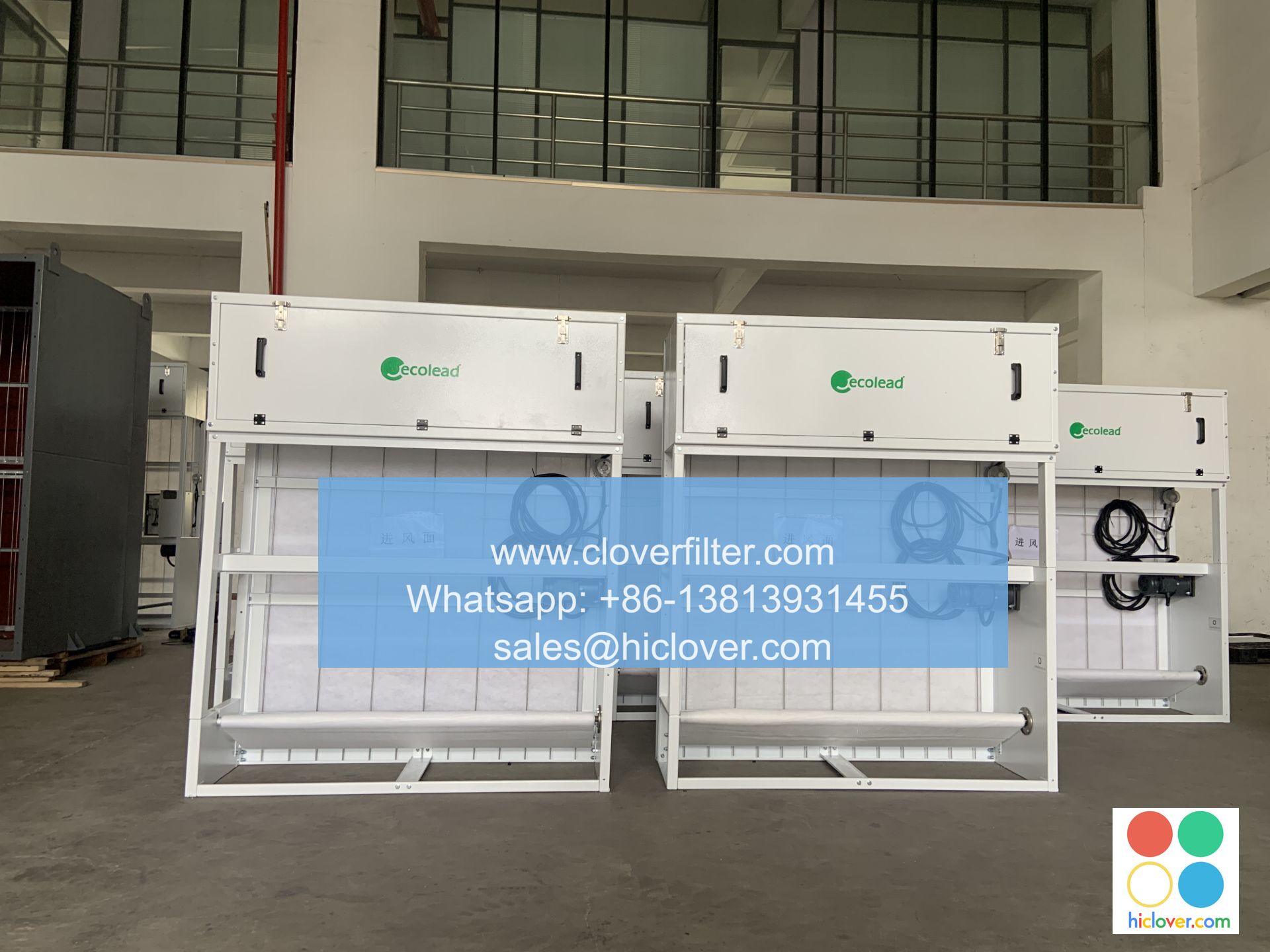
- Automatic Roll Air Filters use advanced media technology to minimize pressure drop.
- Proper selection involves evaluating airflow range and installation locations.
- Understanding compliance factors can guide your filter choices.
- Regular maintenance reduces costs and ensures reliability.
- Identifying common mistakes helps in making informed decisions.
- Airflow Range: Ensure compatibility with your HVAC system’s airflow needs.
- Face Velocity: Assess the speed of air entering the filter; matching this with your system is crucial.
- Media Width/Length: Choose dimensions that fit your design specifications.
- Frame Size: This should be compatible with existing filter racks.
- Control Options: Consider automation features for ease of use.
- Power Supply: Check the energy requirements for operation, selecting options that minimize energy consumption.
- Installation Location: Determine whether the filter will be placed at fresh air intakes, return air ducts, or directly in the process line.
- Overlooking Pressure Drop: Regularly check your air filter pressure drop readings.
- Delayed Replacements: Set reminders for filter changes to avoid neglect.
- Improper Filter Selection: Ensure filters are suited for your specific application.
- Ignoring Manufacturer Guidelines: Always refer to the manufacturer’s specifications.
- Infrequent System Maintenance: Schedule regular maintenance checks for your HVAC system.
- Compromising on Quality: Invest in high-quality filters to reduce long-term costs.
- Using Outdated Standards: Stay informed on evolving filtration standards.
- Not Considering Environmental Conditions: Adjust filter types according to specific contaminants present.
- Failing to Analyze Costs: Regularly assess the total cost of ownership of filter systems.
- Underestimating Automation: Explore automated solutions for better efficiency and ease of maintenance.
-
Data Center: A major cloud service provider implemented Automatic Roll Air Filters to maintain optimal temperature and humidity control, reducing downtime by 30% while cutting energy costs by 22%.
-
Battery Factory: In a rapidly growing lithium battery production facility, switching to advanced filtration helped minimize dust-related failures, significantly improving safety and reliability.
-
Paint Shop: A large automotive paint shop faced issues with volatile organic compounds (VOCs) and switched to high-performance roll filters, resulting in improved air quality and compliance with emission standards.
-
Textile/Steel/Cement Plant: The introduction of energy-efficient filters reduced maintenance costs and improved worker comfort, leading to a 15% increase in productivity.
Understanding Air Filter Pressure Drop

Air filter pressure drop is a critical factor in the efficiency of HVAC systems. As air moves through filters, particles accumulate, causing resistance to airflow. This resistance is quantified as pressure drop and can lead to increased energy costs, decreased efficiency, and potential system failures if not managed correctly. Recognizing when to replace your air filter is vital to maintaining optimal operational performance.
What is an Automatic Roll Air Filter?
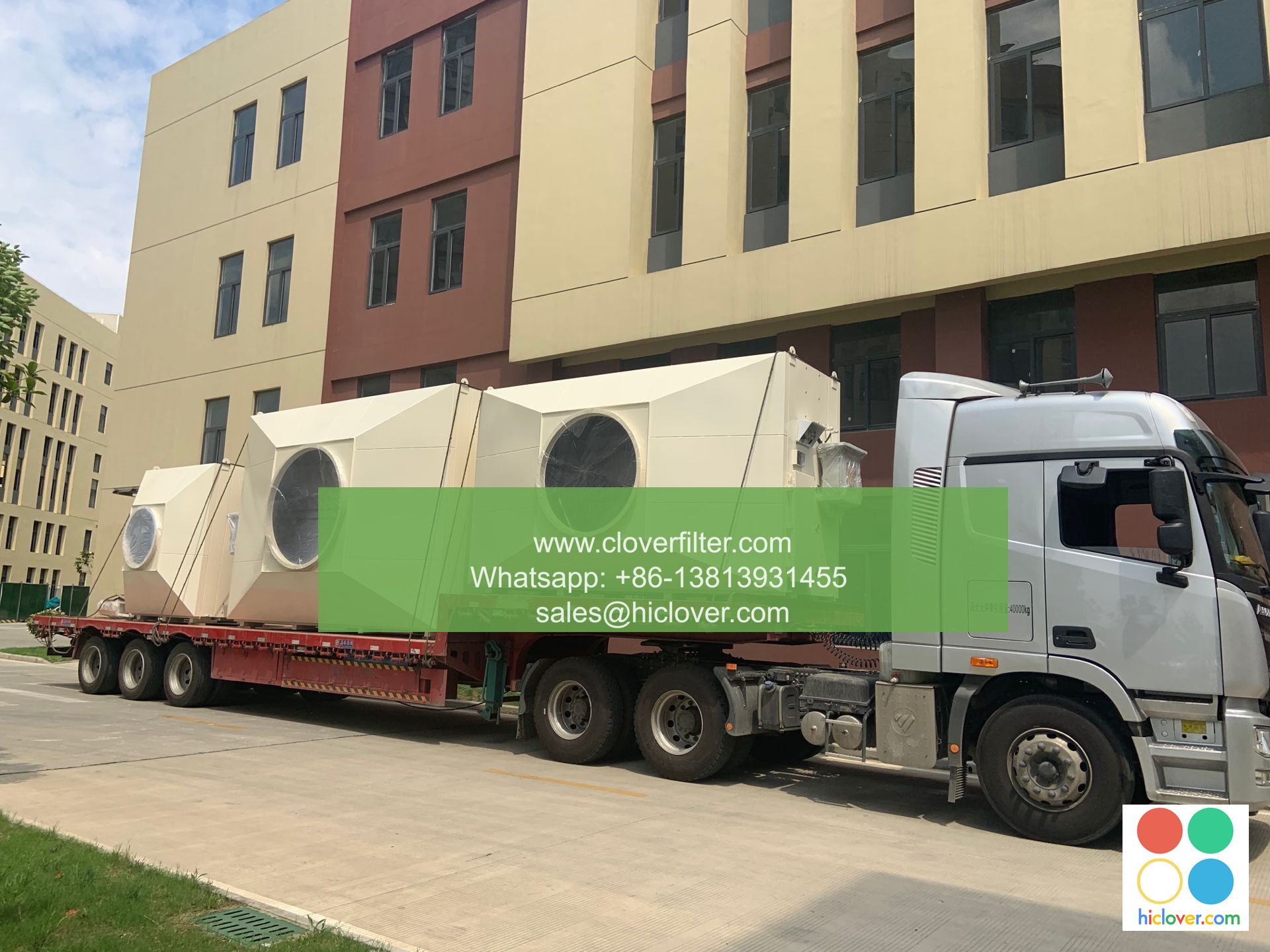
An Automatic Roll Air Filter is a modern solution designed to streamline air filtration. Unlike traditional filters, this type utilizes a roll media advance logic, which automatically feeds fresh filter media into place as it gets saturated. This continuous operation prevents high air filter pressure drop by ensuring that the filter is continually renewed without manual intervention. The system is equipped with a differential pressure trigger, which activates the roll mechanism when a certain pressure threshold is reached, thereby maintaining consistent performance.
These filters are suitable for a variety of applications, including HVAC (heating, ventilation, air conditioning) systems in factories, cleanrooms, and hospitals, ensuring a reliable supply of clean air.
Practical Selection Guide for Automatic Roll Air Filters
When selecting an Automatic Roll Air Filter, consider the following factors:
Air Filter Pressure Drop: Understanding its Impact
To maintain efficiency, facilities must regularly monitor air filter pressure drop. Not only does accumulated dirt increase this pressure, but it can also lead to equipment strain, reduced airflow, and longer operational hours, resulting in wear and higher costs. Filtering air effectively means ensuring that the pressure drops are within acceptable limits, which can be achieved by using the right filters and replacing them on schedule.
Comparison of Air Filter Options
| Filter Type | Best Use Case | Maintenance | Pressure Drop Behavior | Operating Cost | Typical Risk/Downside |
|---|---|---|---|---|---|
| Automatic Roll Filter | High efficiency needs | Low (automated) | Consistent low drop | Moderate | Initial setup complexity |
| Bag Filter | Heavy particulate load | Moderate | Moderate increase | Moderate to high | Space requirements |
| Panel Filter | Light-duty applications | Low | Low to moderate drop | Low | Limited lifespan |
| V-bank Filter | High airflow systems | Moderate | Lower than bag filters | Moderate | More complicated design |
Common Mistakes & How to Avoid Them
Real-World Scenarios
FAQ Section
What is an acceptable air filter pressure drop?
An acceptable air filter pressure drop generally ranges from 0.2 to 0.5 inches of water gauge depending on the filter type and application.
How often should I replace my air filter?
Typically, you should replace air filters every 3-6 months, but it may vary based on usage and environmental conditions.
Can a dirty filter damage my HVAC system?
Yes, a dirty filter can restrict airflow, causing strain on the system, which can lead to breakdowns and costly repairs.
What is the difference between MERV and ISO ratings?
MERV (Minimum Efficiency Reporting Value) focuses on particle size efficiency, while ISO standards address overall filtration performance, particularly for air and air conditioning systems.
How can I tell when it’s time to replace the filter?
Monitor pressure drop readings; a significant increase signals a need for replacement. Visual inspections can also help.
Are Automatic Roll Air Filters worth the investment?
Yes, they can offer substantial long-term savings in maintenance and energy costs, especially in high-demand environments.
Conclusion
To maintain the efficiency of your HVAC systems and prevent high air filter pressure drop, acknowledging the appropriate time for replacement is paramount. Utilizing solutions like CloverFilter’s Automatic Roll Air Filter not only enhances filter life but also optimizes operational costs. Proper filter selection and timely replacements can significantly affect your facility’s performance.
For more information about automatic roll air filters and how CloverFilter can assist, please visit CloverFilter or reach out through our contact page.
Meta Description: Discover how to replace your air filter to prevent high pressure drop. Learn about Automatic Roll Air Filters and optimize your HVAC efficiency today.
It seems like you entered “Prompt” without providing additional context. Could you please clarify what type of prompt you are looking for? Are you seeking writing prompts, discussion topics, creative ideas, or something else? Let me know how I can help!
