Maintenance Best Practices for Roll Dust Filters
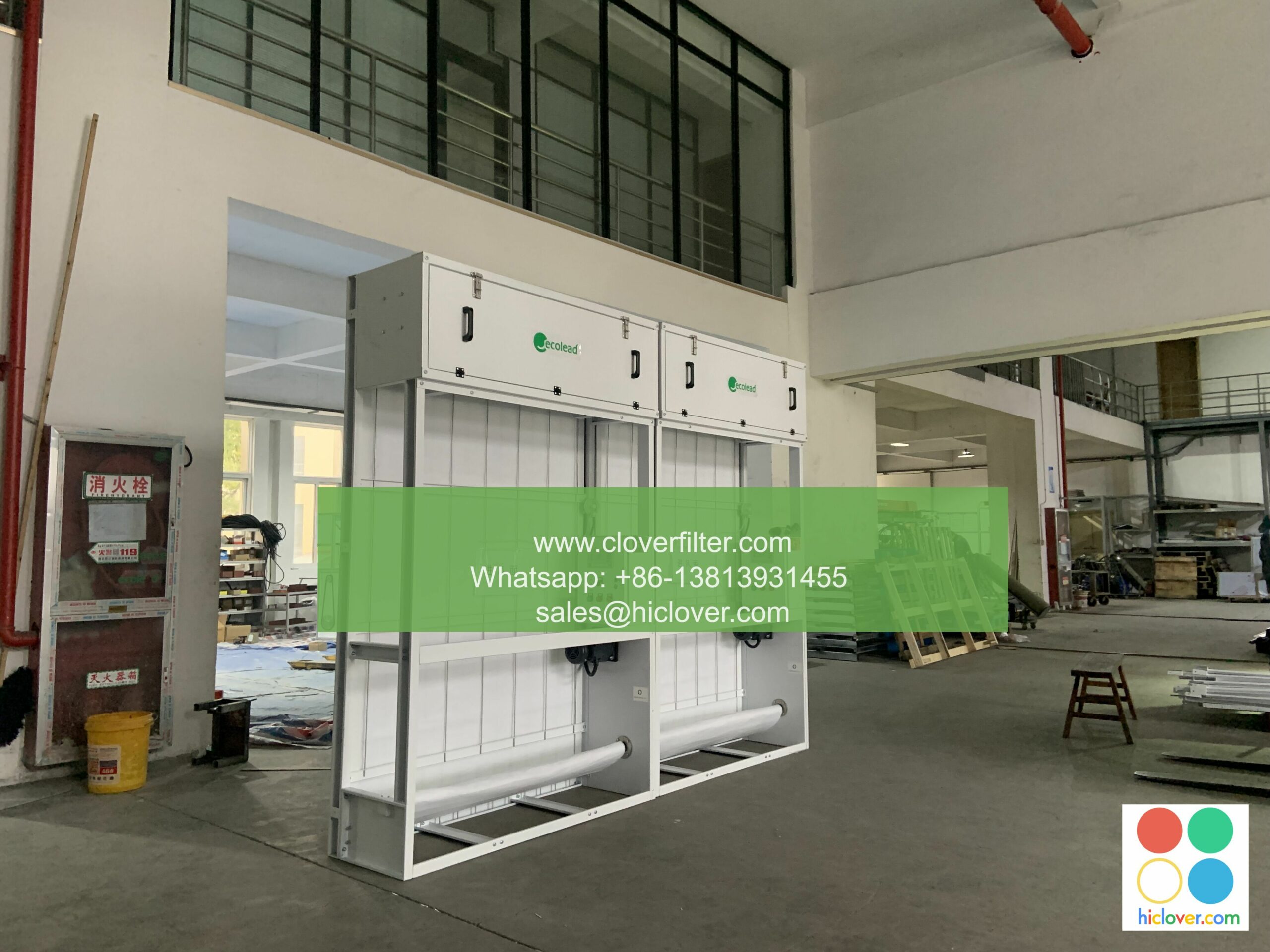
Roll dust filters are essential components in various industrial applications, helping to maintain clean air quality and prevent dust accumulation. Proper maintenance of these filters not only enhances their efficiency but also prolongs their lifespan. Below, we outline some best practices for maintaining roll dust filters, highlighting their application areas such as woodworking, metalworking, pharmaceuticals, and food processing.
Understanding Roll Dust Filters

What are Roll Dust Filters?
Roll dust filters are continuous rolls of filtration media used to capture airborne particles and dust in various industries. These filters are commonly utilized in dust collection systems to improve air quality and safeguard equipment from dust-related damage.
Common Applications of Roll Dust Filters
- Woodworking: In woodworking shops, dust generation is significant. Roll dust filters help minimize fine particles, ensuring a safer working environment.
- Metalworking: Manufacturing processes often produce metal shavings and debris. Roll dust filters capture these particles, protecting both machinery and workers.
- Pharmaceuticals: Maintaining high air quality is critical in pharmaceutical manufacturing. Roll dust filters contribute to cleaner environments, adhering to strict regulatory standards.
- Food Processing: In food processing plants, roll dust filters assist in maintaining hygiene and preventing contamination, ensuring product safety.
- Physical damage or degradation of the filter media.
- Dust accumulation on the inlet and outlet sides.
- Proper alignment and sealing of the filters.
- Vacuuming: Use a vacuum cleaner with an appropriate attachment to gently remove accumulated dust.
- Washing: If permitted by the manufacturer, washing filters with a non-corrosive solution can restore their efficiency.
- Replacement: Replace filters based on manufacturers’ guidelines or when performance dips below acceptable levels.
- Ductwork: Regularly check for leaks, which can reduce system efficiency.
- Fans and Blowers: Inspect for proper operation and clean where necessary to prevent dust buildup.
- Hoppers and Collection Bins: Clear any residual dust to ensure optimal operation.
- Complete system evaluation.
- Replacement of worn parts.
- Calibration of airflow and pressure settings.

Maintenance Best Practices
1. Regular Inspection
Perform routine inspections of roll dust filters to identify signs of wear, tears, or clogging. Check for the following:
2. Cleaning and Replacing Filters
While roll dust filters are designed for multiple uses, regular cleaning is crucial. Consider the following methods:
3. Monitor Airflow and Pressure
Consistently monitor airflow and pressure across the dust filtration system. A drop in airflow can indicate filter clogging, while increased pressure might signal a need for immediate attention. Use manometers or pressure gauges to keep track of these values regularly.
4. Maintain the Dust Collection System
Ensure that the entire dust collection system is well-maintained. Key areas to focus on include:
5. Schedule Professional Maintenance
Enlist the help of professionals for comprehensive maintenance checks. Specify a maintenance schedule that includes:
6. Training and Awareness
Train staff on the importance of maintaining roll dust filters. Raise awareness about potential hazards associated with clogged filters and encourage adherence to maintenance schedules. This can lead to a safer and more efficient workplace.
7. Documentation and Record-Keeping
Keep detailed records of maintenance activities, inspections, and filter replacements. This documentation can prove invaluable for compliance with safety standards and for analyzing system performance trends over time.
Conclusion
Effective maintenance of roll dust filters is essential for ensuring optimal performance in various industrial applications like woodworking, metalworking, pharmaceuticals, and food processing. By following best practices such as regular inspections, cleaning, monitoring airflow, and enlisting professional services, businesses can maximize filter lifespan, enhance air quality, and ensure compliance with safety regulations. Remember, a well-maintained dust filtration system not only benefits health and safety but also contributes to operational efficiency and cost savings in the long run.
It seems like you’ve entered “Prompt.” Could you please provide more context or specify what kind of prompt you’re looking for? Whether it’s a writing prompt, a question, or something else, I’m here to help!
