Evaluating the Effectiveness of Roll HVAC in High-Risk Patient Areas
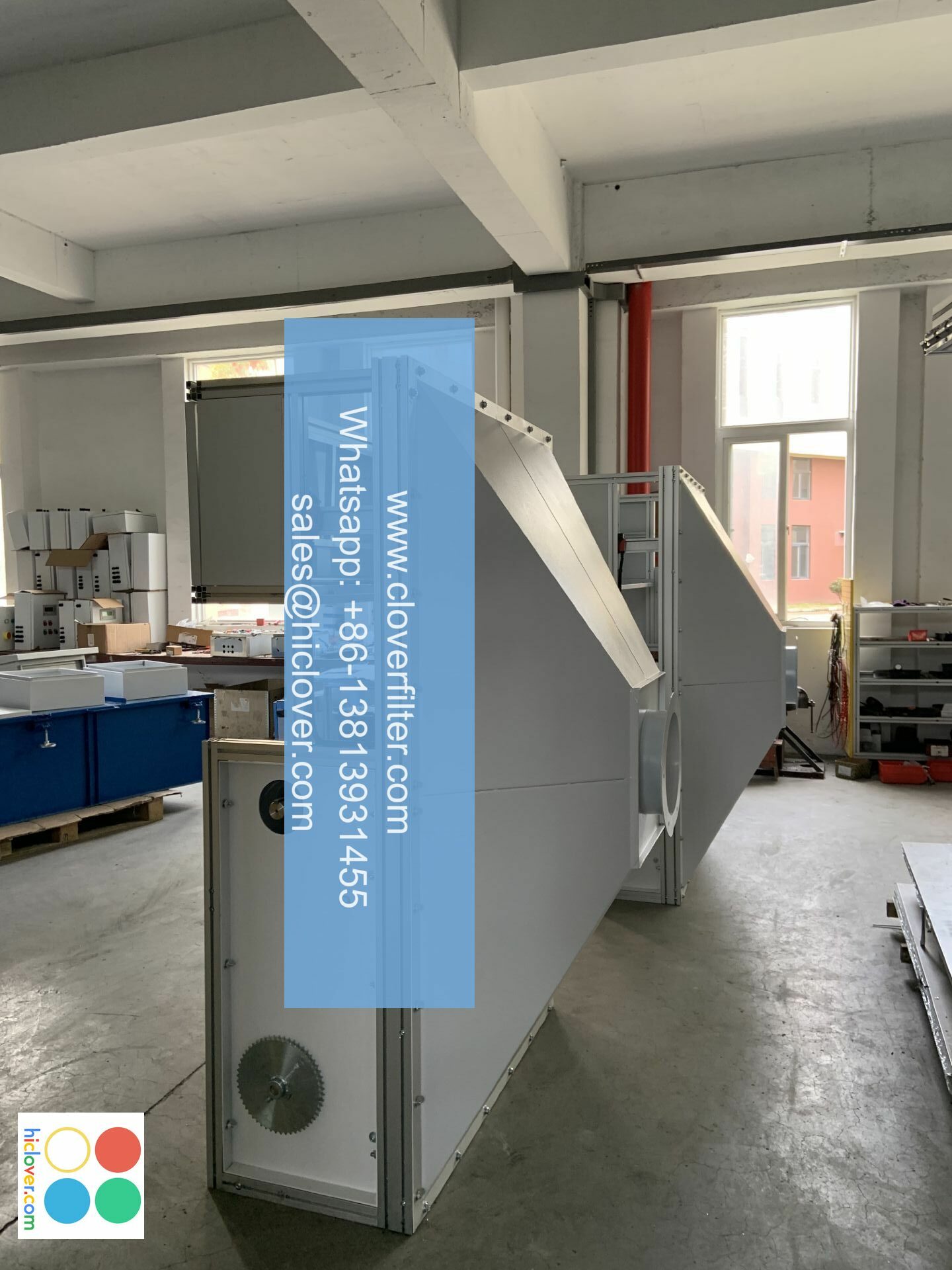
When it comes to healthcare environments, maintaining optimal air quality is essential for the safety and well-being of patients, particularly in high-risk areas such as intensive care units (ICUs), surgical theaters, and isolation wards. Among the various heating, ventilation, and air conditioning (HVAC) systems, roll HVAC has emerged as an innovative solution that caters specifically to the unique needs of these critical environments. This article evaluates the effectiveness of roll HVAC systems in high-risk patient areas, highlighting their application, benefits, and best practices.
What is Roll HVAC?

Roll HVAC systems are mobile heating and cooling units designed to provide temporary or supplemental climate control in specific areas of a facility. These systems are typically equipped with air filtration capabilities, enabling them to enhance air quality by removing airborne contaminants. Roll HVAC units can be easily transported, set up, and adjusted, making them an attractive option for hospitals and healthcare facilities looking to optimize air quality in high-risk patient areas.
Application Areas of Roll HVAC
1. Intensive Care Units (ICUs)
In ICUs, patients are often vulnerable due to severe health conditions that require constant monitoring and specialized care. Roll HVAC systems can be deployed to ensure that the air remains consistently temperate and filtered. These units help maintain strict humidity levels, reducing the possibility of mold growth and promoting a sterile environment.
2. Surgical Theaters
The surgical environment demands the highest level of air quality control. Roll HVAC systems can be utilized to create a positive pressure environment, preventing contaminants from entering the surgical area. They also enable rapid adjustments in temperature and humidity, which are critical during surgical procedures.

3. Isolation Wards
Isolation wards are designed to prevent the spread of airborne diseases. Roll HVAC systems equipped with high-efficiency particulate air (HEPA) filters can effectively remove pathogens from the air, significantly reducing the risk of infection transmission. Their mobility allows for flexible setup depending on the specific requirements of the ward.
Benefits of Roll HVAC in High-Risk Patient Areas
Energy Efficiency
One of the standout features of roll HVAC systems is their inherent energy efficiency. These units can operate independently of the building’s main HVAC system, allowing healthcare facilities to save on energy costs while maintaining precise climate control in targeted areas.
Flexibility and Mobility
Given their portable nature, roll HVAC systems can be quickly deployed wherever needed. Whether a hospital is undergoing a renovation or responding to an increase in patient volume, these units provide the flexibility to adjust to changing circumstances.
Enhanced Air Quality Management
Equipped with advanced filtration systems, roll HVAC units can significantly improve indoor air quality by removing allergens, bacteria, and viruses from the air. This enhanced air quality is particularly crucial in high-risk patient areas, where infections can lead to severe consequences.
Best Practices for Implementing Roll HVAC
Regular Maintenance
To ensure optimal performance, hospitals should establish a routine maintenance schedule for their roll HVAC systems. This includes cleaning or replacing filters, inspecting components, and ensuring the units are functioning within their designed parameters.
Training Staff
It’s essential to train healthcare staff on the operational aspects of roll HVAC systems. Understanding how to properly set up and operate these units can lead to better utilization and improved patient outcomes.
Monitoring Air Quality
Continuous monitoring of air quality parameters such as temperature, humidity, and particulate levels should be conducted in conjunction with roll HVAC deployment. This data allows healthcare providers to make informed decisions about adjustments needed for patient safety.
Conclusion
The evaluation of roll HVAC systems in high-risk patient areas demonstrates their potential to deliver significant benefits in terms of air quality, energy efficiency, and flexibility. As healthcare facilities increasingly prioritize patient safety and infection control, the application of roll HVAC technology will become a vital component of effective facility management. By understanding their unique benefits and implementing best practices, healthcare providers can enhance the environment for patients in some of the most critical areas of care.
It seems like your message is incomplete or missing context. Could you please provide more details or specify what kind of prompt you’re looking for? Whether it’s for writing, brainstorming ideas, or anything else, I’d be happy to help!
