Eco-Friendly Air Filter Assembly Techniques
Key Takeaways:
- Understanding air filter assembly optimizes performance and efficiency.
- Automatic Roll Air Filters are ideal for varying air quality needs.
- Proper selection enhances filtration effectiveness in diverse environments.
- Maintenance reduction achievable through advanced roll media technology.
- Compliance with industry standards ensures reliability and quality.
- Real-world scenarios illustrate practical applications across sectors.
-
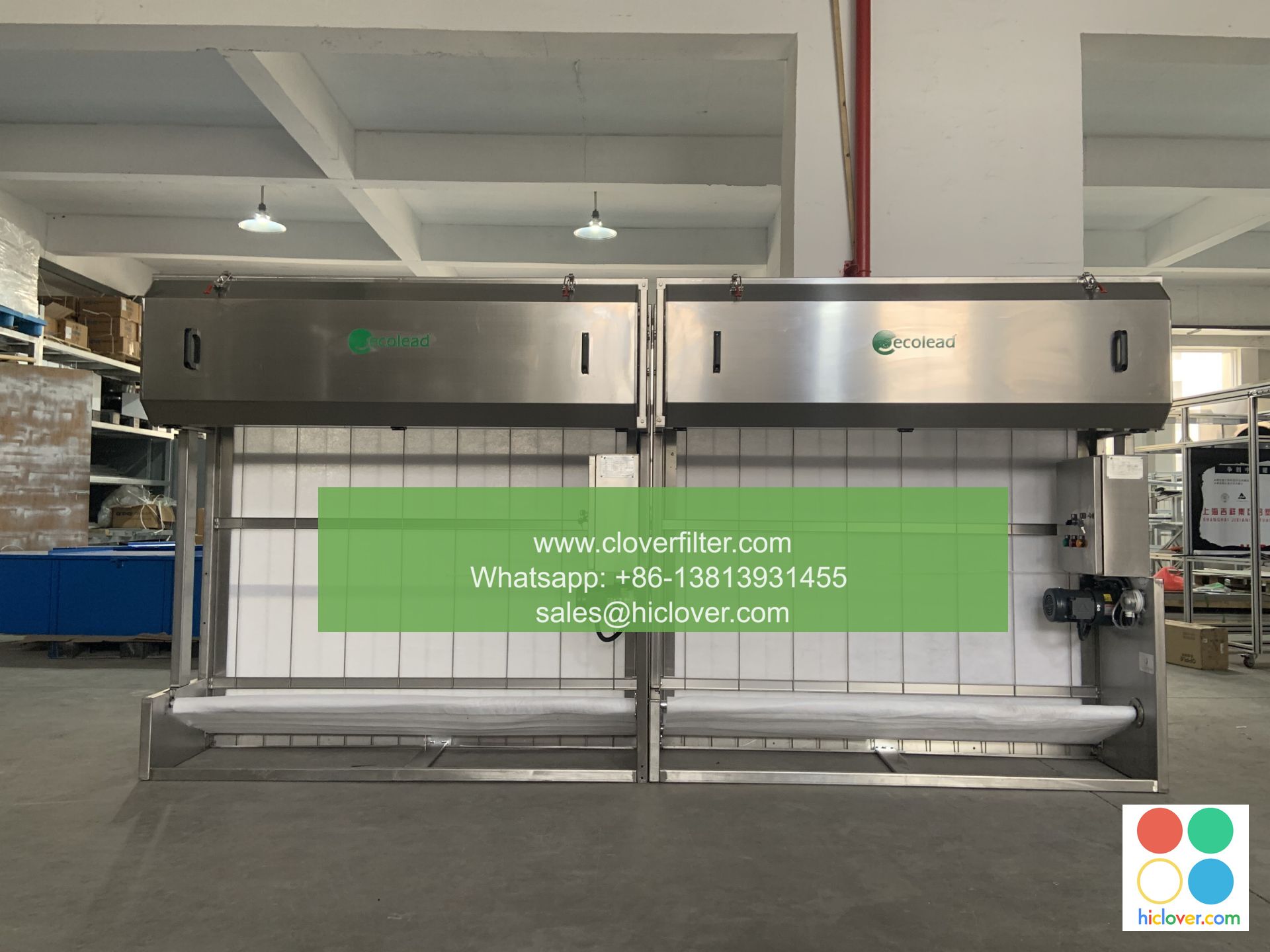
Roll Media Advance Logic: This system utilizes a roll of filter media that gradually advances as dirt and contaminants accumulate, ensuring a fresh surface area is consistently available for optimal filtration.
-
Differential Pressure Trigger: When the pressure differential across the filter reaches a predetermined threshold, the system activates and rolls out new media, effectively maintaining airflow without overloading the filter.
-
Timer Mode: This allows for scheduled operation based on experienced environmental demands, optimizing energy efficiency according to specific air quality needs.
- Airflow Range: Match the filter to your system’s airflow needs to ensure optimal performance.
- Face Velocity: Determine the appropriate face velocity based on the application to avoid turbulence and maintain effective filtration.
- Media Width/Length: Assess the installation space to select the correct dimensions for your filter.
- Frame Size: Ensure compatibility with your existing HVAC framework for easy installation.
- Control Options: Consider automation or manual controls based on system complexity and user preference.
- Power Supply: Ensure the selected filter matches your available power infrastructure.
- Installation Location: Identify whether the filter will be positioned in fresh air intake, return, or process air systems to enhance efficiency and effectiveness.
- Choosing the wrong media width or length can lead to installation issues. Measure your installation space accurately.
- Not considering face velocity can reduce filtration efficiency. Analyze airflow before making a selection.
- Overlooking differential pressure management can lead to increased costs due to energy waste. Monitor performance closely.
- Failing to adjust controls for varying conditions may lead to suboptimal filtration. Implement automation where feasible.
- Ignoring maintenance schedules can risk filter overload. Establish a regular maintenance plan.
- Neglecting compliance considerations may lead to operational risks. Familiarize yourself with ISO 16890 and MERV frameworks relevant to your industry.
- Not consulting with HVAC engineers can result in poor design choices. Collaborate with professionals during selection.
-
Data Center: An Automatic Roll Air Filter installed in a data center reduced operational costs by optimizing energy consumption through its low-pressure drop characteristics while maintaining stringent air quality standards.
-
Battery Factory: The advanced roll media technology helped the battery manufacturer maintain clean air intakes, essential for avoiding contamination in delicate production processes.
-
Paint Shop: In a paint booth, the filter improved particulate control significantly, reducing overspray as well as enhancing employee health and safety by capturing volatile organic compounds (VOCs).
-
Textile/Steel/Cement Plants: Here, implementing Automatic Roll Air Filters resulted in fewer interruptions due to clogged filters, thanks to their enhanced surface area and automatic media advancement.

Understanding Automatic Roll Air Filters
Automatic Roll Air Filters represent a significant advancement in air filter assembly technology designed to improve indoor air quality while reducing maintenance efforts. These filters utilize roll media that continuously advances as it captures particulate matter through a series of filtration stages. Triggered by differential pressure measurements and equipped with timer modes, these filters ensure consistent performance regardless of varying airflow rates.
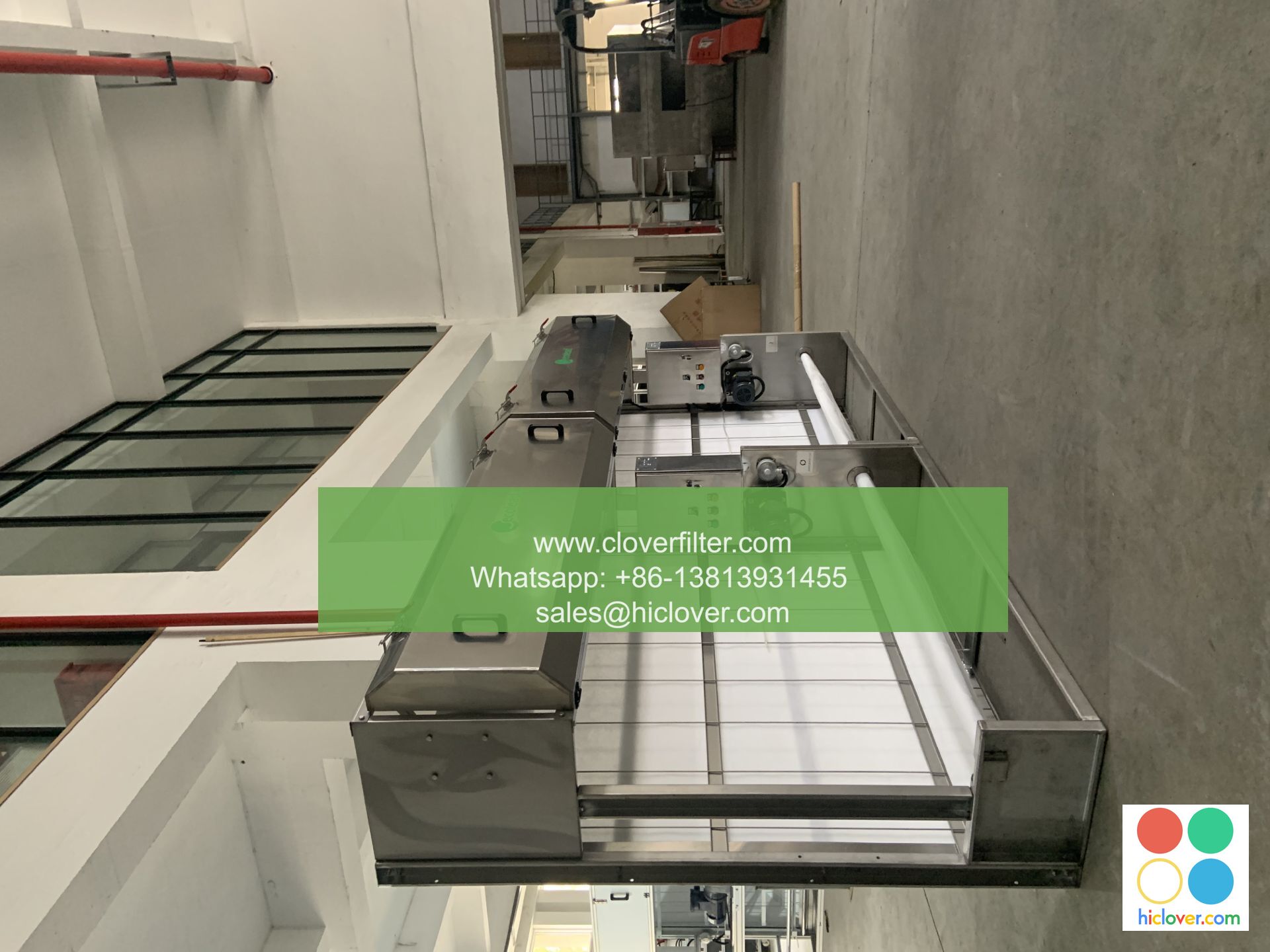
In HVAC systems, particularly Air Handling Units (AHUs), the Automatic Roll Air Filter serves as a crucial component in fresh air intake and make-up air systems. By maintaining lower pressure drops compared to traditional systems, the Automatic Roll Air Filter supports energy-saving initiatives and ensures cleaner air for sensitive environments such as data centers, cleanrooms, and hospitals.
How Automatic Roll Air Filters Work
The operation of the Automatic Roll Air Filter revolves around several key features:
Selection Guide for Air Filter Assembly
When selecting an Automatic Roll Air Filter, consider the following factors to choose the right fit for your specific requirements:
Comparison of Different Air Filter Types
| Filter Type | Best Use Case | Maintenance | Pressure Drop Behavior | Operating Cost | Typical Risk/Downside |
|---|---|---|---|---|---|
| Automatic Roll Air Filter | Varying air quality needs | Low; media roll is automated | Low to moderate | Higher initial, lower long-term | Requires installation expertise |
| Bag Filter | High dust loading areas | Moderate; periodic replacement | Moderate | Moderate | Space-occupying |
| Panel Filter | Small spaces & low-cost | High; frequent replacements | High | Low initial, high long-term | Limited lifespan |
| V-bank | High particulate control | Low; infrequent changes | Moderate | Moderate | Can be heavy and complex |
Common Mistakes & How to Avoid Them
Real-World Scenarios
FAQ Section
Q1: What is an Automatic Roll Air Filter?
A1: An Automatic Roll Air Filter is a type of air filter that uses roll media technology for continuous filtration while maintaining low operational costs.
Q2: How does the filter help in energy savings?
A2: Its design ensures lower pressure drops, which translates to reduced energy consumption for HVAC systems.
Q3: Where can these filters be used?
A3: They are suitable for data centers, cleanrooms, battery factories, paint booths, and various industrial applications.
Q4: What are the compliance standards for these filters?
A4: While specific certifications may be requested, factors like ISO 16890 and MERV standards serve as general industry benchmarks.
Q5: How does differential pressure affect the filter?
A5: Differential pressure triggers the media advancement that maintains effective airflow while preventing filter overload.
Q6: What are the maintenance needs?
A6: The automatic advance technology reduces maintenance frequency compared to traditional filters, focusing only on regular checks.
Conclusion
Choosing the right air filter assembly technique, especially with options like the Automatic Roll Air Filter from CloverFilter, can significantly impact air quality and operational efficiency. Whether you’re a procurement manager, HVAC engineer, or facility manager, understanding these eco-friendly air filter techniques will empower you to make informed decisions.
For more information or to explore our product offerings, please visit CloverFilter. For direct inquiries, don’t hesitate to contact us at CloverFilter Contact.
Meta Description: Explore eco-friendly air filter assembly techniques, including Automatic Roll Air Filters for improved air quality and efficiency in industrial HVAC systems.
Sure! What kind of prompt are you looking for? It could be for creative writing, an essay, a discussion topic, or something else entirely. Let me know your preference!
