Navigating the Complex World of Air Filter Regulations
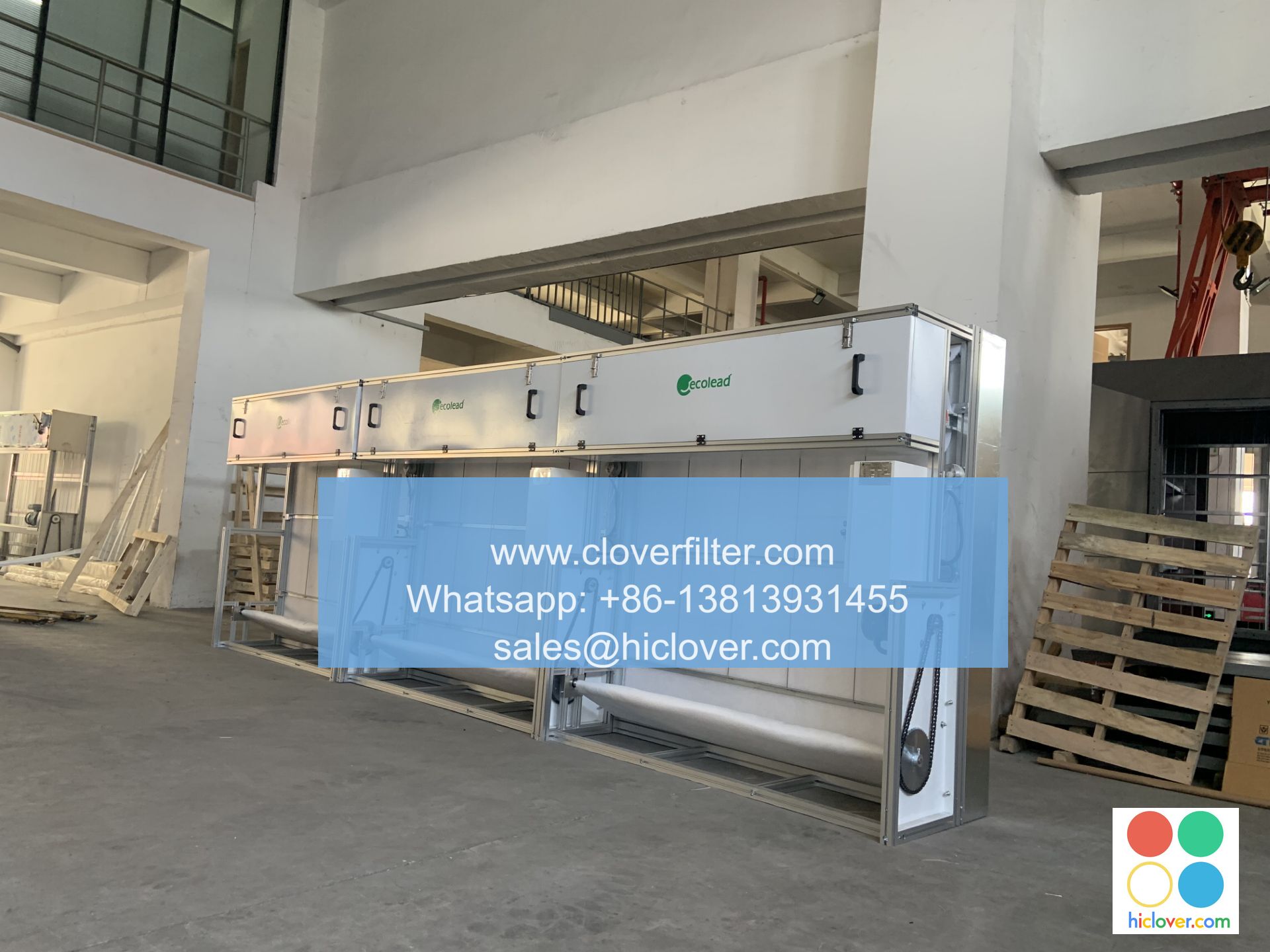
Key Takeaways
- Understanding air filter standards is crucial for compliance and operational efficiency.
- Automatic Roll Air Filters provide advanced performance with reduced maintenance.
- Proper sizing and selection of filters enhance airflow and reduce energy costs.
- Awareness of common mistakes during selection can prevent costly oversights.
- Familiarize yourself with industry standards like ISO 16890 and MERV for better decision-making.
- Fresh air intakes: Enhance incoming air quality for buildings or process systems.
- Return air systems: Filter recirculated air to maintain a healthy indoor environment.
- Process filtration: Operate alongside critical equipment where clean air is crucial.
- Airflow Range: Ensure it matches your system’s airflow requirements; typical ranges are from 2,000 CFM to over 20,000 CFM.
- Face Velocity: Ensure the velocity does not exceed 500 feet per minute (FPM) to maintain efficiency and minimize pressure drops.
- Media Width/Length: Applicable filters should suit the installation space and system size.
- Frame Size: Compatibility with existing AHU framework is essential, with options usually ranging from standard to custom dimensions.
- Control Options: Look for models with advanced control features, such as differential pressure monitoring and timer settings.
- Power Supply: Ensure the power supply configuration matches site electrical standards.
- Installation Location: Verify specific needs for fresh air intakes, return paths, or process air streams.
- Overlooking System Compatibility: Always ensure filters match the specifications of your HVAC system.
- Ignoring Airflow Needs: Choose filters based on actual airflow requirements—calculate based on system design.
- Neglecting Maintenance Protocols: Establish clear maintenance schedules to prevent inefficiencies.
- Choosing Filters Based on Price Alone: Analyze long-term costs, including energy savings and maintenance.
- Insufficiently Evaluating Replacement Cycle: Consider how often the filter needs to be changed based on your specific application.
- Forgetting About Performance Metrics: Always reference air filter standards when making purchasing decisions.
- Underestimating Differential Pressure: Monitor pressure changes continuously to avoid unnecessary strain on the system.
- Failing to Account for Environmental Factors: Customize filter choice based on surroundings, including humidity and temperature.
- Overcomplicating Control Systems: Select filters with user-friendly monitoring and control options for simplified operations.

Understanding Air Filter Standards
When purchasing air filtration solutions, compliance with air filter standards must be a top priority for procurement managers, HVAC engineers, and facility managers. Regulations can vary significantly based on the application, such as data centers, cleanrooms, or industrial environments. The ISO 16890 metric for particulate control and the MERV (Minimum Efficiency Reporting Value) concept provide frameworks for assessing filter efficiency and performance. Understanding these benchmarks helps in selecting air filters that meet your specific operational needs and contribute to a healthier indoor environment.
What is an Automatic Roll Air Filter?
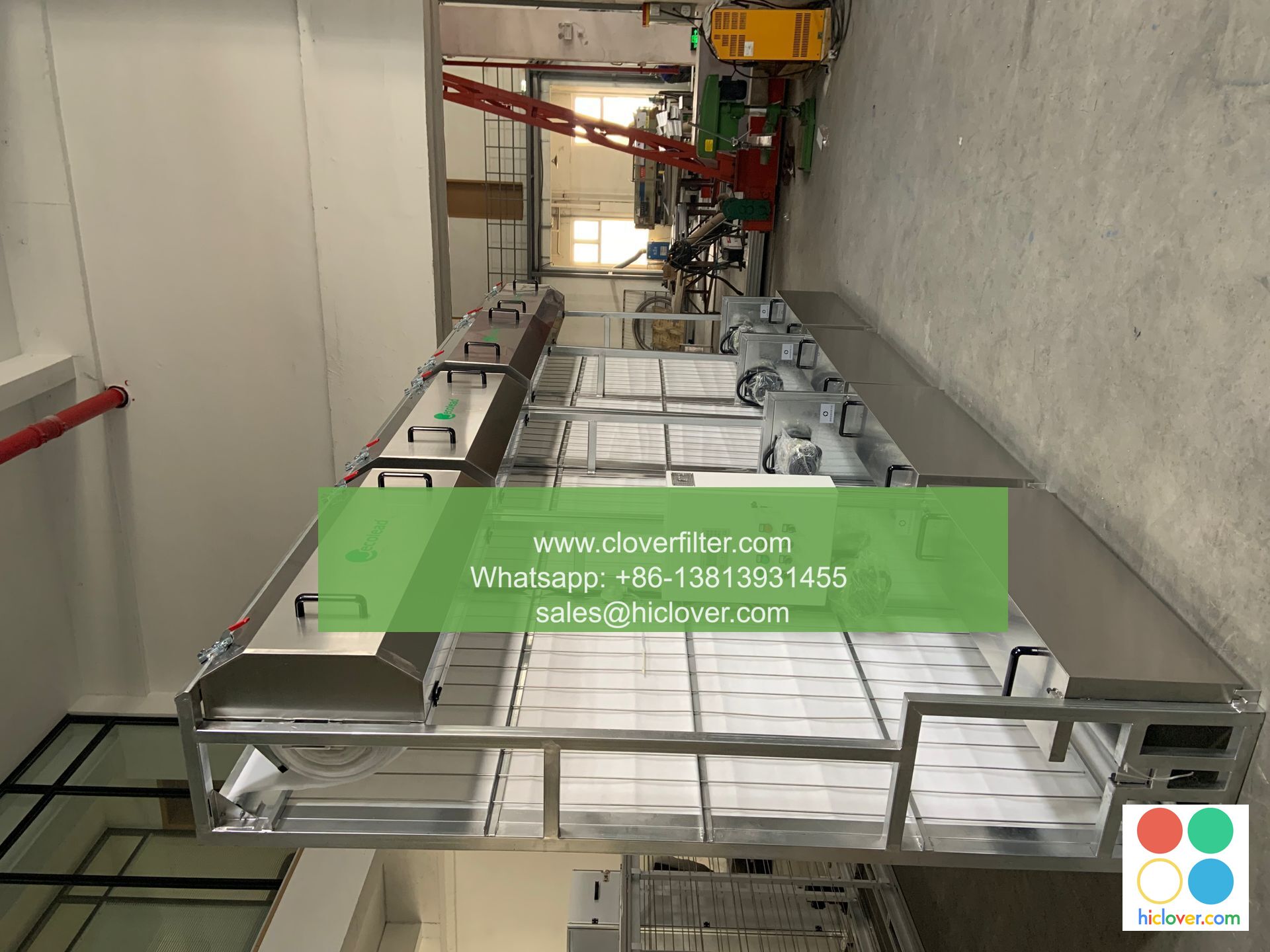
An Automatic Roll Air Filter is a sophisticated filtration solution designed to accommodate high air volumes while maintaining optimal particle capture efficiency. Its unique roll media advance logic allows for continuous usage; as the filter media becomes clogged with particles, the system automatically advances a new section of clean media into the airflow path. This functionality minimizes downtime, ensuring that your ventilation systems operate efficiently.
The filter uses a differential pressure trigger to monitor the pressure drop across the media. When the pressure exceeds predefined levels, the system engages the roll mechanism. The timer mode can also be programmed for scheduled replacements to further enhance maintenance reduction and efficiency.
Where to Use Automatic Roll Air Filters
Automatic Roll Air Filters fit seamlessly into various types of HVAC and AHU systems, ideal for applications where high airflow and air quality are imperative. These systems include:
Practical Selection Guide for Automatic Roll Air Filters
When selecting the right Automatic Roll Air Filter, consider the following parameters:
Comparison Table of Filter Types
| Filter Type | Best Use Case | Maintenance | Pressure Drop Behavior | Operating Cost | Typical Risk/Downside |
|---|---|---|---|---|---|
| Automatic Roll Filter | High airflow spaces | Low | Mildly stable | Higher initial, long-term savings | Higher upfront cost |
| Bag Filter | General industrial use | Moderate | Moderate | Moderate | Requires replacement based on age |
| Panel Filter | Residential & light use | High | High | Low initial | Frequent replacements needed |
| V-bank | Heavy particulate environments | Moderate | Moderate | Moderate | Can clog quickly without monitoring |
Common Mistakes & How to Avoid Them
Real-World Scenarios
1. Data Center:
In a large data center, maintaining optimal airflow and a clean environment is essential to ensure server longevity. The facility manager chose CloverFilter’s Automatic Roll Air Filter, allowing for minimal maintenance while preventing dust accumulation on sensitive equipment. With a configuration suited for high CFM rates and low pressure drops, the center achieved energy savings and reliable air quality.
2. Lithium Battery Factory:
A lithium battery factory faces stringent air quality control requirements to prevent contamination. By integrating an Automatic Roll Air Filter in their intake system, they maintained clean air while accommodating massive airflows. The automated media advancement reduced pressure drop and decreased downtime, essential for maintaining production schedules.
3. Paint Shop:
In a paint booth, controlling airborne particles is critical for product quality. The facility selected CloverFilter’s Automatic Roll Air Filter due to its efficient particulate control and minimal maintenance needs. The filter ensured a cleaner workspace while optimizing airflow to match the booth’s specifications.
4. Textile/Cement Plant:
In a textile and cement plant, dust and particulate matter pose severe challenges. The facility integrated an Automatic Roll Air Filter to manage these issues. This solution reduced maintenance frequency and supported compliance with environmental regulations by maintaining a clean air environment, boosting overall productivity.
Conclusion
Navigating the complex world of air filter regulations is essential for effective air quality management in various facilities. The Automatic Roll Air Filter by CloverFilter offers a robust solution that not only aligns with industry air filter standards but also promotes maintenance reduction and operational efficiency. By understanding the practical aspects of filter selection and monitoring compliance with recognized guidelines, facility managers can optimize their air filtration systems.
For personalized guidance and to explore CloverFilter’s range of solutions, reach out at CloverFilter.
Meta Description: Discover essential air filter standards and how CloverFilter’s Automatic Roll Air Filter meets industry compliance for better air quality management.
For more information on air filtration solutions tailored for your needs, contact CloverFilter today at CloverFilter.
It seems like you may have intended to provide something specific with “Prompt.” Could you please clarify or provide more details about what you’re looking for? Whether it’s a writing prompt, a question, or another topic, I’m here to help!
