Protecting Health and Safety: Automatic Roll Filters for Marine Fuel Operations
Introduction
In the maritime industry, ensuring safe and efficient fuel operations is paramount. Automatic roll filters have emerged as a critical technology for protecting the health and safety of workers, vessels, and the surrounding environment. These systems play a vital role in filtering out contaminants and improving fuel quality, thereby enhancing operational efficiency.

The Importance of Fuel Quality
Fuel quality directly impacts vessel performance, environmental compliance, and the health of onboard personnel. In marine fuel operations, impurities such as sediments, water, and microbial growth can lead to serious consequences, including engine damage and fuel delivery failures. Automatic roll filters help mitigate these risks by ensuring that only clean fuel is utilized across various applications.
How Automatic Roll Filters Work
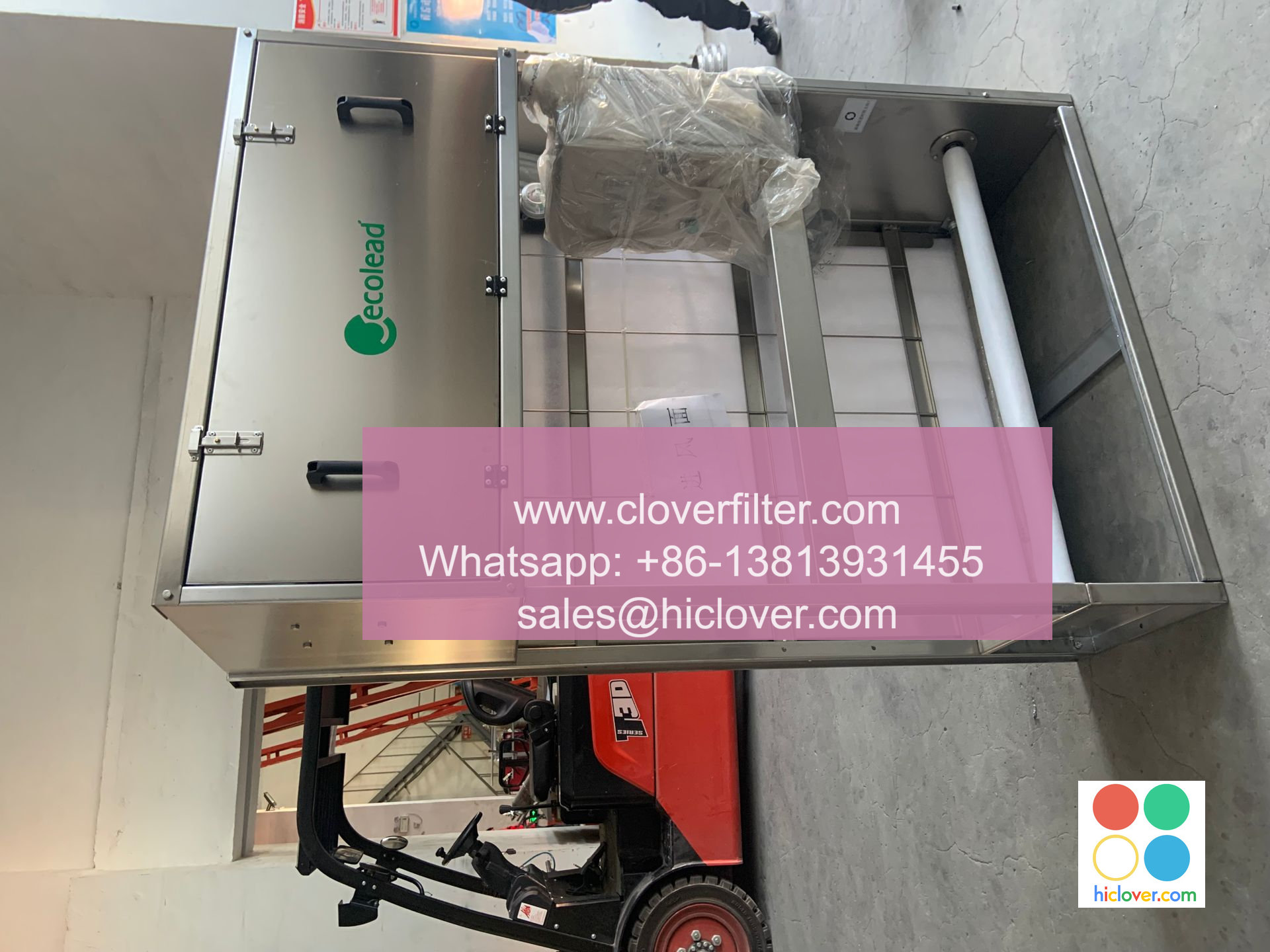
Automatic roll filters employ a continuous filtration process. As fuel flows through the filter, contaminants are captured on the filter media, while clean fuel passes through to be utilized by the engine. The automated mechanism allows for self-cleaning, which reduces downtime and minimizes manual intervention. This is crucial in environments where safety and operational efficiency are of utmost concern.
Application Areas for Automatic Roll Filters
Automatic roll filters are versatile and find application in several critical areas within marine fuel operations:

1. Fuel Storage Facilities
In fuel storage, maintaining purity is essential to prevent contamination that can arise from atmospheric exposure. Automatic roll filters ensure that only clean fuel is transferred to vessels.
2. Bunker Fuel Operations
During bunker operations, fuel is transferred from shore to ship. Automatic roll filters eliminate the risk of introducing contaminants during this process, safeguarding both the vessel’s engines and adhering to international safety standards.
3. Emergency Power Generators
Automatic roll filters protect emergency power systems on vessels by ensuring that the fuel supply remains free from impurities, which is crucial for reliability during critical situations.
4. Auxiliary Engines
Auxiliary engines, responsible for various onboard operations, depend on high-quality fuel. Automatic roll filters enhance the overall system performance by contributing to the purity of fuel used in these engines.
Benefits of Implementing Automatic Roll Filters
The integration of automatic roll filters in marine fuel operations comes with numerous advantages:
- Enhanced Safety: Reduces contamination risks that can lead to accidents.
- Improved Diesel Quality: Ensures a steady supply of clean fuel, which enhances engine performance.
- Operational Efficiency: Minimizes downtime with self-cleaning features, allowing for continuous operation.
- Regulatory Compliance: Supports adherence to environmental regulations by preventing the discharge of contaminated fuel.
Conclusion
In conclusion, the implementation of automatic roll filters in marine fuel operations is a significant step towards protecting health and safety. By improving fuel quality and reducing contamination risks, these systems not only enhance operational efficiency but also ensure compliance with safety regulations. As the industry continues to emphasize sustainability and security, adopting such advanced technologies will be crucial in shaping the future of maritime operations.
It seems you entered “Prompt.” How can I assist you today? Are you looking for writing prompts, questions, or something else? Let me know!
