Air Filter Maintenance 101: How to Extend the Life of Your Filters
Key Takeaways
- Regular maintenance is vital for air filter longevity.
- Understanding different air filter types aids in selecting the right filter.
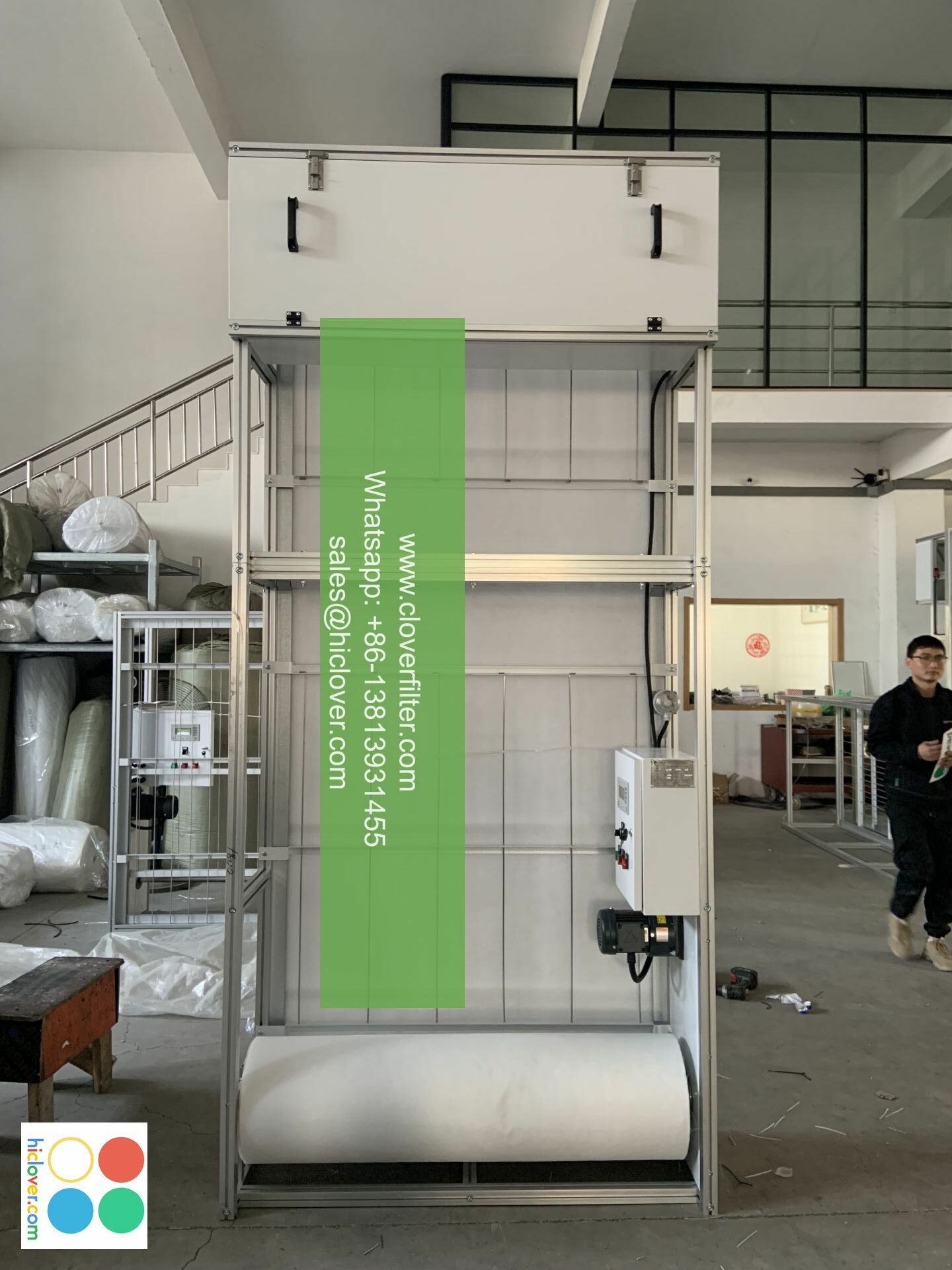
- An Automatic Roll Air Filter seamlessly integrates into HVAC systems for advanced air quality management.
- Maintenance reduction strategies can lead to significant energy savings.
- Monitoring differential pressure helps in scheduling timely filter replacements.
- Compliance with industry standards like ISO 16890 enhances reliability.
- Proper installation locations should be considered for optimal performance.
- Airflow Range: Match the filter to the required airflow specifications of your HVAC system.
- Face Velocity: Ensure that the selected filter’s face velocity aligns with manufacturers’ recommendations to maintain efficiency.
- Media Width/Length: Specify the correct dimensions for installation compatibility.
- Frame Size: The frame should fit seamlessly into the existing filter housing.
- Control Options: Evaluate the control mechanisms to ensure they fit your system’s requirements.
- Power Supply: Determine if the filter’s operations align with available power options.
- Installation Location: Ensure the proper placement at fresh air intake, return air, or in-process areas, depending on specific needs.
- Ignoring Filter Type Selection: Always choose the appropriate air filter type for specific applications.
- Neglecting Maintenance Schedule: Set regular intervals for filter checks and changes to prevent system overload.
- Wrong Filter Orientation: Ensure proper installation direction to maintain airflow efficiency.
- Overlooking Pressure Monitoring: Regularly check differential pressure to schedule proactive maintenance.
- Using Mismatched Sizes: Ensure the filter fits perfectly within its designated frame.
- Failing to Consider Environment: Assess environmental factors that may impact filter lifespan, such as humidity or particulate levels.
- Inadequate Training for Staff: Educate facility managers and operators about the importance of air filter maintenance and selection.
- Ignoring Signs of Efficiency Loss: Watch for decreased airflow or unusual sounds in the HVAC system as indicators of potential filter failure.
-
Data Center: In a high-performance data center, the Automatic Roll Air Filter was implemented to manage particulate levels efficiently. Monitoring the differential pressure allowed for scheduled filter replacements, preventing downtime and ensuring optimal equipment operation.
-
Battery Factory: A lithium battery plant adopted this kind of filter to control contaminants. The automatic roller mechanism reduced labor-intensive maintenance, leading to lower operational costs and improved air quality compliance.
-
Paint Shop: In a paint finishing area, Operators installed an Automatic Roll Air Filter to mitigate overspray particles effectively. By integrating a filter maintenance schedule based on differential pressure readings, they ensured a clean environment while saving on maintenance costs.
-
Textile/Steel/Cement Plant: A manufacturing facility utilized the Automatic Roll Air Filter to combat the high levels of particulate generated during production. The result was a visible reduction in air quality complaints and a streamlined maintenance workload, contributing to better compliance with industry standards.
Understanding Air Filter Types
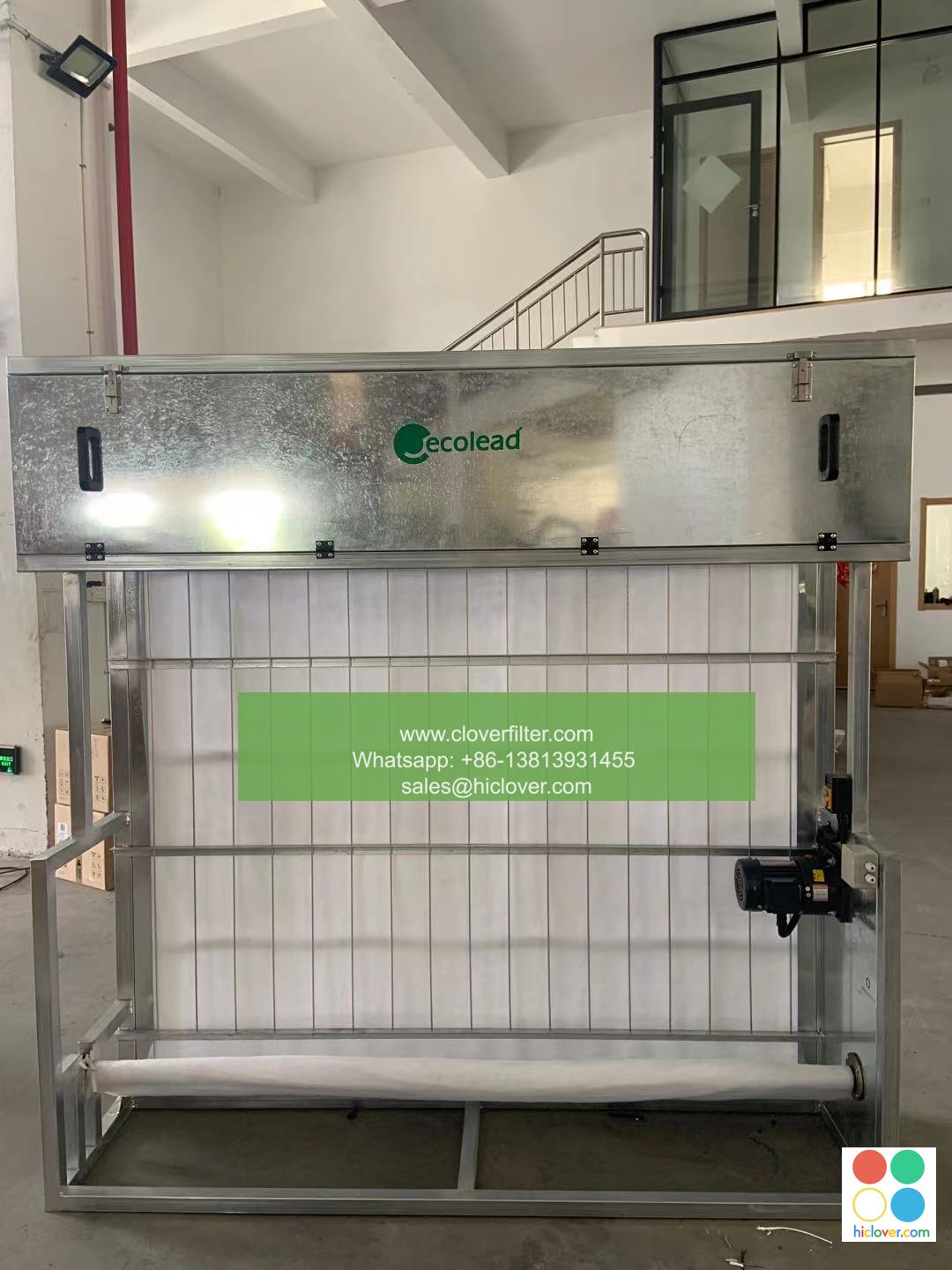
In industrial settings, there are various air filter types tailored for specific applications. Each type, including pleated filters, bag filters, and the increasingly popular Automatic Roll Air Filter, has unique characteristics that influence their performance and maintenance needs. Selecting the right air filter type ensures optimal air quality and operational efficiency in facilities like cleanrooms, data centers, and manufacturing plants.

What is an Automatic Roll Air Filter?
An Automatic Roll Air Filter is a sophisticated air filtration solution designed to streamline maintenance processes while maintaining high air quality standards. The filter functions through a roll media advance logic, which automatically dispenses fresh media as needed. This feature minimizes manual labor and enhances efficiency. A differential pressure trigger alerts users when the filter reaches its optimal loading capacity, ensuring timely maintenance and preventing airflow issues. It can also operate in timer mode, allowing facilities to configure automatic filter departures based on usage patterns. This versatility makes it ideal for HVAC and Air Handling Unit (AHU) systems, particularly in environments that demand stringent particulate control.
How to Select the Right Filter
When choosing an air filter, consider the following factors to ensure optimal performance:
Utilizing an Automatic Roll Air Filter from CloverFilter can significantly enhance your operational strategies, ensuring you have the right size and type installed effectively.
Comparing Air Filter Types
| Filter Type | Best Use Case | Maintenance | Pressure Drop Behavior | Operating Cost | Typical Risk/Downside |
|---|---|---|---|---|---|
| Automatic Roll Filter | High-efficiency environments | Automatic, lower frequency | Low | Medium to High | Initial investment cost |
| Bag Filter | General industrial applications | Moderate frequency | Moderate | Low to Medium | Space limitations |
| Panel Filter | Standard commercial HVAC | High frequency | High | Low | Frequent changes required |
| V-bank Filter | Large facilities needing high capacity | Moderate frequency | Variable | Medium | Complexity in design |
Common Mistakes & How to Avoid Them
Real-World Scenarios
Frequently Asked Questions (FAQs)
1. What is an Automatic Roll Air Filter?
An Automatic Roll Air Filter is a type of filtration system that uses roll media for efficient and automated maintenance, designed to fit seamlessly within HVAC systems.
2. How does air filter maintenance affect operational costs?
Regular maintenance can reduce energy consumption and prevent systems from overworking, thus lowering overall operational costs.
3. Why is differential pressure monitoring important?
Monitoring differential pressure helps to determine the optimal time for filter changes, preventing airflow restrictions.
4. Are there specific air filter types for particular industries?
Yes, different industries often require specific air filter types tailored to meet their unique air quality demands.
5. Can I install an Automatic Roll Air Filter myself?
While installation may be feasible for some, it’s often best to consult with professionals to ensure optimal performance and compliance.
6. How do I know when to replace my air filters?
Regular monitoring of differential pressure and adhering to manufacturer recommendations will help gauge when replacements are necessary.
In conclusion, maintaining the integrity of your air filters is vital to ensuring operational efficiency in industrial settings. By choosing the right air filter types, such as the Automatic Roll Air Filter from CloverFilter, and following a consistent maintenance routine, facility managers can optimize their HVAC systems, reduce operational costs, and ensure compliance with industry standards. For personalized solutions and support, reach out to CloverFilter through their contact page.
Meta Description: Discover how to extend the life of your air filters with essential maintenance tips, focusing on Automatic Roll Air Filters from CloverFilter.
It seems you’ve entered “Prompt,” but I need a bit more information to assist you! Are you looking for writing prompts, a prompt for a specific task, or something else? Please provide more details.
