The Benefits of Low-Maintenance Automatic Roll Air Filters for Coca-Cola Packaging Plants
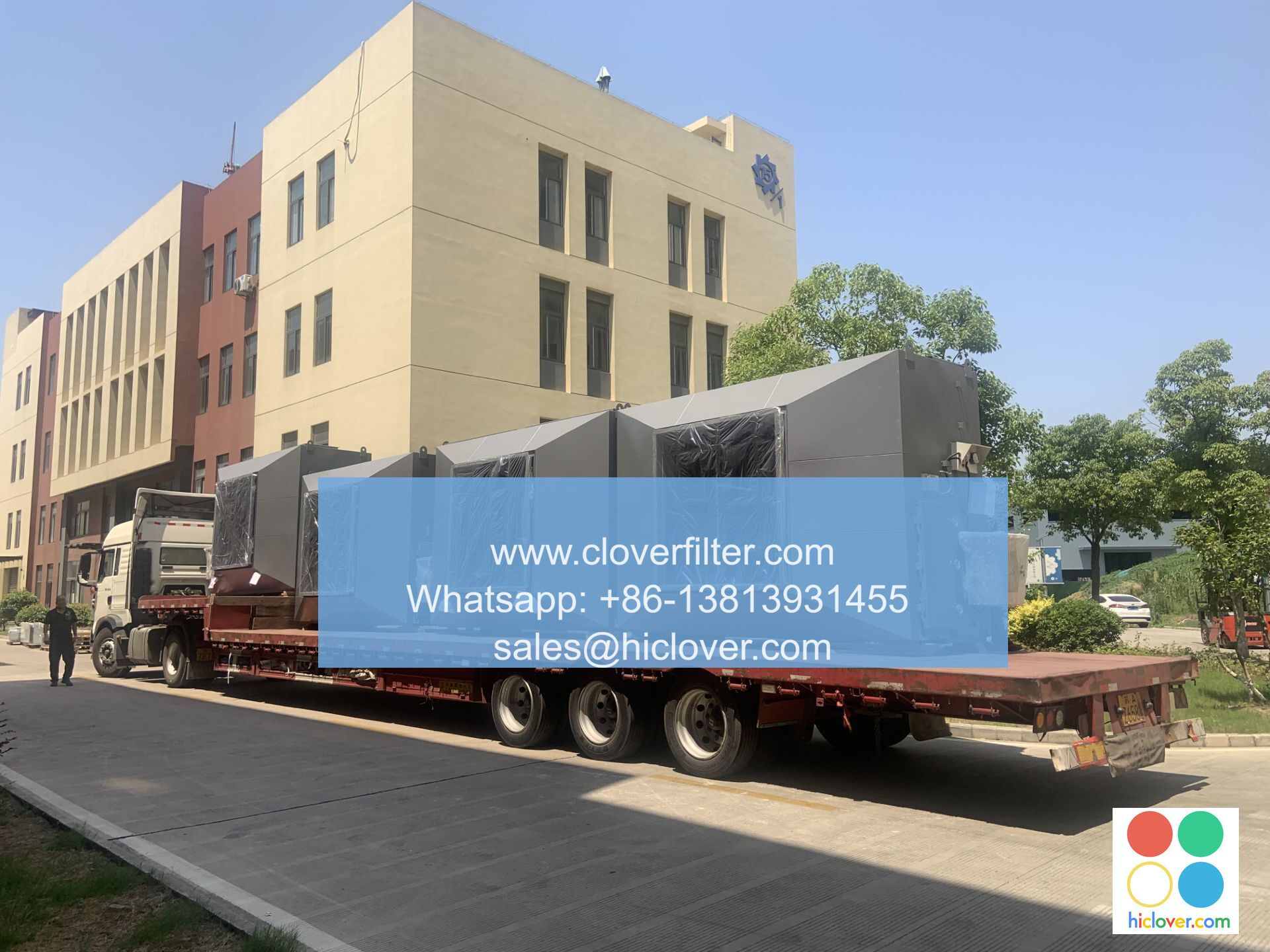
In today’s fast-paced manufacturing sector, efficiency and quality are paramount, especially for renowned brands like Coca-Cola. The packaging of beverages relies heavily on maintaining optimal air quality, which is where low-maintenance automatic roll air filters come into play. These innovative filtration solutions offer numerous advantages that can greatly enhance the operational efficiency of Coca-Cola packaging plants.
Understanding Low-Maintenance Automatic Roll Air Filters
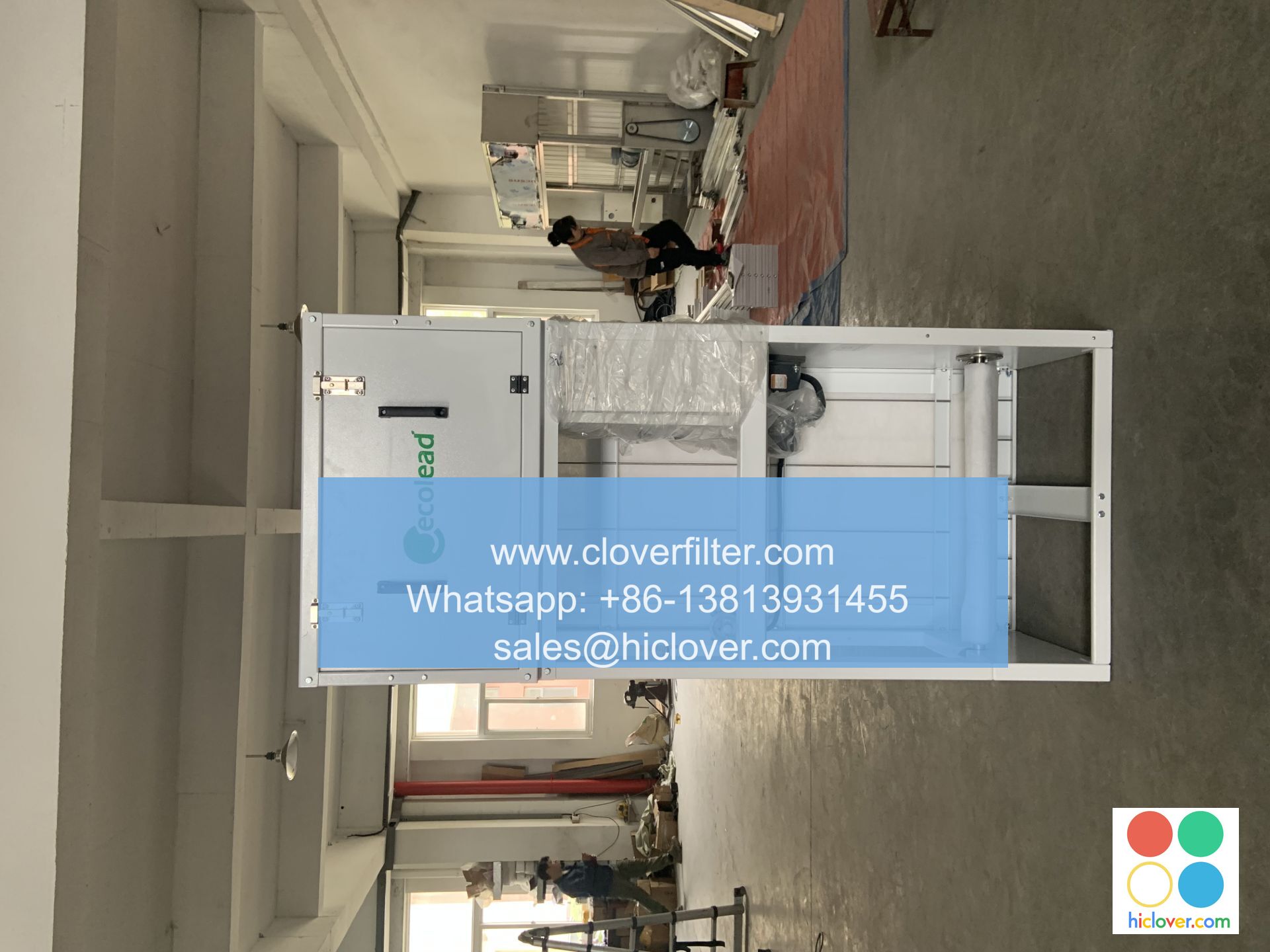
Low-maintenance automatic roll air filters are designed to automatically clean themselves, ensuring a continuous flow of clean air without the need for frequent manual intervention. This feature is particularly beneficial in environments where air quality directly impacts product quality and employee health.
Key Benefits for Coca-Cola Packaging Plants
1. Enhanced Air Quality and Safety
One of the primary benefits of using low-maintenance automatic roll air filters is the improved air quality they provide. In packaging plants where thousands of bottles and cans are filled daily, maintaining a dust-free environment is critical. These filters effectively capture airborne particles, allergens, and contaminants, reducing the risk of product contamination, and ensuring safety for employees.
2. Reduced Maintenance Costs
Unlike traditional air filtration systems that require frequent replacement and manual cleaning, automatic roll air filters have a self-cleaning mechanism that minimizes the need for routine maintenance. This translates to lower operating costs for Coca-Cola packaging plants, freeing up resources for other essential areas of production.
3. Increased Operational Efficiency
Low-maintenance filters contribute to a more efficient workflow by ensuring consistent airflow and optimal filtration levels. This stability in air quality reduces the chances of equipment malfunction and ensures that packaging machinery operates at peak performance. As a result, Coca-Cola can maintain high production rates and meet demand effectively.
4. Environmentally Friendly Choice
Sustainability is a growing concern within the manufacturing sector. Low-maintenance automatic roll air filters often have a longer lifespan than conventional filters, leading to less waste and lower environmental impact. Coca-Cola packaging plants that adopt these technologies can showcase their commitment to sustainability, which resonates with environmentally conscious consumers.
Application Areas Within Coca-Cola Packaging Plants
1. Beverage Filling Lines
In the beverage filling area, low-maintenance automatic roll air filters ensure that the air circulating in the environment is clean and free from harmful particles. This is crucial when filling bottles and cans as any contamination can spoil the product and lead to recalls.
2. Labeling and Packaging Stations
The labeling area requires a pristine environment to avoid any adhesive issues or label misplacement. Maintaining air quality through effective filtration enhances this process, minimizing errors and ensuring a smooth operation.
3. Storage and Shipping Facilities
In the storage and shipping areas, automatic roll air filters play a vital role in preventing dust accumulation on packaging materials and finished products. This not only preserves the visual appeal of the products but also reduces the risk of spoilage or damage during transport.
4. Quality Control Laboratories
Quality control labs are critical in assessing the safety and quality of beverages. Low-maintenance air filters help maintain sterile conditions in these areas, enabling accurate testing and ensuring that only safe, high-quality products reach consumers.
Conclusion
Incorporating low-maintenance automatic roll air filters in Coca-Cola packaging plants presents numerous benefits—from enhanced air quality and reduced maintenance costs to improved operational efficiency and eco-friendliness. As Coca-Cola continues to strive for innovation and excellence, adopting these advanced filtration technologies will undoubtedly contribute to its reputation for quality and reliability in the beverage industry. Investing in low-maintenance solutions is not just a trend but a strategic move that aligns with future manufacturing standards.
